

Destination Wedding Invitation Wording for Travelers
Disclosure: Some of the links in this post are affiliate links. This means if you click on the link and purchase an item, I will receive an affiliate commission at no extra cost to you.
Planning a destination wedding means your invitation carries more weight than a pretty card.
Your destination wedding invitation wording should spark excitement while helping guests picture the journey ahead.
A great invitation can make guests feel welcomed before they ever reach the airport. It can introduce your destination, establish the celebration’s mood, and point guests toward practical travel details. Here is your guide to Destination Wedding Invitation Wording for Travelers, with ideas that feel warm, clear, and genuinely yours.
Read Also: The Biggest Destination Wedding Planning Mistakes
Destination Wedding Invitation Wording for Travelers
Start With A Warm Invitation
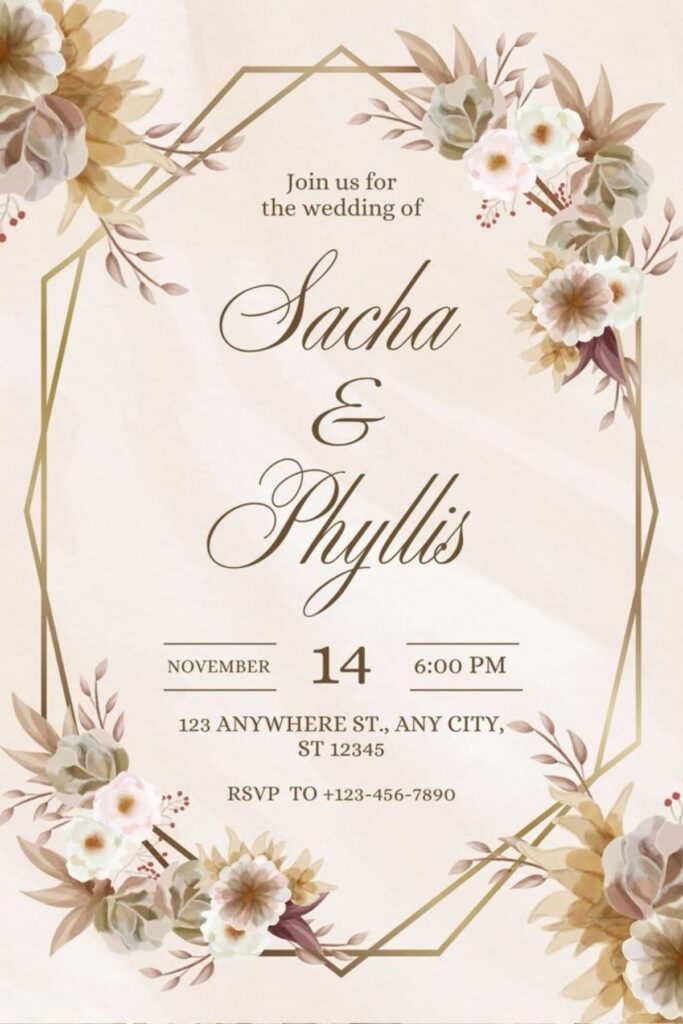
The opening line should immediately make guests feel wanted, rather than simply informed.
Remember, these people may spend vacation days, money, and precious time traveling for you.
A cold announcement can feel transactional, while a warm invitation creates emotional connection from the beginning.
Try phrases such as, “Join us for a beautiful weekend in Charleston.”
You could also write, “Come celebrate our marriage beneath the Tuscan sun with everyone we love.”
For something playful, consider, “Pack your bags because we’re getting married by the sea.”
The best destination wedding invitation wording makes the invitation feel personal without becoming overly sentimental. Your guests should quickly understand that their presence matters to you.
That small emotional touch can make a big difference when someone is deciding whether to travel.
Think about how you would invite your favorite cousin over for dinner. You would probably sound warm, excited, and specific instead of stiff and overly formal.
Bring that same energy to your invitation while keeping the essential wedding information easy to locate.
Next Post: 10 Mistakes Couples Make When Planning Their Honeymoon
Make The Destination Part Of The Story

Your destination should feel like part of the celebration instead of a random address at the bottom. If you’re marrying beside the ocean, let the wording hint at salty breezes and golden sunsets.
If you’re choosing a mountain town, mention the scenery without turning your invitation into travel advertising.
For example, you might write, “Meet us among the palms as we begin our forever in Maui.”
A vineyard wedding could say, “Join us among the rolling vineyards of Napa Valley for our wedding celebration.”
A city celebration might read, “Meet us in New Orleans for music, laughter, and our wedding weekend.”
This approach gives guests an emotional picture before they start researching flights. It also helps your invitation match the personality of your destination.
A beach wedding can sound relaxed, while a European celebration can feel romantic and refined.
Keep the description brief because the invitation still needs room for practical information.
Recommended Post: The Ultimate Guide to Planning a Destination Wedding
Include The Exact Wedding Location
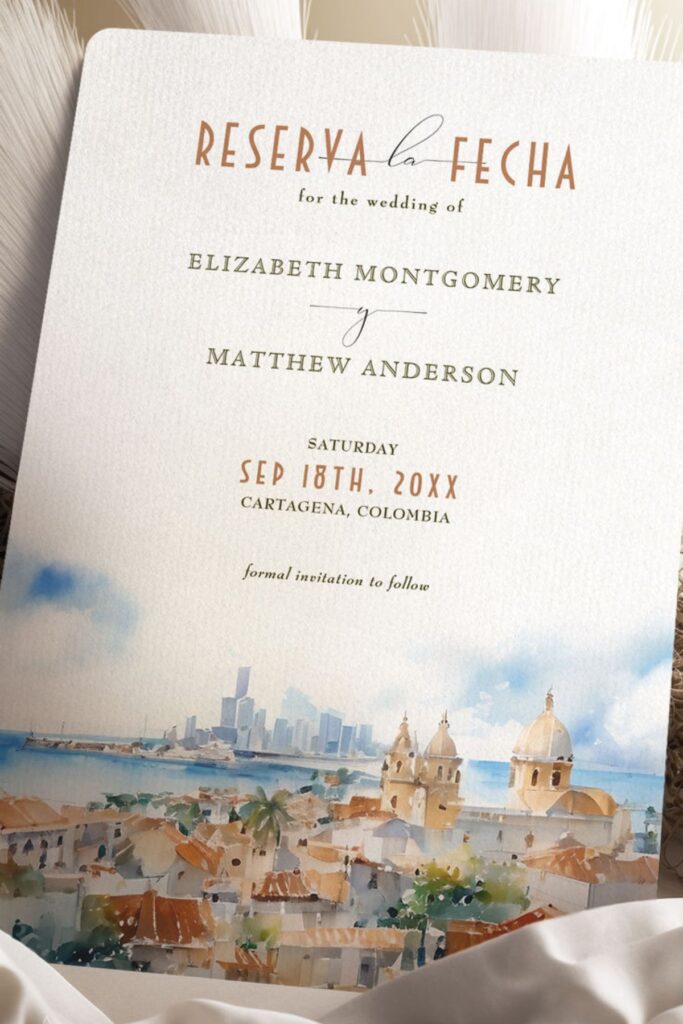
A destination wedding requires more location information than simply naming a country. Guests need the venue name, city, state, or country, plus the ceremony date and time.
This information becomes especially important when several venues share similar names.
For example, “The Sunset Resort” does not tell guests enough if several hotels use that name. Instead, write the complete venue name followed by the city and state or country.
For international celebrations, including the country can prevent confusion during travel planning.
Your destination wedding invitation wording should make the actual wedding location impossible to misunderstand.
Guests should not need to open Google Maps before realizing where the ceremony takes place.
Save those detective skills for finding the best local taco stand.
If your ceremony and reception happen at different locations, say so clearly. You can include the second venue on a details card or wedding website.
A simple phrase such as “Reception immediately following at The Harbor House” works beautifully.
Clear location information also helps guests compare hotels and transportation options. That makes planning easier for everyone, especially guests traveling from different states or countries.
See Also: The Wrong Wedding Dress Could Ruin Your Beach Wedding—Here’s Why
Mention The Wedding Weekend
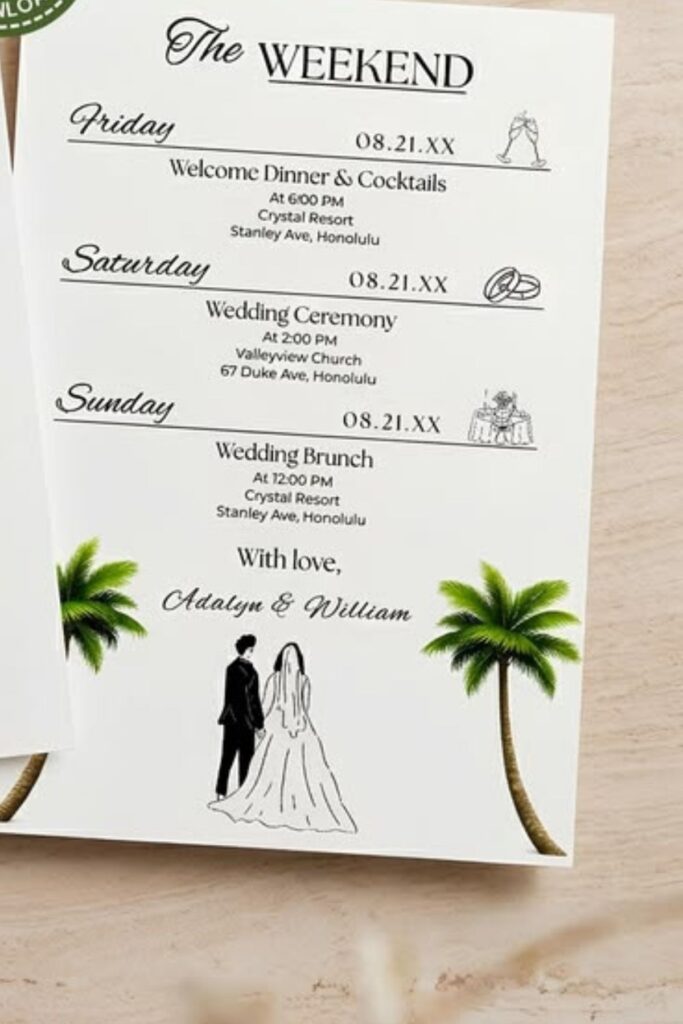
Many destination weddings involve more than one celebration, so your invitation can introduce the full weekend.
Guests may attend a welcome dinner, ceremony, reception, brunch, or casual farewell gathering.
Giving them a glimpse of those plans can make the trip feel more worthwhile.
You might write, “Join us for a weekend of celebration, beginning Friday evening with cocktails.”
Another option could say, “Our wedding weekend begins Friday and continues through Sunday morning.”
Then direct guests to your wedding website for the complete schedule.
Keep the main invitation focused because every event does not need a paragraph. Your guests need enough information to understand the general plan before they book travel.
The detailed itinerary can live online, where you can update it without reprinting invitations.
This approach also gives your destination wedding invitation wording a relaxed rhythm. Instead of listing every meal and activity, you create anticipation for the entire experience.
Guests can then explore the finer details once they confirm their attendance.
Find Out: The Best Fabrics for Tropical Weddings
Explain Travel Details Without Overloading The Invitation
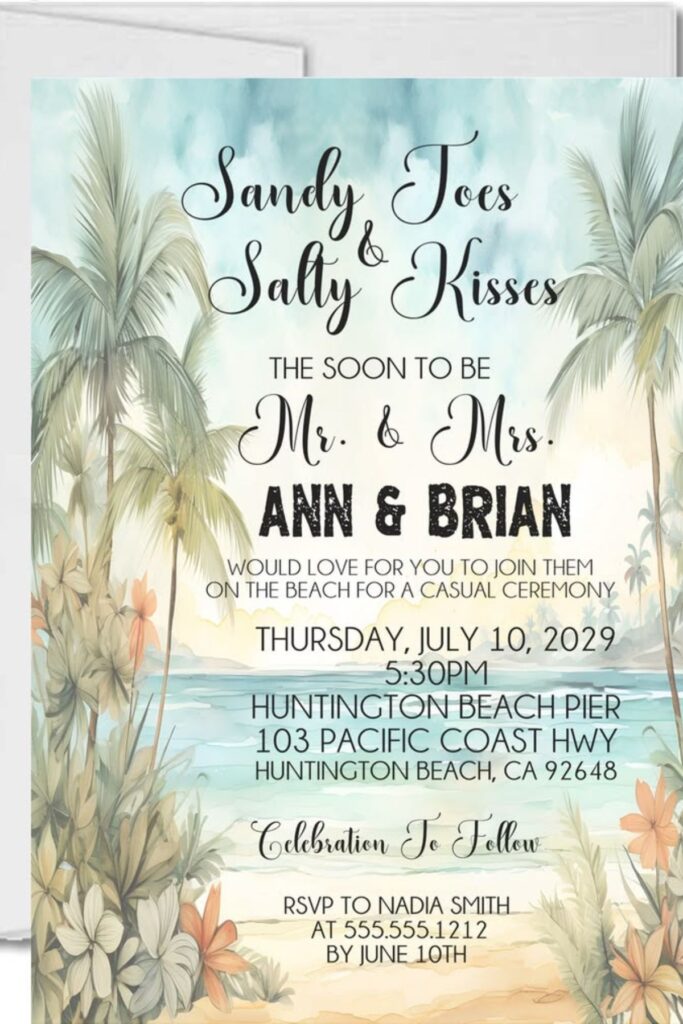
Travel information matters, but your invitation should not resemble an airline’s terms and conditions.
Give guests the basics, then direct them somewhere convenient for everything else.
Your wedding website can hold hotel recommendations, airport information, transportation details, and local suggestions.
For example, your invitation might say, “Travel and accommodation information is available at our wedding website.”
You could also add, “Visit our website for hotel blocks, airport transportation, and weekend details.”
That single sentence can save considerable space while giving guests a clear next step.
Your destination wedding invitation wording should also tell guests if transportation is provided.
A simple note such as “Shuttle service will run between the hotel and venue” answers an important question. If guests need rental cars, mention that information on the website instead.
Remember that travelers appreciate specifics, especially when they are visiting an unfamiliar destination.
They want to know where they should stay, how they will reach the venue, and what happens afterward.
Discover: The Biggest Guest Complaints About Destination Weddings
Share Accommodation Information Clearly
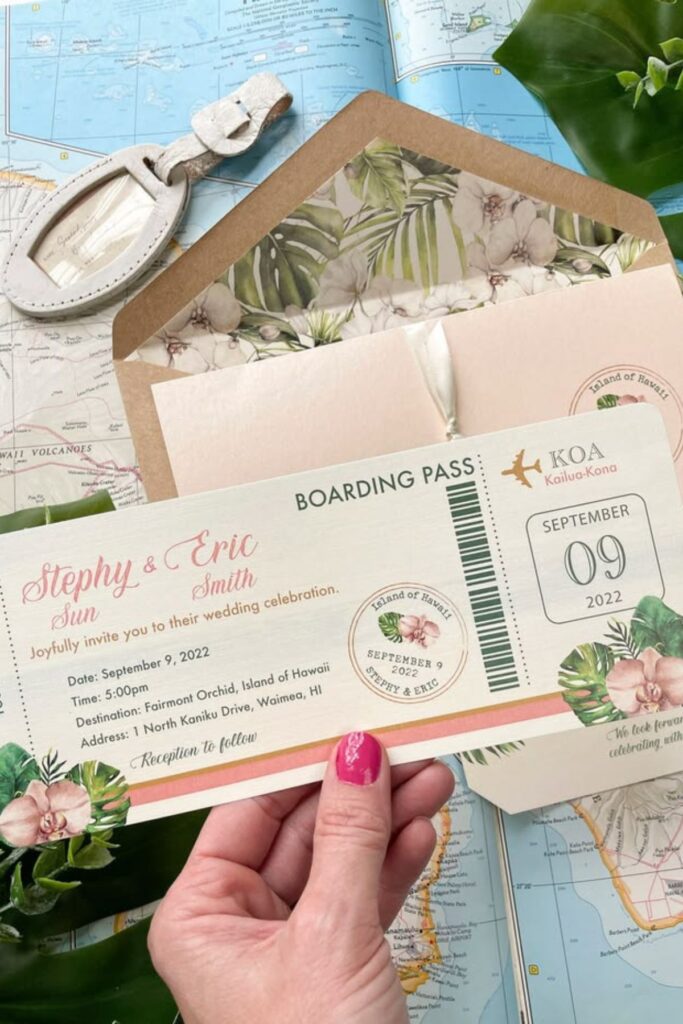
Hotel information can become one of the most useful parts of a destination wedding invitation.
Guests often want to know where the couple expects everyone to stay before booking flights. If you reserved a room block, include the hotel’s name and booking instructions.
You could write, “A room block is available at the Seaside Hotel through August 15.”
Then add your wedding website where guests can find the booking link and additional options. If several hotels are available, explain which one is closest to the wedding venue.
Avoid filling the invitation with several hotel addresses and phone numbers. That information becomes easier to manage on your wedding website or details card.
Your invitation should provide direction, while the website handles the heavier information load.
Good destination wedding invitation wording can also acknowledge that guests have different budgets. If possible, provide several accommodation choices at different price points.
That thoughtful gesture can make the trip feel more accessible for family and friends.
Find Out: How To Build The Perfect Wedding Weekend Itinerary
Give Guests Enough Time To Plan

Destination weddings require more preparation than celebrations held close to home. Guests may need flights, hotel rooms, vacation days, childcare, passports, or other arrangements.
Your invitation should therefore arrive early enough for them to make sensible plans.
A save-the-date can give travelers an early heads-up while you finalize the invitation details. Then your formal invitation can provide the information guests need for booking and RSVP decisions.
Earlier planning for destination celebrations is best because guests have additional travel arrangements.
Your destination wedding invitation wording should reflect that longer planning timeline. Avoid wording that makes the wedding sound like a last-minute weekend getaway.
Instead, communicate excitement while giving guests enough notice to organize their schedules.
You can also mention an RSVP deadline that gives you enough time for final planning.
Guests should know exactly when you need their response, especially when travel arrangements affect your headcount.
Next Post: Should You Stay At The Same Resort After Your Wedding?
Choose Wording That Matches Your Wedding Style
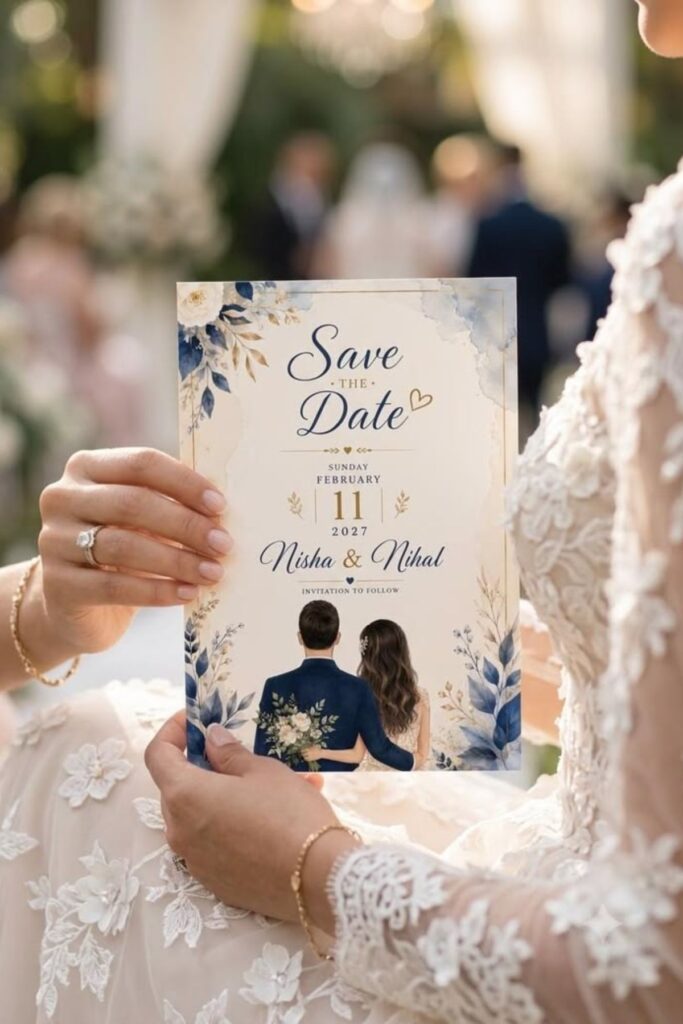
Your invitation language should match the celebration guests will experience after they arrive. A formal ballroom wedding deserves different wording from a barefoot ceremony beside the ocean.
When those two elements match, the entire invitation feels polished without sounding manufactured.
For a formal celebration, try, “Together with their families, Emily and James request your presence.”
For a relaxed beach wedding, consider, “Grab your sandals and join us for a seaside celebration.”
A mountain wedding might say, “Join us beneath the mountain skies as we say our vows.”
The right destination wedding invitation wording should sound natural for your relationship and setting.
Do not force fancy language simply because the invitation looks expensive. Likewise, avoid jokes that feel awkward if you normally speak in a more sincere voice.
Imagine your guest reading the invitation aloud at their kitchen table. Would the wording sound like you, or would everyone wonder who suddenly hired a Shakespeare impersonator?
That simple test can reveal whether your language feels authentic.
See Also: How To Keep Guests Happy During A Destination Wedding
Use Casual Wording For A Relaxed Celebration

Casual destination weddings give you plenty of room for personality and playful language. You can mention passports, sunshine, cocktails, road trips, or your favorite local attraction.
The trick is keeping the humor warm instead of making guests decode a punchline.
Try, “Pack your bags and join us in Key West as we say I do.”
Another option is, “We’re trading our usual Friday night plans for a wedding in the mountains.”
You could also write, “Come for the views, stay for the dancing, and celebrate our forever with us.”
Casual destination wedding invitation wording works especially well for beach resorts and outdoor celebrations.
It can make guests feel like they are joining an adventure with friends. Still, keep the practical details visible because charm cannot tell someone which airport to use.
If you use playful language, balance it with straightforward information nearby. Your opening can be fun, while your date, time, venue, and RSVP instructions remain crystal clear.
That combination gives guests the best of both worlds.
Check Out: Wedding Dresses That Stay Comfortable in Heat
Keep Formal Invitations Warm And Welcoming
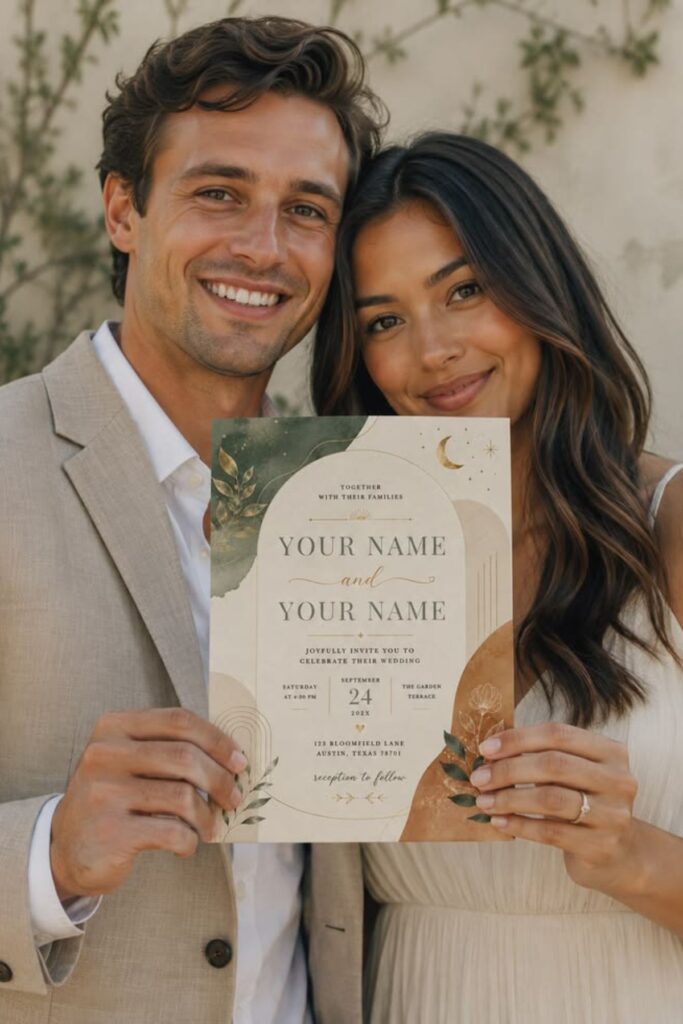
Formal wedding invitations can sound elegant without feeling distant or overly stiff. For a destination celebration, warmth becomes especially valuable because guests are making a bigger commitment.
They may be flying across the country, taking time off work, or arranging care for children.
Start with traditional wording if it suits your ceremony and family traditions.
For example, you might write, “Together with their families, Olivia and Daniel invite you to celebrate their marriage.”
Then introduce the destination with a graceful phrase that gives the invitation some personality.
Your destination wedding invitation wording can remain polished while still sounding like two real people.
Avoid stuffing every line with formal expressions that nobody would say in everyday conversation.
Instead, choose language that reflects your relationship, your venue, and the atmosphere you want guests to experience.
If the celebration includes a formal dress code, place that information where guests can find it easily.
A short line such as “Black-tie attire requested” can answer an important question without disrupting the invitation.
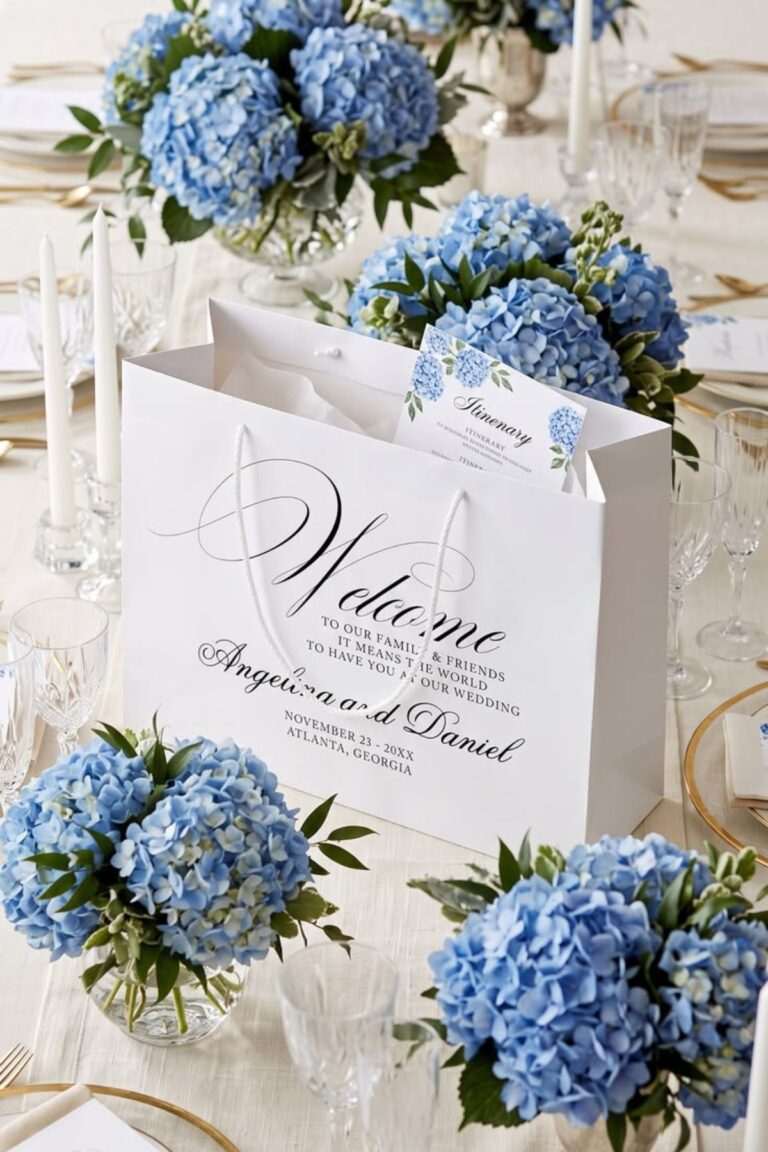
Read Also: 15 Destination Wedding Welcome Bag Ideas Everyone Loves
Make Your RSVP Instructions Easy To Follow
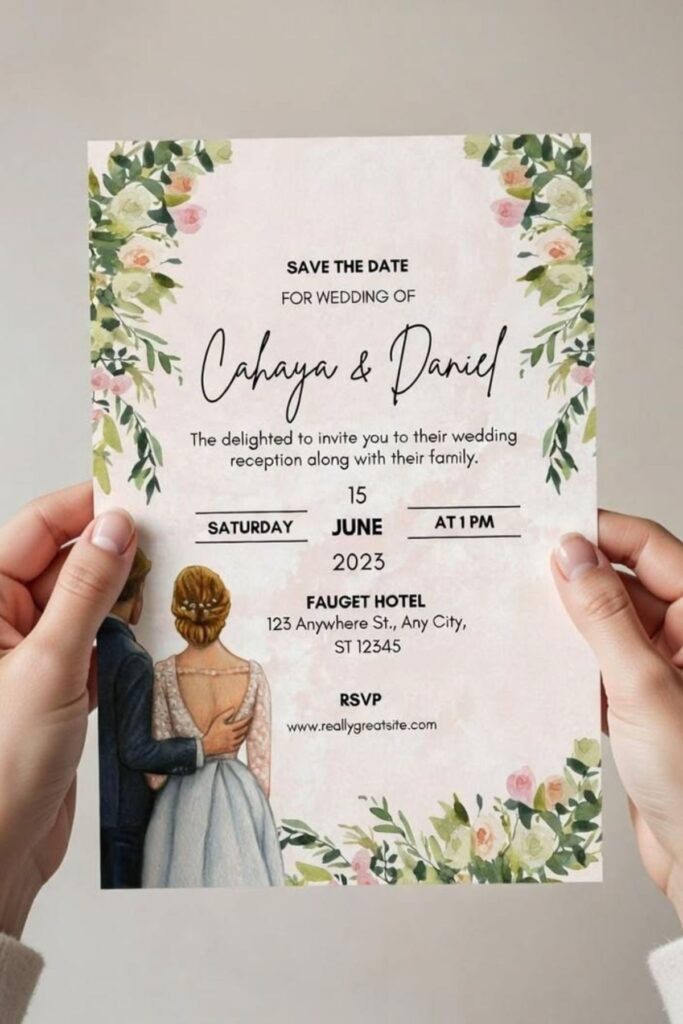
Traveling guests already have plenty of details to organize, so your RSVP process should feel wonderfully simple.
Give them one clear way to respond, whether that means a wedding website, response card, or digital form.
If you use a website, place the address where guests can find it without searching through several cards.
Your destination wedding invitation wording should also make the RSVP deadline impossible to miss.
Guests need that date before they can finalize flights, accommodations, and other travel arrangements.
You can write, “Please respond by May 10 so we can prepare for your arrival.”
If your wedding website collects meal choices, transportation preferences, or additional guest information, mention that clearly.
For example, “Please visit our website to RSVP and share your dinner selection.”
That small instruction can prevent a surprising number of follow-up messages.
Consider your less tech-savvy relatives too, especially older family members who may prefer traditional response cards.
Offering a phone number or alternate response method can make the process more comfortable for them.
Check Out: The Most Beautiful Beach Wedding Destinations
Mention Passport And Travel Requirements
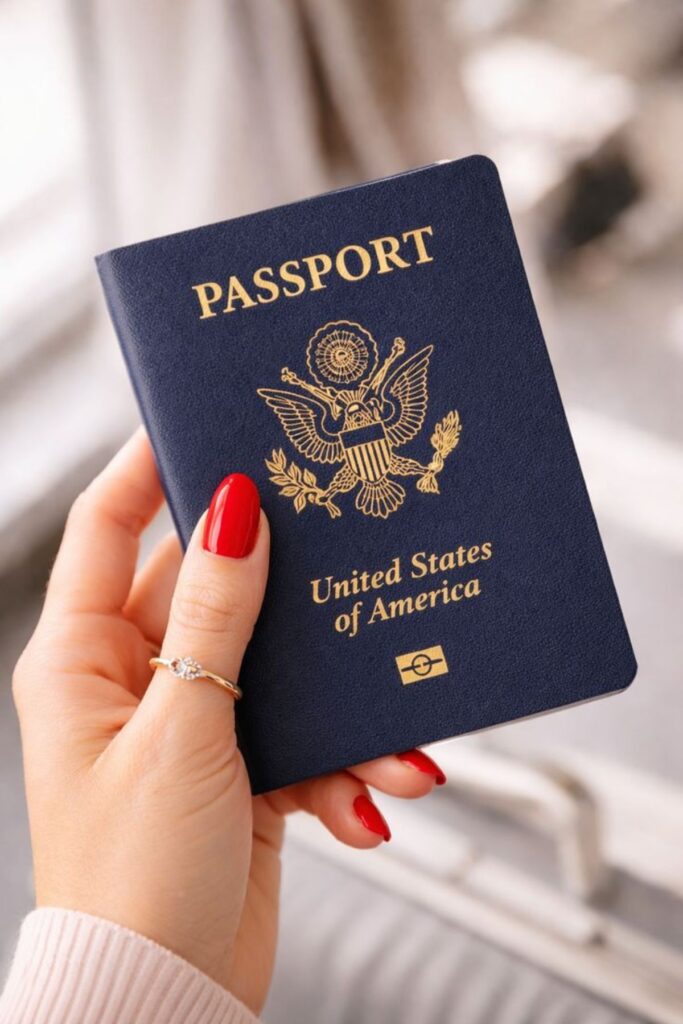
International destination weddings require additional travel information because guests may need passports or other documents.
Your invitation does not need to explain every entry requirement, but it should remind guests to check current rules.
This reminder can prevent unpleasant surprises as the wedding date gets closer.
You could write, “Please check passport requirements early and confirm that your travel documents remain valid.”
Then direct guests to your wedding website for destination-specific resources and official government information.
This approach keeps the invitation useful without turning it into an immigration guide.
Your destination wedding invitation wording can include a gentle reminder without sounding alarming.
For international celebrations, consider adding the destination’s airport information to your website.
Guests may appreciate knowing which airport offers the easiest route to the venue.
You can also provide general transportation suggestions without recommending specific travel companies unless you have researched them carefully.
Find Out: Everything You Need to Know About Beach Weddings
Add A Personal Touch For Traveling Guests
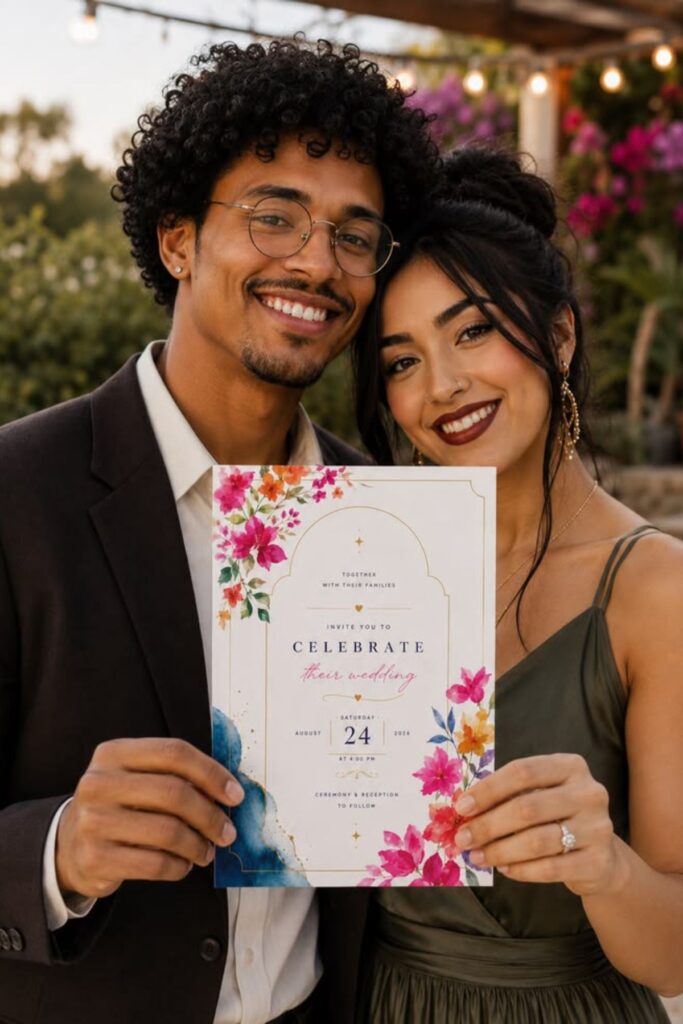
A destination wedding gives you a wonderful opportunity to make guests feel part of the adventure.
Even a small personal note can make the invitation feel warmer and more memorable. You might mention a favorite restaurant, scenic spot, or local tradition that guests can enjoy.
For example, write, “We cannot wait to share our favorite beach town with you.” Another option could say, “Come early, stay awhile, and explore the places that made us fall in love.”
These phrases give guests a sense that they are joining something personal.
Strong destination wedding invitation wording creates anticipation without demanding too much attention from the reader.
Your guests should feel excited about the wedding and curious about the destination. That feeling can turn a required trip into a memorable vacation.
You could also include a short welcome note on your wedding website. Tell guests why you selected the destination and what makes it meaningful to you.
That story gives the location emotional value instead of making it feel like a convenient backdrop.
Destination Wedding Invitation Wording Examples
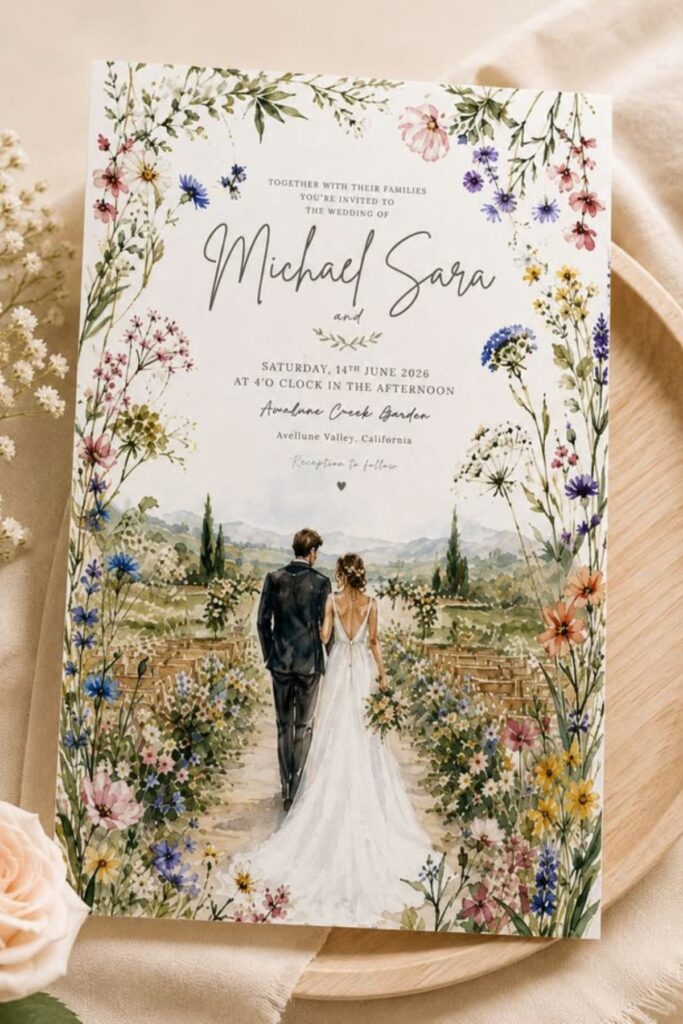
Sometimes the easiest way to find your voice is by seeing several examples together. Your wording can be romantic, relaxed, elegant, playful, or somewhere comfortably between those styles.
The key is choosing language that sounds natural for your relationship and celebration.
For a tropical wedding, try, “Join us beneath the palms as we celebrate our marriage in paradise.”
For a European wedding, consider, “Meet us in Rome for an unforgettable evening of love, laughter, and celebration.”
For a mountain ceremony, you could write, “Surrounded by mountain views and our favorite people, we invite you to celebrate with us.”
For a relaxed destination, try, “Pack your bags, grab your sunglasses, and come celebrate our big day by the ocean.”
For a formal event, write, “Together with their families, Sophia and Michael request the pleasure of your company in Napa Valley.”
Effective destination wedding invitation wording should communicate emotion while keeping the essential details clear.
Next Post: How To Save Money Traveling To A Destination Wedding
Avoid Making Guests Feel Obligated

Destination weddings can cost guests considerably more than local celebrations, so your wording should feel inviting rather than demanding.
You are asking people to share an important moment with you, but they may face financial or scheduling limits.
Use warm language that expresses your hope without creating guilt. A phrase such as, “We would be thrilled to celebrate with you in Hawaii” feels welcoming and sincere.
It leaves room for guests to make the choice that works for their circumstances.
Your destination wedding invitation wording should communicate that their presence matters, while respecting the effort required to attend.
That balance can be especially important for friends with young children, demanding jobs, or limited travel budgets.
If attendance requires several nights away, provide accommodation choices at different price levels when possible.
Guests will appreciate having options instead of feeling pressured into one expensive hotel.
You can also explain that virtual attendance will be available if that is part of your plan. That option can help loved ones participate when travel simply is not practical.




3 Comments