

How Far in Advance Should You Plan a Destination Wedding?
Disclosure: Some of the links in this post are affiliate links. This means if you click on the link and purchase an item, I will receive an affiliate commission at no extra cost to you.
Planning a wedding away from home comes with a long list of activities. Many couples find themselves asking, “how far in advance should you plan a destination wedding?” The answer to this question affects almost every decision that follows, including your budget, venue options, and guest experience.
Throughout this guide, you’ll learn what influences your schedule, how early you should book each major item, and how to create a realistic plan that fits your celebration. If you’ve been wondering how far in advance should you plan a destination wedding? You’re about to find out exactly what works and why.
Why Timing Matters More Than You Think

If you have been wondering how far in advance should you plan a destination wedding?, the honest answer depends on several moving pieces that all need to come together at the right time.
Unlike a hometown celebration where guests simply drive to the venue, a destination wedding asks everyone to book flights, reserve hotel rooms, request vacation time, and sometimes renew passports or apply for travel documents.
Those extra steps take time, and starting your planning early gives both you and your guests the flexibility to make smart decisions instead of expensive last minute ones.
It also opens the door to better venue availability, lower travel costs, and a much wider selection of vendors who may already have busy calendars months ahead.
Think about it like planning the perfect road trip.
You could throw a few bags into the car and hope everything works out, but most people enjoy the experience far more after mapping the route, reserving accommodations, and checking the weather.
Wedding planning works the same way because every early decision makes the next one easier.
Couples who give themselves twelve to eighteen months often have enough breathing room to compare venues, negotiate prices, and make thoughtful choices instead of settling for whatever happens to be available.
Even if your dream celebration is fairly simple, a comfortable timeline reduces stress and leaves room for surprises that almost always appear somewhere along the way.
Related Post: How to Plan a Destination Wedding Step by Step
Factors That Determine How Far Ahead You Should Start Planning
Your Wedding Destination
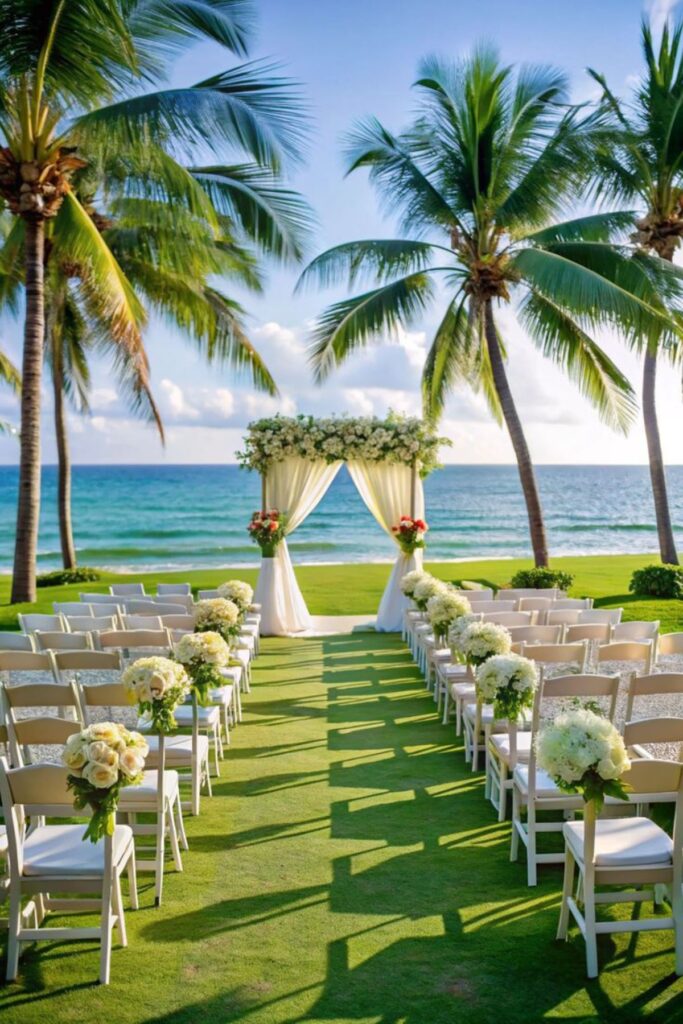
Your destination plays a bigger role than many couples expect because every location comes with its own booking patterns, travel requirements, and seasonal demand.
Popular beach resorts in Mexico, Hawaii, Italy, or the Caribbean often host weddings almost every day during peak seasons, which means the best venues and accommodations disappear quickly.
Mountain resorts, vineyards, and tropical islands also experience busy periods that fill calendars long before your wedding date arrives.
If you already have a dream location in mind, contacting venues as early as possible gives you a much better chance of securing the date you actually want instead of adjusting your plans around limited availability.
Weather deserves just as much attention because it can completely change the experience for you and your guests.
Hurricane seasons, rainy months, and extreme summer temperatures may influence both pricing and comfort.
A little research early in the planning process helps you avoid unpleasant surprises while giving guests confidence as they book travel.
Once you understand your destination’s busy seasons and travel patterns, answering the question, “how far in advance should you plan a destination wedding?” becomes much easier.
Check Out: Destination Wedding Timeline: What to Do Each Month
The Size Of Your Guest List

Guest count has a direct impact on your planning schedule because every additional guest creates another set of travel arrangements, accommodations, and communication.
A destination wedding with twenty close family members usually moves much faster than one with one hundred invited guests scattered across several states.
Larger groups often need room blocks at hotels, organized transportation, welcome events, and plenty of notice so everyone can coordinate work schedules, childcare, and travel budgets.
Giving guests enough time often leads to better attendance because they can spread travel expenses across several months instead of paying everything at once.
Communication also becomes more important as your guest list grows.
Save the dates should go out much earlier than they would for a traditional wedding since guests need time to compare airfare, secure hotel reservations, and make vacation requests at work.
Many couples send destination wedding save the dates eight to twelve months before the celebration, followed by formal invitations several months later.
This schedule keeps everyone informed without overwhelming them with information too early.
A thoughtful timeline also means fewer last minute phone calls asking for travel details because your guests have already had plenty of time to prepare.
See Also: 17 Things Couples Always Forget To Plan For A Destination Wedding
Your Preferred Wedding Season
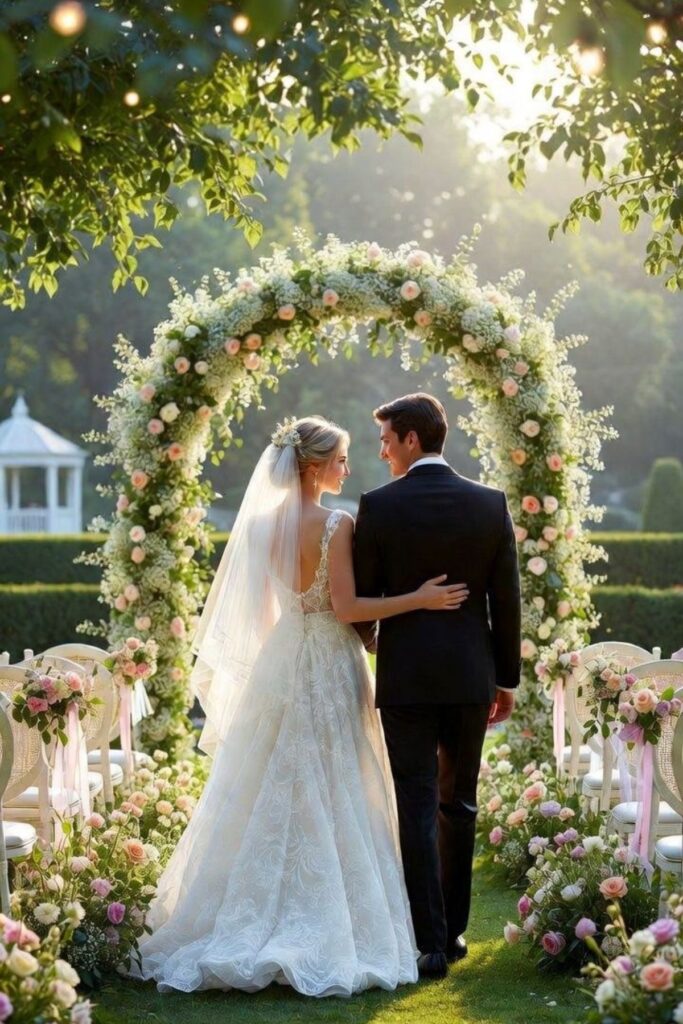
The season you choose can easily add several months to your planning timeline because some destinations experience heavy demand during certain times of the year.
Summer vacations, holiday weekends, spring breaks, and mild weather months often attract both tourists and wedding couples, which means venues, photographers, and florists book much faster.
If your heart is set on exchanging vows during one of those busy periods, starting twelve to eighteen months ahead gives you far more flexibility.
You will have a better chance of reserving your favorite venue, selecting vendors whose style matches your vision, and locking in hotel rates before prices climb.
Off season weddings often offer more availability and better pricing, but they still deserve thoughtful planning.
Lower demand does not always mean fewer challenges because weather patterns, local festivals, and reduced flight schedules can affect travel plans.
Guests also appreciate receiving plenty of notice regardless of the season since they still need to arrange transportation, request time away from work, and budget for the trip.
Taking these factors into account makes it much easier to answer the question, “how far in advance should you plan a destination wedding?” because your wedding date influences nearly every decision that follows.
You May Also Read: The Hidden Costs Of Destination Weddings Nobody Warns You About
Vendor Availability Can Shape Your Timeline

Many couples fall in love with a photographer, planner, or videographer long before they choose a venue, yet popular wedding professionals often receive bookings well over a year in advance.
Waiting too long may leave you choosing from whoever remains available instead of working with the creative team you truly wanted.
Starting early allows you to compare portfolios, schedule conversations, and hire vendors whose personalities fit your own.
That extra time often leads to better collaboration because everyone understands the vision before planning shifts into high gear.
Local vendors at destination locations also work with many couples traveling from around the world, so their calendars fill surprisingly fast.
Florists, musicians, makeup artists, officiants, and transportation companies frequently reach capacity during busy wedding seasons.
Reserving them early also gives you enough time to discuss details without feeling rushed.
Instead of juggling multiple decisions during the final weeks before your wedding, you can focus on smaller finishing touches while knowing your trusted team already has everything under control.
That peace of mind becomes one of the biggest rewards of planning well ahead.
Next Post: 25 Mistakes That Can Ruin Your Destination Wedding (And How To Avoid Them)
Your Budget Influences How Early You Should Plan

Money quietly shapes almost every wedding decision, and it also affects your planning timeline more than many couples expect.
If you plan to pay for your wedding over several months instead of all at once, beginning early makes the financial side much easier to manage.
You can spread deposits across a comfortable schedule, watch for airfare promotions, compare hotel packages, and avoid paying premium prices that often appear closer to the wedding date.
Small savings across multiple expenses can add up to thousands of dollars before the celebration even begins.
Guests also benefit from an extended timeline because they gain the opportunity to budget gradually instead of scrambling to purchase expensive last minute flights.
Families traveling with children especially appreciate the extra notice because vacations require careful financial planning.
Couples often discover that giving everyone additional time increases attendance while reducing stress for everyone involved.
If budget plays an important role in your decisions, planning ahead is one of the simplest ways to keep costs under control without sacrificing the experience you have imagined.
Recommended Post: Destination Wedding Invitation Wording for Travelers
The Ideal Timeline for Planning a Destination Wedding

Many wedding professionals recommend starting twelve to eighteen months before your preferred wedding date, and that advice remains practical for most couples planning celebrations away from home.
This window provides enough flexibility to book popular venues, hire experienced vendors, notify guests early, and organize travel without feeling like every deadline arrives at once.
Some intimate weddings with fewer guests can come together in less time, particularly if you choose an off season date or remain flexible about locations.
Still, additional planning time almost always creates a smoother experience because it leaves room for unexpected changes that naturally happen during wedding planning.
If someone asks, “how far in advance should you plan a destination wedding?” a twelve to eighteen month timeline serves as a dependable starting point rather than a strict rule.
Every couple has different priorities, financial situations, and travel requirements, so your schedule may shift slightly depending on those factors.
The goal is not to stretch planning for as long as possible but to give yourself enough breathing room to make thoughtful decisions without unnecessary pressure.
When you allow time to work in your favor, your destination wedding begins to feel exciting instead of overwhelming.
Check Out: Guest Packing Checklist For Destination Weddings
A Practical Destination Wedding Planning Timeline
12 To 18 Months Before the Wedding
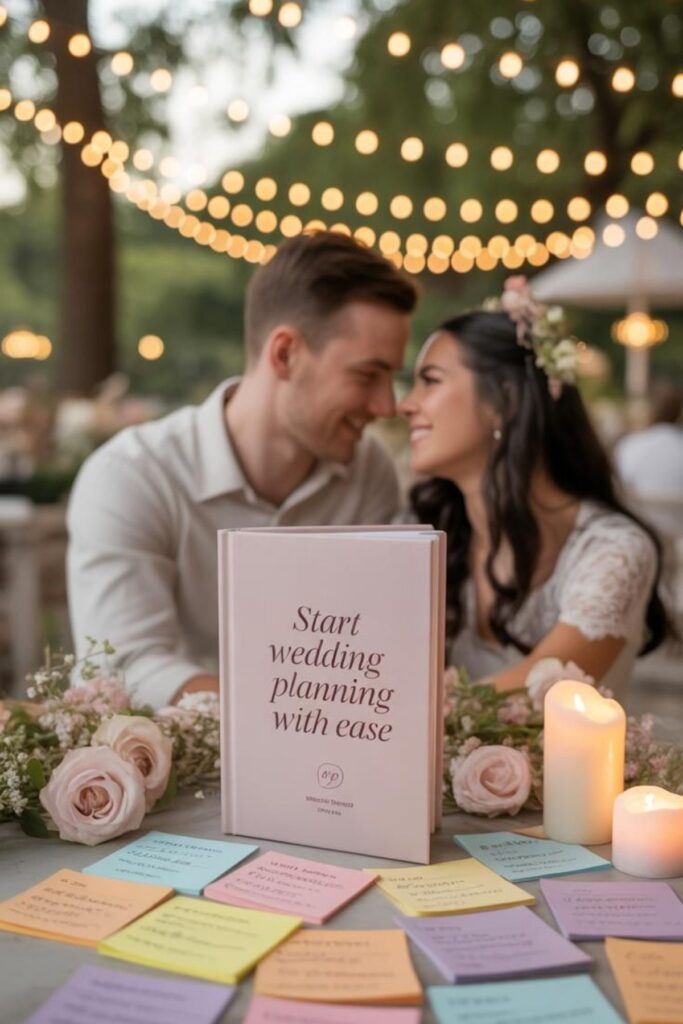
The earliest stage of planning sets the tone for everything that follows, which is why this is the perfect time to make your biggest decisions.
Start by choosing your destination, creating a realistic budget, estimating your guest count, and selecting a few possible wedding dates.
Once those pieces fall into place, begin researching venues and speaking with destination wedding planners if you plan to hire one.
Popular locations often receive reservations well over a year ahead, so acting early gives you the widest selection instead of limiting your options to remaining dates.
This is also the ideal time to secure your ceremony and reception venue, reserve room blocks for guests if needed, and book major vendors such as your photographer, videographer, and entertainment.
Many couples also launch a wedding website during this stage so guests have one place to find travel details and updates.
If you are still asking yourself, “how far in advance should you plan a destination wedding?” this phase demonstrates exactly why planning early pays off.
The biggest decisions require the longest lead times, and completing them first makes every remaining task much more manageable.
Related Article: Destination Wedding Timeline: What to Do Each Month
8 To 12 Months Before the Wedding

Once your venue and key vendors are secured, your attention can shift to helping guests prepare for the trip.
Send your save the dates as early as possible so everyone has enough time to request vacation days, compare airfare, and reserve accommodations before prices increase.
Guests traveling internationally may also need to renew passports or gather other travel documents, and those processes can take several weeks or even months depending on their location.
During this stage, you should also finalize your guest list, choose wedding attire, arrange transportation, and continue working with vendors on the overall design of your celebration.
Couples often begin planning welcome dinners, excursions, or farewell brunches during this period because those events help guests enjoy the destination beyond the wedding day itself.
Taking care of these details several months ahead keeps your schedule comfortable while allowing everyone involved to prepare without unnecessary pressure.
Discover: How To Save Money Traveling To A Destination Wedding
4 To 7 Months Before the Wedding

Your plans should now begin taking shape, and this stage focuses on refining the details rather than making major changes.
Send your formal invitations with clear travel information, RSVP deadlines, and links to your wedding website if you have one.
Guests appreciate having everything in one place because they can review hotel recommendations, transportation details, dress codes, and local activities before booking their trip.
You should also schedule menu tastings if travel allows, finalize floral selections, confirm ceremony details with your officiant, and continue regular conversations with your planner or venue coordinator.
If visiting your destination before the wedding is possible, this period offers a great opportunity to meet vendors, tour the venue, and answer any remaining questions in person.
Every completed task builds confidence because your wedding gradually shifts from an exciting idea into a celebration that feels real.
See Also: Beach Wedding Color Combinations That Always Look Elegant
1 To 3 Months Before the Wedding

The final months focus on confirming details rather than making significant decisions.
Collect final RSVPs, provide vendors with updated guest counts, confirm transportation schedules, and review the complete wedding day timeline with everyone involved.
Small details such as seating arrangements, welcome bags, ceremony music, and vendor payments should also receive your attention during this period so nothing slips through the cracks.
Take time to confirm travel plans for yourselves as well because couples sometimes become so focused on guests that they forget their own reservations.
Double check flights, hotel bookings, passports, and any required travel documents before packing begins.
Once everything has been confirmed, allow yourself to step back and enjoy the excitement.
After months of thoughtful planning, your destination wedding is finally around the corner, and you can spend the remaining days looking forward to the celebration.
Read Also: Wedding Dress Mistakes That Show Up in Every Photo
Can You Plan a Destination Wedding in Less Than a Year?

Absolutely, although your flexibility will become your greatest advantage.
Many couples successfully organize beautiful destination weddings within nine months, six months, or even less, especially if they keep their guest list small and remain open to different dates or venues.
Instead of chasing a specific Saturday at a popular beachfront resort during peak season, you may need to consider a weekday celebration or an off season date.
That willingness to adjust often opens doors that seemed closed at first, while reducing costs at the same time.
A shorter planning timeline also calls for quick decisions and clear communication.
Rather than spending weeks comparing every possible option, focus on the choices that matter most to you as a couple.
Hiring an experienced destination wedding planner can also save valuable time because they already have relationships with trusted local vendors and understand the logistics of the area.
If you still find yourself wondering, “how far in advance should you plan a destination wedding?” remember that twelve to eighteen months offers the smoothest experience, but a memorable celebration is still possible with less time if you stay organized and remain realistic about your expectations.
Next Post: The Biggest Destination Wedding Planning Mistakes
Common Planning Mistakes That Can Delay Your Wedding

Even couples who start planning early sometimes create unnecessary stress because they overlook a few important details.
Destination weddings involve travel logistics that affect many people, so a small oversight can quickly grow into a bigger problem.
Recognizing common mistakes before they happen gives you a better chance of staying on schedule while keeping both you and your guests happy throughout the planning process.
Some of the most common mistakes include:
- Waiting too long to reserve your venue, which limits your available dates.
- Sending save the dates too late for guests to plan travel comfortably.
- Ignoring seasonal weather patterns that could affect your ceremony.
- Forgetting to review passport expiration dates or travel requirements.
- Booking flights before confirming your venue and wedding date.
- Underestimating the time needed for custom wedding attire and alterations.
- Trying to manage every detail without asking for help when you need it.
None of these situations automatically ruin a wedding, but each one can create unnecessary pressure that could have been avoided with a little extra planning.
A realistic schedule gives you enough room to solve unexpected issues without feeling like the entire celebration is hanging in the balance.
Read Also: Destination Wedding Timeline: What to Do Each Month
Final Thoughts

If you have been asking yourself, “how far in advance should you plan a destination wedding?” the safest answer for most couples is between twelve and eighteen months.
That timeline provides enough flexibility to book your preferred venue, hire experienced vendors, help guests arrange travel, and spread expenses over several months.
Every destination and every wedding is different, yet giving yourself plenty of time almost always leads to a smoother planning experience.
At the end of the day, your wedding should feel like the beginning of an exciting new chapter rather than a race against the clock.
Start planning as early as your circumstances allow, stay flexible when unexpected changes appear, and remember that the best destination weddings are remembered for the joyful moments shared with the people you love, not for a perfectly color coded checklist.



2 Comments