

The Best Time of Day for a Beach Wedding
Disclosure: Some of the links in this post are affiliate links. This means if you click on the link and purchase an item, I will receive an affiliate commission at no extra cost to you.
A beach wedding can feel incredibly romantic, with waves rolling nearby and the sky creating a beautiful natural backdrop. Still, the best time of day for a beach wedding can affect everything from guest comfort to your wedding photos.
Morning can feel calm and intimate, while later hours bring warmer light and a more relaxed evening mood. Choosing the right moment takes a little thought because the beach can change dramatically throughout the day.
If you want your ceremony to feel beautiful, comfortable, and perfectly timed, discovering the best time of day for a beach wedding is a great place to start.
The Best Time of Day for a Beach Wedding
Morning Beach Weddings
Morning beach weddings have a calm quality that can make the ceremony feel especially personal.
The beach may be quieter, the temperatures can feel more comfortable, and the soft morning light creates a fresh setting.
Sunrise ceremonies can be particularly appealing during warmer months. Guests can enjoy the ceremony before the strongest heat arrives, which can make formal clothing much easier to tolerate.
Morning light can also create beautiful photographs without the harsh shadows associated with midday sunlight.
The beach may appear peaceful and almost untouched, especially at locations that become busy later.
The biggest challenge is the early schedule. Hair and makeup may begin before sunrise, depending on how large your wedding party is and how far everyone must travel.
Guests may also have mixed feelings about waking before dawn for a wedding. Some people will love the experience, while others may need serious coffee before they are ready for romance.
A morning ceremony can flow naturally into brunch, giving you plenty of time for photographs and activities afterward.
For couples who love peaceful surroundings, sunrise could be the best time of day for a beach wedding.
Midday Beach Weddings
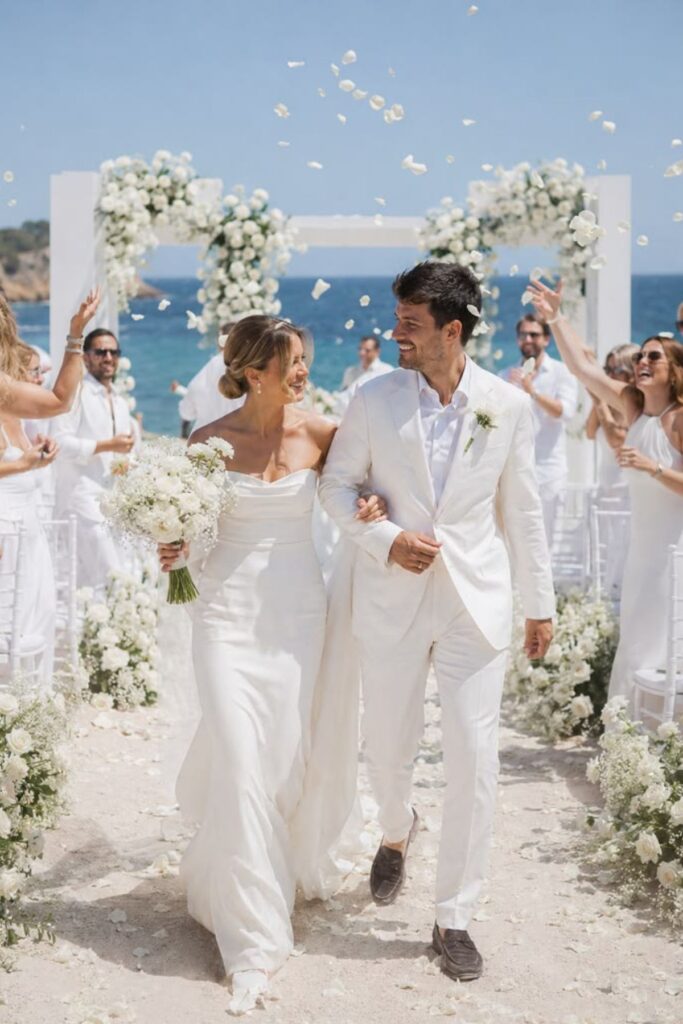
Midday ceremonies can work well for couples who want a bright daytime celebration. They also make sense when the reception involves lunch, afternoon activities, or a relaxed gathering.
The biggest concern is usually heat. Sitting on a beach under direct sunlight can become uncomfortable, especially when guests are wearing suits, dresses, and formal shoes.
Strong overhead sunlight can also create difficult photography conditions. Faces may have harsh shadows, while guests may squint when looking toward the ceremony.
Shade becomes especially important for midday weddings. Covered seating, umbrellas, tents, and nearby indoor areas can give guests somewhere to escape the sun.
Cold water should also remain available throughout the ceremony. Fans can provide another simple comfort, especially when the weather becomes particularly warm.
Your photographer can work around strong sunlight by choosing better angles and positioning.
However, the final images may still have a different appearance from those taken during golden hour.
The best time of day for a beach wedding may be midday if you prefer a daytime celebration. Just make guest comfort a major part of your planning instead of treating it as an afterthought.
Late Afternoon Beach Weddings

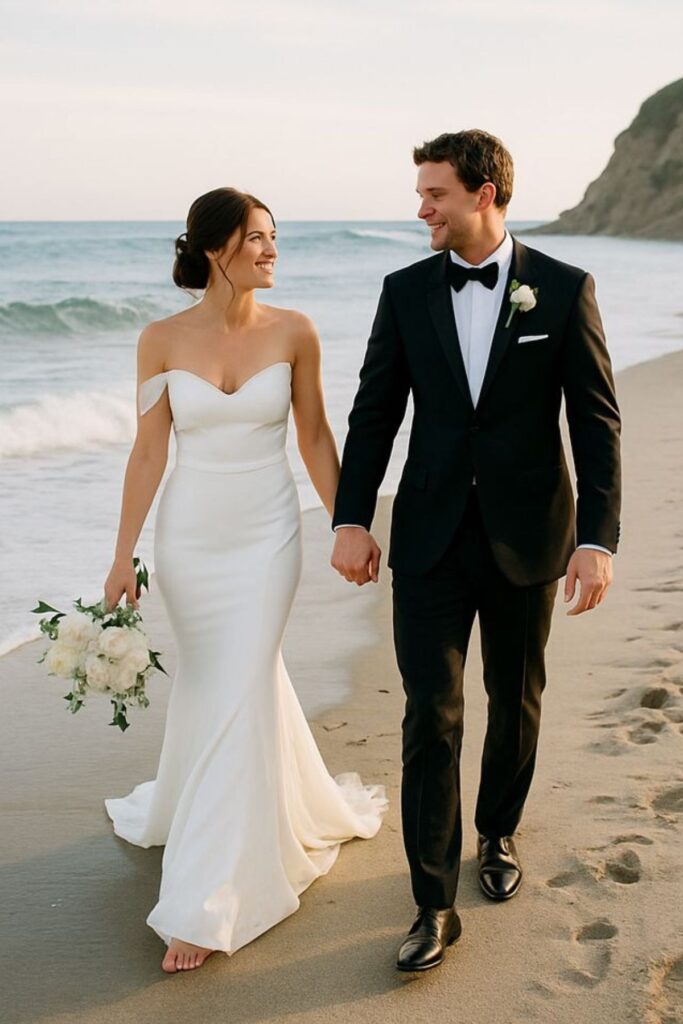
Late afternoon is often considered the sweet spot for beach weddings because several advantages come together at once.
The strongest heat may begin fading, while enough daylight remains for the ceremony and photographs.
The lower position of the sun can also create warmer and softer light. This can make wedding portraits feel romantic without requiring complicated lighting setups.
Another benefit involves the reception timeline. A late afternoon ceremony can move naturally into cocktails, dinner, and dancing as the evening develops.
The exact ceremony time should depend on your wedding date and location. You should check the local sunset time instead of assuming that every beach has the same schedule.
Your photographer can help determine how long you need for family photographs and couple portraits.
Large family groups can take longer than expected, especially when everyone needs to gather after the ceremony.
Starting too close to sunset can create unnecessary pressure. You want enough time to enjoy the vows without immediately worrying about losing daylight.
For many couples, the best time of day for a beach wedding falls about an hour or two before sunset.
This gives the celebration enough daylight while creating an easy path into golden hour.
Sunset Beach Weddings
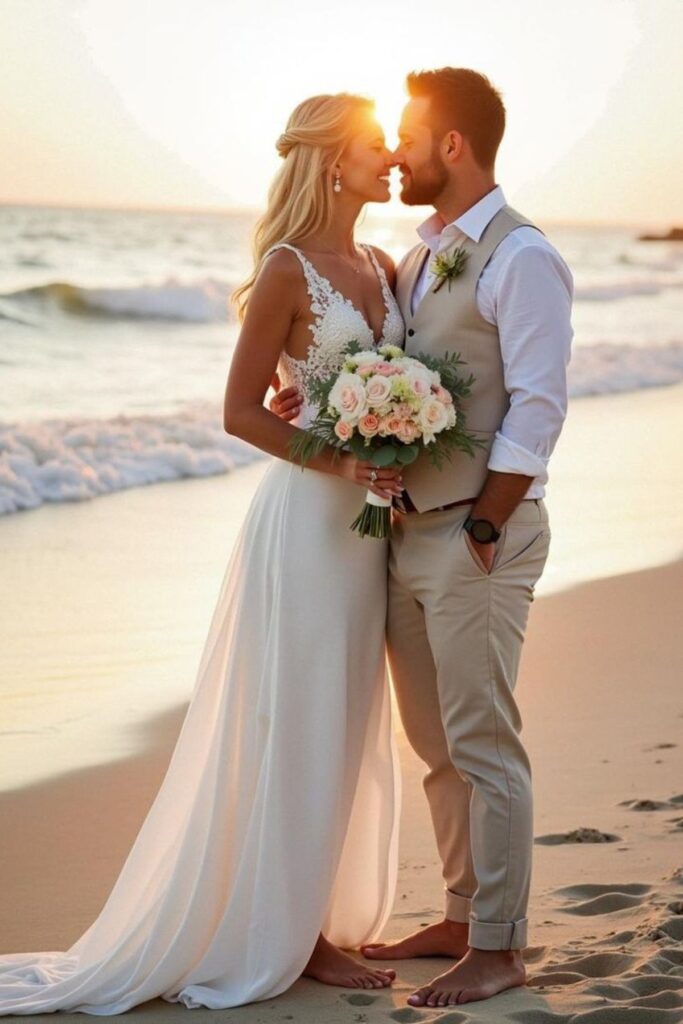
Sunset weddings have an obvious romantic appeal because the sky becomes part of the ceremony itself. Warm colors, ocean reflections, and fading sunlight can create an unforgettable backdrop.
Sunset also provides excellent opportunities for wedding photography. Couples can take portraits during the softer light while the sky changes behind them.
However, sunset happens quickly, so timing matters. If your ceremony begins too late, you may have very little daylight remaining for family photographs.
You should also think about where the sun will sit during the ceremony. Guests facing directly into bright sunlight may spend more time squinting than enjoying your vows.
Your photographer can recommend the best direction for the ceremony setup. Sometimes moving the seating arrangement slightly can improve both guest comfort and photography.
The reception can begin naturally after sunset, which makes this timing convenient for evening celebrations. Guests can enjoy cocktails while the couple finishes portraits, then move into dinner and dancing.
The best time of day for a beach wedding can certainly be close to sunset, especially for couples who prioritize atmosphere and photography.
Just leave enough time between the ceremony and disappearing daylight.
Evening Beach Weddings
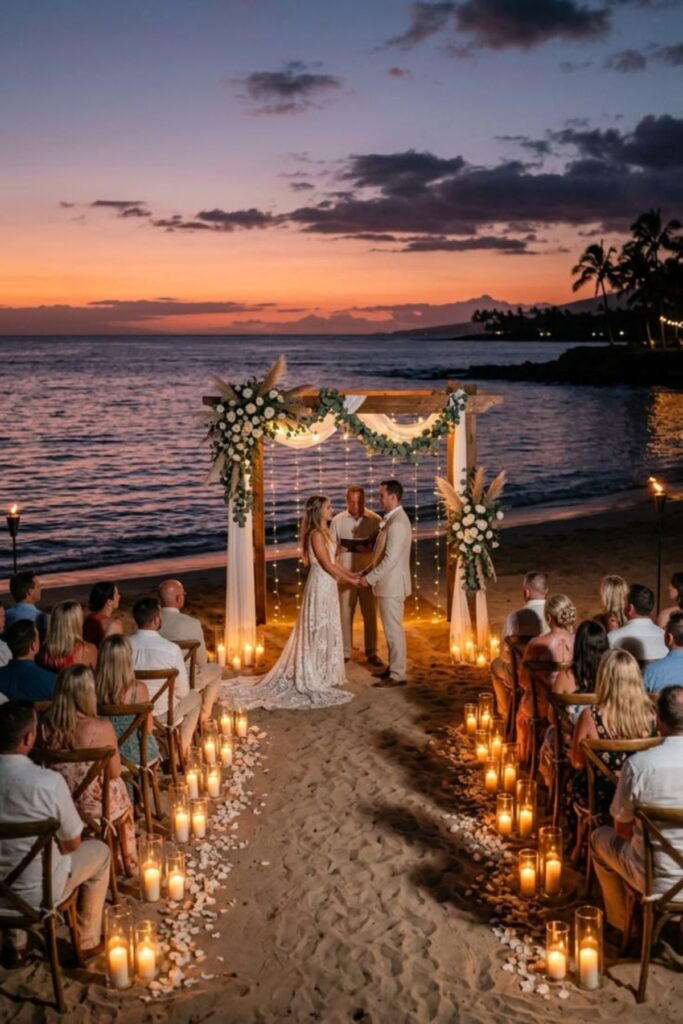
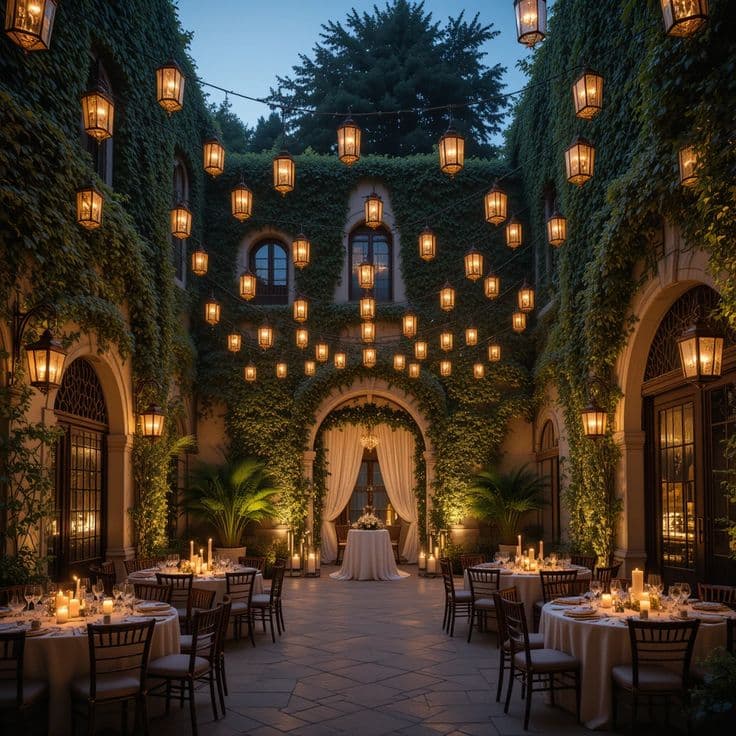
Evening beach weddings can feel intimate, relaxed, and dramatic once the sun has disappeared. String lights, lanterns, candles, and other lighting can create a beautiful atmosphere beside the water.
Cooler temperatures can make evening celebrations particularly comfortable during warmer seasons. Guests may enjoy dinner and dancing without dealing with strong afternoon sunlight.
Darkness does create additional responsibilities, however. Pathways, seating, food stations, restrooms, and entrances need enough lighting for guests to move safely.
Photography also requires different techniques after sunset.
A photographer experienced with nighttime weddings can capture beautiful images, although the photographs will have a different style from golden-hour portraits.
You should also check whether the beach allows nighttime events. Public beaches may have restrictions involving event hours, amplified music, lighting, or temporary structures.
Lighting should provide enough visibility without destroying the romantic atmosphere. Pathways deserve special attention because uneven sand can become harder to see after dark.
The best time of day for a beach wedding does not have to involve sunlight. Couples who love evening celebrations can create something beautiful with the right lighting, venue, and safety plan.
Things To Consider And Do Before Choosing Your Wedding Day
Consider The Wedding Month

The month of your wedding can influence which ceremony time makes the most sense. A comfortable afternoon during one season may feel completely different several months later.
Summer weddings often bring higher temperatures, stronger sunlight, and longer daylight hours. Winter weddings may bring cooler temperatures and earlier sunsets.
Humidity can also affect comfort, particularly in coastal locations. It can influence hair, makeup, clothing, flowers, and even printed wedding materials.
Ask your venue about typical conditions during your wedding month. Local vendors can often provide useful information because they have experienced the beach during different seasons.
Rain patterns deserve attention as well. Although weather cannot be predicted perfectly months ahead, seasonal trends can help you choose a more practical time.
Morning may work particularly well during hot seasons because temperatures are usually lower. Evening may also provide relief after the sun goes down.
The best time of day for a beach wedding should therefore reflect your wedding season. Choosing an hour without considering seasonal weather can create unnecessary discomfort.
Your planner and venue can help you compare different times based on the specific month. That conversation can make the final decision much easier.
Think About Your Guests

Your guests should have a voice in your timing decision because they will experience the conditions differently from you. Their comfort can affect how much they enjoy the celebration.
Older relatives may struggle with strong heat, direct sunlight, or deep sand. Guests with mobility concerns may also need accessible paths and comfortable seating.
Families with young children may find very early or very late ceremonies challenging. Parents usually appreciate schedules that allow children to follow familiar routines.
Travel distance matters as well. Guests traveling from another city may need additional time for transportation and getting ready.
Late afternoon often works well for larger guest lists because people have enough time to prepare and travel. Sunrise can work beautifully for smaller celebrations with nearby guests.
Providing shade, water, fans, and clear directions can also make the experience easier. Small comforts can have a surprisingly large impact during an outdoor wedding.
The best time of day for a beach wedding should make guests feel considered rather than forgotten. Your wedding should feel like a celebration for everyone who made the effort to attend.
Check The Tide
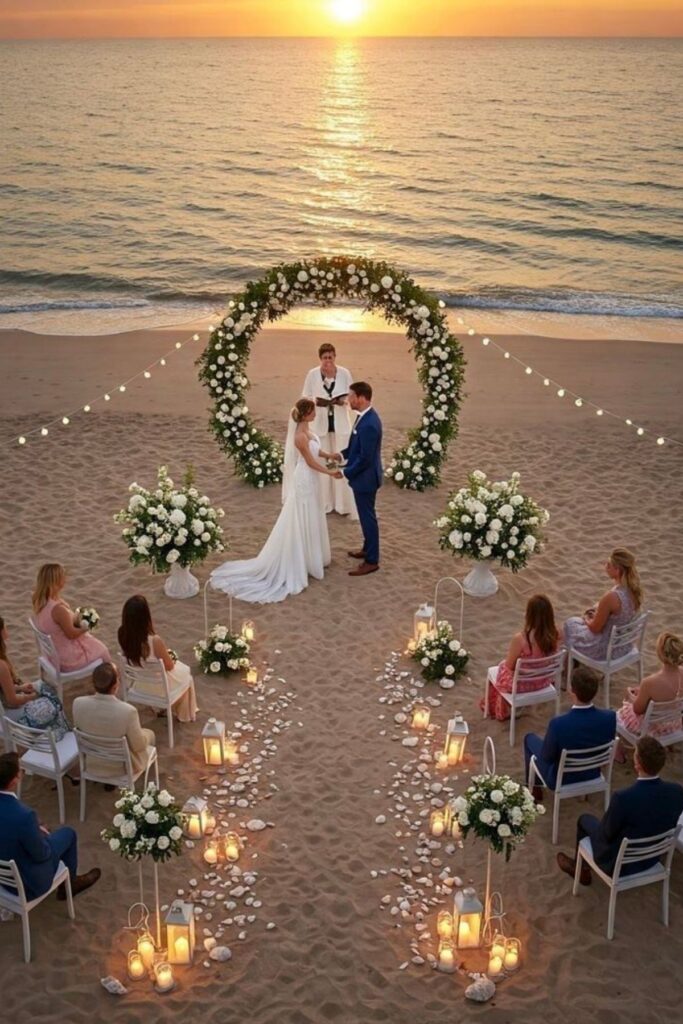
Tide schedules can influence your ceremony more than many couples realize. The amount of available beach space can change significantly between low and high tide.
A beach that looks spacious during your venue visit may become much narrower later. Rising water can also affect where chairs, decorations, and photography equipment can safely sit.
Check the tide schedule for your actual wedding date before finalizing your ceremony time. Your venue or local planner may already know which sections of the beach remain practical throughout the day.
Guest movement should also be considered. Wet sand can become slippery, while deeper sand can make walking difficult for formal shoes.
Waves may also become louder or stronger at certain times. That can affect microphones, photographs, and the overall ceremony experience.
A site visit around your planned ceremony hour can reveal useful details. You can observe the water level, sunlight, wind, crowds, and walking conditions at the same time.
The best time of day for a beach wedding should work with the tide rather than fight against it. Checking tide information early can prevent a last-minute ceremony relocation.
Think About Your Photography

Photography should influence your ceremony time because beach lighting changes throughout the day. Your photographer needs enough time to capture the images you care about most.
Golden hour is popular because the lower sun can produce warm, flattering light. However, you need to protect enough time for those photographs after the ceremony.
Family portraits often take longer than couples expect. Large groups require organization, which can quickly eat into your available daylight.
A first look can provide additional portrait time before the ceremony. This option can allow you to enjoy more of your reception without rushing through photographs afterward.
Your photographer can also recommend the best ceremony direction. Guests should remain comfortable while the photographer gets a good view of the couple.
Discuss your priorities before setting the final ceremony time. If sunset portraits are extremely important, the rest of your schedule should support that goal.
The best time of day for a beach wedding often depends on how much photography matters to you. Your photographer can help create a schedule that protects the light without making the day feel rushed.
Think About The Reception
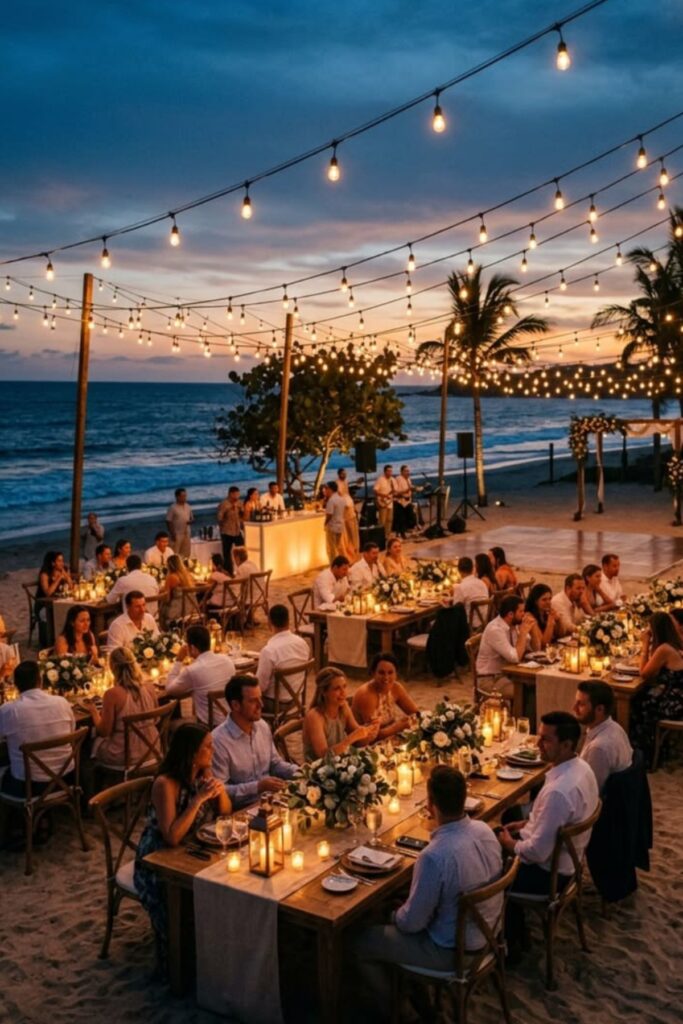
Your ceremony should connect naturally with your reception because the entire day works as one timeline. The ceremony hour can determine when guests eat, drink, dance, and leave.
Sunrise weddings work naturally with brunch receptions. Guests can enjoy breakfast foods, coffee, fresh fruit, and pastries after the ceremony.
Late afternoon weddings can transition into cocktails and dinner. The changing light can also create a natural movement from daytime into evening.
Midday weddings can lead into lunch, although an evening reception may create a longer gap. That gap can work if guests have somewhere comfortable to relax.
Your caterer also needs to know the timing. Outdoor food service can become more challenging during periods of high heat.
Entertainment vendors need enough setup time as well. DJs, bands, lighting teams, and rental companies may need access before guests arrive.
The best time of day for a beach wedding should support your complete celebration rather than one beautiful moment. When the timeline flows naturally, guests tend to feel more relaxed.
Visit The Beach At Different Times

One of the smartest things you can do is visit your chosen beach at several different hours. Online photographs cannot show you everything that happens throughout the day.
Visit during the morning to see how quiet the beach feels. Return during midday to understand the heat and sunlight, then visit near sunset to observe crowds and lighting.
Pay attention to where shadows fall and how bright the sand becomes. Notice how easy it is to walk from parking areas to your proposed ceremony location.
Listen carefully to the surroundings as well. Nearby restaurants, beach activities, traffic, boats, and crowds can affect the ceremony sound.
Check the tide during your visits when possible. The difference between low and high tide can completely change your available ceremony space.
These visits can help you make a decision based on reality rather than assumptions. They can also help your photographer understand what the location offers.
The best time of day for a beach wedding often becomes obvious once you experience the location personally. A beach that looks perfect online may feel very different in person.
The Best Time of Day for a Beach Wedding
There is no single answer that works for every couple because personal preference plays a big role in choosing a ceremony time.
Some couples love waking up early and enjoy the peaceful feeling of a nearly empty beach, while others would rather take their time getting ready and celebrate later.
Morning weddings can offer cooler temperatures, softer light, and quieter surroundings, although the early schedule may be inconvenient for some guests.
Midday ceremonies provide plenty of daylight and can work well with lunch receptions, but stronger heat and sunlight can make guests uncomfortable.
Late afternoon often brings a comfortable balance, with softer sunlight and temperatures that may become easier to handle.
However, couples may have less flexibility if they want extensive photographs before sunset.
Evening weddings can feel intimate and romantic, although additional lighting becomes important for guest safety and photography.
The best time of day for a beach wedding should therefore reflect what matters most to you.
Think about the atmosphere you want, your guests’ needs, your photography plans, and how you want the celebration to flow before choosing the clock time.
Final Thoughts
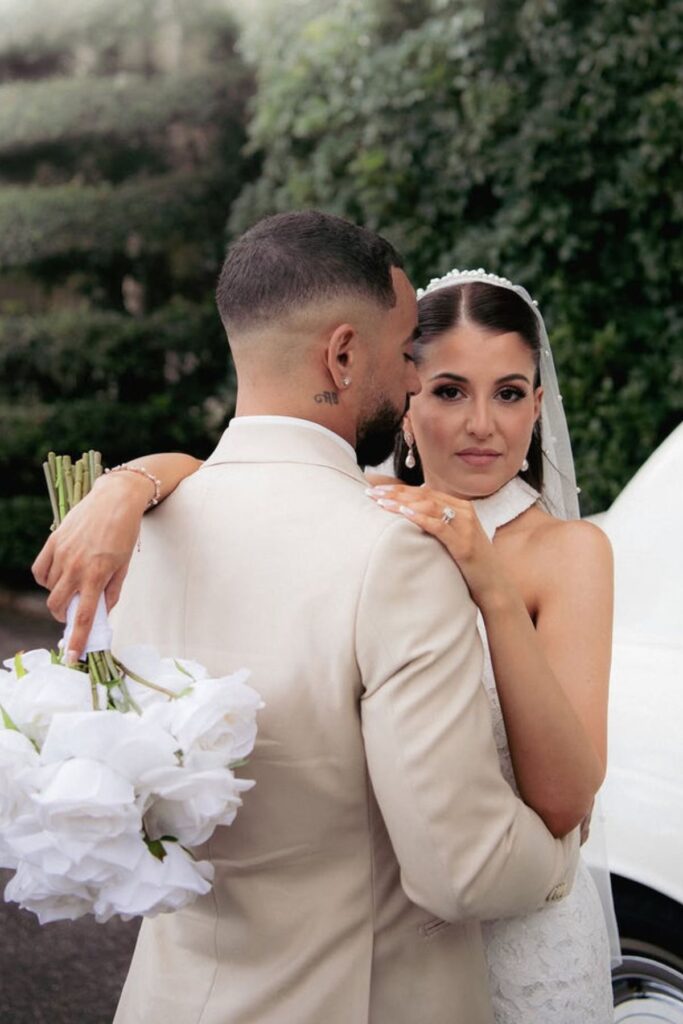
Choosing your ceremony time involves more than finding a beautiful sunset. You need to consider temperature, sunlight, tides, guest comfort, photography, venue rules, and reception timing.
For many couples, late afternoon provides a comfortable balance between these factors. The heat may ease, the sunlight becomes softer, and the reception can continue naturally into the evening.
Sunrise can be ideal for couples who want privacy and cooler conditions. Midday can work for daytime celebrations when shade and guest comfort receive careful attention.
Sunset can create breathtaking photographs and a romantic atmosphere. Evening weddings can also feel magical when proper lighting and safety measures are included.
Start with your wedding date and location, then check sunset and tide information. Talk with your photographer, venue, planner, and caterer before locking in the ceremony hour.
Most importantly, choose a time that fits the kind of celebration you want. You do not need to copy another couple’s schedule simply because their photographs looked beautiful.
The best time of day for a beach wedding is ultimately the time that lets you enjoy the celebration without constantly worrying about the weather, clock, or disappearing daylight.





2 Comments