
The Hidden Costs Of Destination Weddings Nobody Warns You About
Disclosure: Some of the links in this post are affiliate links. This means if you click on the link and purchase an item, I will receive an affiliate commission at no extra cost to you.
Destination weddings can feel like the ultimate combination of romance, travel, and celebration, but the hidden costs of destination weddings can quietly stretch your budget. A beautiful venue price may look manageable until transportation, vendor fees, and guest logistics start piling up.
The tricky part is that many expenses appear separately, so they are easy to overlook during early planning. Understanding where those extra dollars can appear gives you a clearer budget and fewer unpleasant surprises later, especially when the final invoices start arriving.
The Hidden Costs Of Destination Weddings Nobody Warns You About
Resort Fees Can Change Your Hotel Budget

A hotel room may look affordable when you first compare nightly rates, but the final bill can tell a different story.
Some properties add resort fees, destination charges, parking costs, taxes, or other required expenses.
These charges can make a room considerably more expensive than the advertised nightly price.
Before booking accommodations, ask for the complete nightly cost rather than focusing on the basic room rate.
You should also check whether the property charges guests separately for internet access, parking, beach services, or other amenities.
This is one of the hidden costs of destination weddings because couples often focus on the wedding package itself.
Guests may also face these additional expenses, especially when the wedding involves a large hotel block.
Ask the hotel for a written breakdown of expected charges before signing anything. Compare that total with nearby properties because another hotel may provide better overall value.
Vendor Travel And Accommodation Fees

Hiring a favorite photographer or planner from home may come with additional travel expenses. The vendor may require airfare, hotel accommodation, ground transportation, meals, or travel days.
These costs can add a substantial amount to the original service quote.
Ask every destination vendor whether travel expenses are included in their package. If they are separate, request an estimate before signing the contract.
You should also ask who books the vendor’s flights and hotel. Some professionals handle their arrangements, while others expect the couple to make reservations.
This is another example of the hidden costs of destination weddings because the advertised service price may represent only the starting point.
Compare the total cost with hiring a qualified local vendor. A local professional may already understand the venue, transportation routes, weather, and nearby rental companies.
However, a vendor from home may already understand your style and preferences. The best choice depends on the service, quality, availability, and complete cost.
Transportation Between The Airport And Venue

Getting guests from the airport to the wedding destination can create another significant expense. A remote resort may require private cars, shuttles, boats, or other transportation.
Those costs can add up quickly when many guests are traveling at different times. Ask the venue about airport transportation before finalizing the location.
Find out whether complimentary shuttles are available and how frequently they operate.
If private transfers are necessary, request group pricing from transportation companies. You can also compare shared shuttles with individual rides.
This is one of the hidden costs of destination weddings because transportation often gets treated as an afterthought.
The venue may look reasonably priced until you calculate how much everyone needs to spend getting there.
Consider transportation for the entire weekend, not just arrival and departure. Guests may need rides between hotels, ceremony locations, reception venues, and optional activities.
A venue with slightly higher accommodation costs may actually save money if transportation is included.
Guest Welcome Bags Can Cost More Than Expected

Welcome bags seem simple until you start filling them.
A few snacks, water bottles, sunscreen, maps, personalized items, and toiletries can become surprisingly expensive when multiplied across dozens of guests.
Customization can increase the price even further. Before shopping, decide how much you want to spend per bag.
Then choose items that guests will genuinely use during the weekend. You do not need to fill every inch of the bag to make it thoughtful.
A few practical items can feel more generous than a mountain of inexpensive decorations.
This is another example of the hidden costs of destination weddings because small guest gifts can quietly become a large budget category.
Consider using local snacks or practical items that connect with the destination.
You can also choose reusable bags that serve as part of the gift rather than buying separate packaging.
Ask vendors about bulk pricing before purchasing everything individually. You might also discover that the hotel provides water, maps, or basic toiletries already.
There is no prize for creating the heaviest welcome bag in wedding history. Keep the contents useful, attractive, and appropriate for the destination.
Marriage License And Legal Document Fees

Legal paperwork can come with costs that are easy to overlook during early planning.
Depending on your destination, you may need certified documents, translations, notarization, official copies, or local appointments.
Some destinations also have specific requirements for witnesses or residency periods.
Research the legal requirements before assuming your ceremony will automatically be legally recognized.
Use official government sources for the most current information.
Your planner can provide guidance, but legal requirements should be verified through the appropriate authorities.
This is one of the hidden costs of destination weddings because paperwork expenses may appear one at a time.
A required translation might seem inexpensive, while several documents together can become another meaningful expense.
Some couples decide to complete the legal marriage at home before traveling. They then hold a symbolic ceremony at the destination.
That choice can reduce paperwork and make the destination celebration simpler. However, your personal circumstances and legal requirements should guide the decision.
Import Duties And Customs Charges
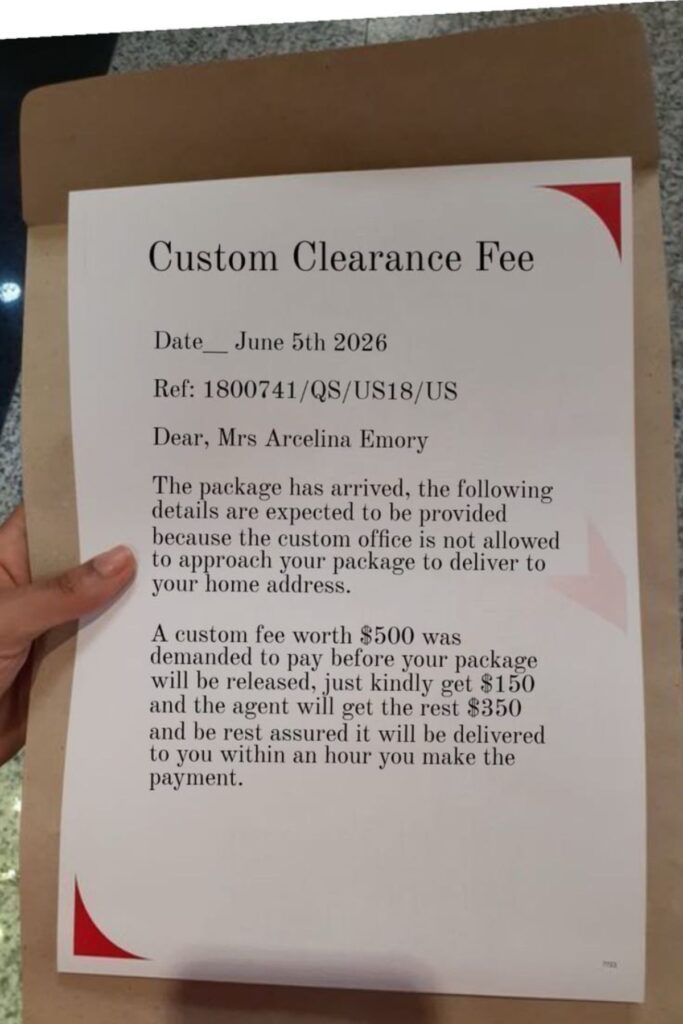
Bringing wedding decorations, favors, clothing, or specialty items across international borders can create unexpected expenses.
Certain countries may charge duties or taxes on imported goods. Customs rules can also vary depending on the item, quantity, and declared value.
If you plan to transport wedding supplies internationally, research the destination’s customs requirements first.
Ask your planner or venue whether local sourcing would be easier. Shipping items ahead can also create additional freight, customs, storage, and handling charges.
This is one of the hidden costs of destination weddings because couples may focus on the purchase price.
A $500 collection of decorations can cost considerably more after shipping and customs expenses.
Keep receipts and documentation for items you transport. If you use a shipping company, ask for a complete estimate that includes possible customs charges.
You should also determine who will receive the shipment and where it will be stored.
Shipping Wedding Decorations
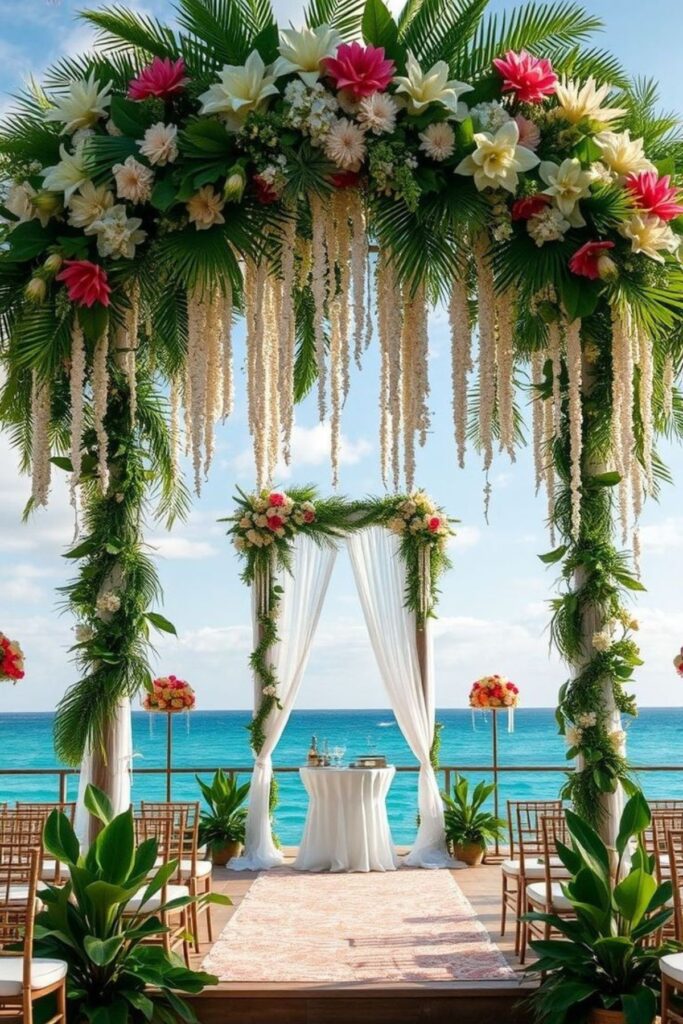
Wedding decorations can become expensive to transport, especially when they are large, fragile, or heavy.
Signs, candles, favors, table numbers, ceremony accessories, and specialty décor can quickly fill multiple boxes.
Shipping those items adds another layer of cost. You may need packaging materials, insurance, freight charges, and destination delivery fees.
Some venues also charge handling or storage fees for packages delivered before the wedding. Ask the venue about its package policy before shipping anything.
Find out how early they accept deliveries and whether someone must be available to receive them.
This is another of the hidden costs of destination weddings because shipping expenses can appear after you have already purchased the decorations.
Compare shipping costs with local rental prices. You may discover that renting similar items locally costs less than transporting your own.
Currency Exchange Fees
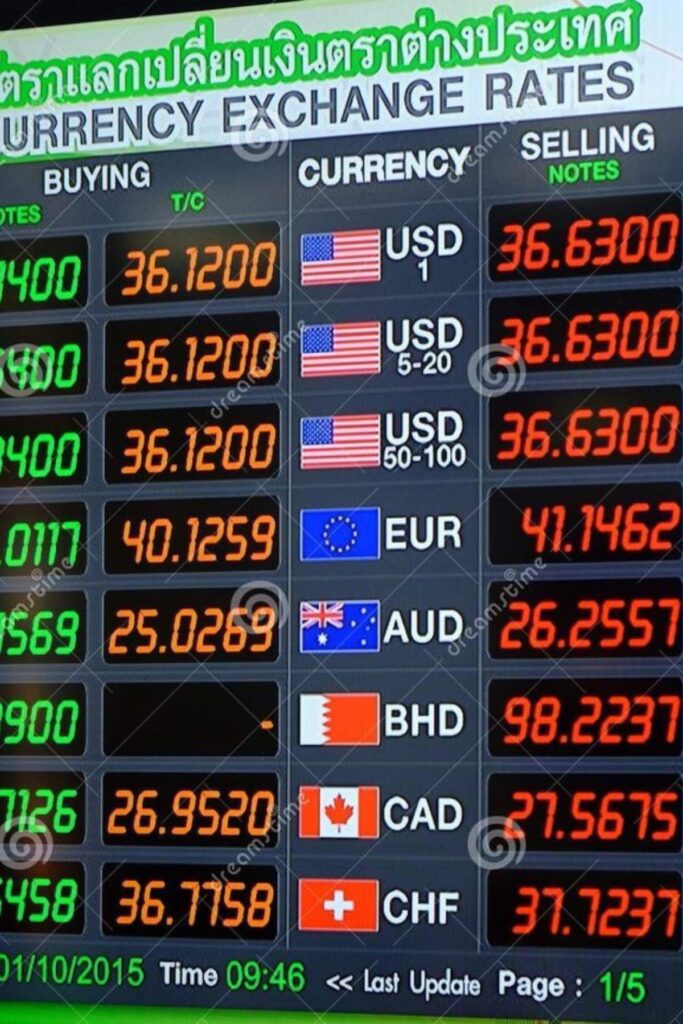
International destination weddings can involve several currency conversion costs.
Your bank, credit card provider, or local ATM may charge fees for foreign transactions or currency withdrawals.
Exchange rates can also change between the time you budget and the time you actually pay.
Before traveling, check your bank’s current foreign transaction policies. Find out whether your credit card charges additional fees for international purchases.
You should also understand how your card handles currency conversion. This is one of the hidden costs of destination weddings because individual fees may look tiny.
Several small charges across hotels, restaurants, taxis, and activities can become noticeable by the end of the trip.
If you need local currency, compare your options before exchanging money. Airport currency counters may not always offer the most favorable rates.
You should also avoid carrying more cash than you reasonably need. Create a small buffer in your travel budget for exchange-rate changes.
That way, a slightly unfavorable rate does not immediately disrupt your plans.
Resort Minimum Spending Requirements

Some destination venues require couples to meet minimum spending levels. These requirements can apply to food, drinks, rooms, events, or other services.
A venue may look affordable initially while requiring a minimum amount that changes the overall cost.
Ask about minimum spending requirements before signing the contract. Request the details in writing so you understand exactly what counts toward the minimum.
For example, guest room charges may not automatically count toward a food and beverage requirement.
This is one of the hidden costs of destination weddings because couples can misunderstand what the venue considers part of the package.
You should also ask what happens if your final guest count falls below expectations. Could you still be responsible for the minimum?
If so, build that possibility into your budget. Compare venues using their complete financial requirements rather than their headline package price.
A slightly more expensive package with fewer restrictions could provide better value.
Do not be afraid to ask detailed questions during negotiations.
Service Charges And Gratuities

Service charges and gratuities can add considerably to destination wedding expenses.
Catering contracts may include service fees, while transportation, beauty services, bartenders, and other vendors may expect tips.
The challenge is knowing which charges are already included. Read contracts carefully and ask vendors to explain every service fee.
You should also ask whether gratuities are optional, expected, or already included.
This is another example of the hidden costs of destination weddings because couples may budget for the quoted service without considering the final amount.
Create a separate gratuity category in your wedding budget. If several vendors deserve tips, the combined amount can become significant.
Your planner can help you understand common local practices.
However, you should still review your contracts because vendor policies can differ. Prepare envelopes or digital payments ahead of the wedding if appropriate.
That keeps tipping organized and prevents you from scrambling for cash during the reception.
Wedding Insurance

Wedding insurance may become another expense, but it can protect you against certain unexpected problems.
Depending on the policy, coverage may address issues involving cancellation, postponement, weather, vendor problems, or other specific situations.
Destination weddings can involve additional travel and weather risks, so insurance deserves consideration.
Before purchasing a policy, read the coverage carefully. Pay attention to exclusions, destination restrictions, weather provisions, and vendor requirements.
This is one of the hidden costs of destination weddings because insurance may feel unnecessary until something goes wrong.
However, the policy only helps if the situation actually qualifies under its terms. Ask questions before buying rather than assuming every problem will be covered.
You should also check whether your venue or vendors already carry their own insurance. Their coverage does not necessarily protect your financial deposits.
Compare policies based on coverage rather than choosing the cheapest option.
A small insurance expense may feel frustrating during planning, but it can provide financial protection against certain major losses.
Extra Wedding Dress And Attire Costs

Destination weddings can create additional clothing expenses that local weddings might not require.
You may need outfits for the rehearsal dinner, welcome party, ceremony, reception, farewell brunch, and other activities.
Accessories can increase the total further. Shoes, jewelry, handbags, shapewear, cover-ups, and travel-friendly clothing can all become separate purchases.
This is one of the hidden costs of destination weddings because couples often budget for the wedding outfit alone.
Guests can face the same problem.
If you are getting married somewhere hot, you may need lighter fabrics and different footwear. A cold-weather destination can require coats, boots, and additional layers.
Before shopping, list every event and decide which pieces can be reused.
One dress can sometimes work for several occasions with different accessories. You can also borrow accessories or shop your existing closet before buying something new.
For couples, consider whether formalwear needs to be transported professionally. A dress box, garment bag, steaming service, or alteration can add to the total.
Plan these expenses early rather than discovering them during the final weeks.
Beauty Services And Trial Appointments

Hair and makeup costs can increase at destination weddings. You may need travel fees, early morning appointment charges, trial sessions, or additional services.
Some beauty professionals also charge extra for traveling between hotels and venues.
Ask for a complete price list before booking. Confirm whether the quote includes travel, lashes, extensions, touch-ups, trials, and taxes.
This is another example of the hidden costs of destination weddings because the advertised beauty package may exclude several services.
A trial can also become more complicated when you are working with a local professional.
If possible, schedule the trial early enough to make changes if you are unhappy with the result. You should also consider whether you genuinely need every beauty service.
Perhaps you want professional makeup but can style your own hair. Or maybe you can skip the trial because you already know the stylist’s work well.
Meals Outside The Wedding Events

Wedding packages may cover certain meals while leaving guests and the couple responsible for others.
Welcome dinners, farewell brunches, rehearsal meals, vendor meals, and casual lunches can add up quickly.
Couples sometimes forget to budget for their own meals during the days surrounding the wedding.
This is one of the hidden costs of destination weddings because the celebration may span several days.
Create a meal plan for the entire trip.
Identify which meals are hosted and which ones you will pay for personally. If you have a hotel kitchen or vacation rental, consider preparing simple breakfasts.
You can also recommend affordable restaurants to guests rather than assuming everyone will dine at expensive resorts.
Ask your venue whether vendor meals are included in catering contracts. Photographers, planners, musicians, and other vendors may work long hours and require meals.
Clarifying this before the wedding prevents unexpected catering charges.
Post-Wedding Storage And Shipping
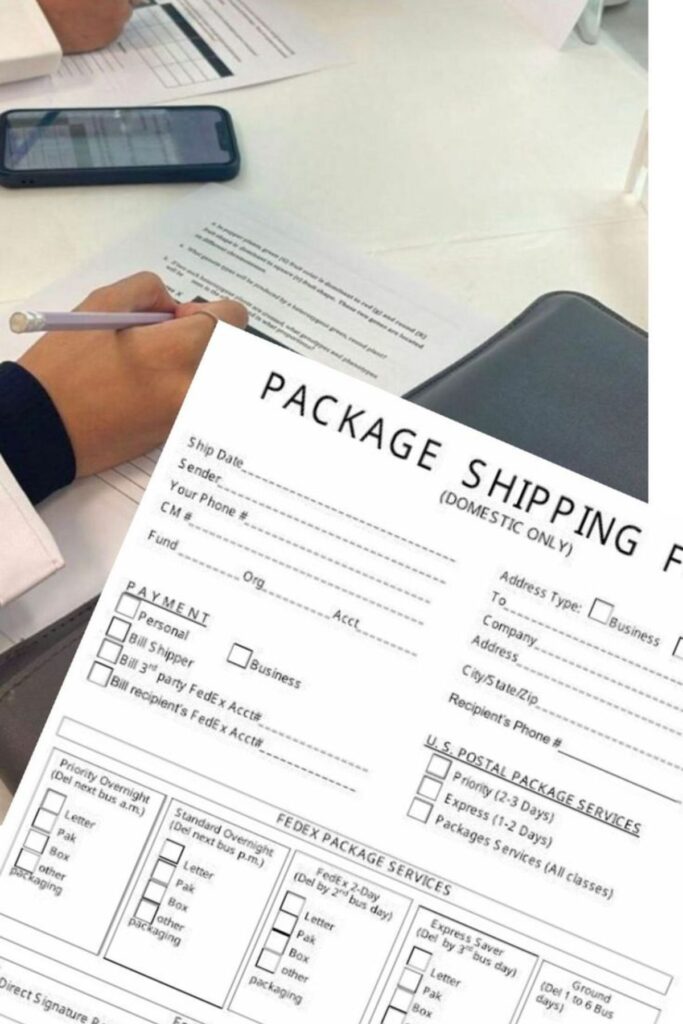
Your expenses may continue after the wedding ends.
You may have decorations, gifts, flowers, leftover stationery, personal items, and rental materials that need transportation home.
Shipping these items can become surprisingly expensive.
Before the wedding, decide what happens to everything after the celebration. Ask your venue whether they provide storage and whether storage fees apply.
Determine who will pack remaining items and how they will be transported. Some rental companies handle their own pickup, while others require you to return items.
This is another example of the hidden costs of destination weddings because couples often focus so heavily on arrival that they forget about departure.
If you have large decorations, consider donating or selling them locally when practical.
You may also choose to leave certain items behind rather than paying expensive shipping fees.
Tips

Tipping expectations can vary significantly by destination. Some places have different customs around tipping vendors, hotel staff, drivers, and service workers.
Couples who assume practices from home always apply may accidentally overspend or misunderstand local expectations.
Research local customs before traveling.
Ask your planner which vendors commonly receive tips and how much is customary. You can then build those amounts into your budget.
This is one of the hidden costs of destination weddings because tipping can involve many people throughout several days.
You may need to consider hotel staff, transportation providers, beauty professionals, catering teams, and other service workers.
Do not feel pressured to tip every person without understanding local practices. Your planner can help identify where gratuities are expected and where they are already included.
Keep cash organized if cash tipping is customary.