

The Biggest Guest Complaints About Destination Weddings
Disclosure: Some of the links in this post are affiliate links. This means if you click on the link and purchase an item, I will receive an affiliate commission at no extra cost to you.
Destination weddings can look like a dream from the couple’s side, but guests sometimes experience the trip differently. The biggest guest complaints can reveal small planning choices that create unnecessary stress during an otherwise joyful celebration.
A wedding can be beautiful while still leaving guests wishing a few things had been handled differently. Before booking your venue or sending those invitations, it helps to understand the biggest guest complaints about destination weddings.
The Biggest Guest Complaints About Destination Weddings
Too Little Notice For Travel Plans

Destination weddings require guests to arrange flights, accommodations, transportation, and sometimes passports or visas.
When invitations arrive too close to the wedding date, guests may struggle to find affordable options.
They may also need to request vacation time or arrange childcare before confirming attendance. The biggest guest complaints often begin before the wedding itself when people feel rushed into expensive travel decisions.
Giving guests plenty of advance notice can make planning much easier. It also shows that you understand the commitment they are making by traveling to celebrate with you.
Think about someone working a regular nine-to-five job who needs approval before taking several days off.
Now imagine that person also has children, pets, or other family responsibilities to coordinate. A last-minute invitation can turn an exciting wedding trip into a stressful puzzle.
Even guests without complicated schedules appreciate having time to compare flights and hotel rates.
Send save the dates as early as possible, particularly if the wedding requires international travel.
Include the destination and approximate wedding date so guests can start researching immediately.
Once your plans become firm, follow up with detailed information about accommodations and transportation. Early notice also helps guests decide honestly if the trip fits their budget.
Unexpectedly High Travel Costs

A destination wedding can become expensive long before guests arrive at the ceremony.
Flights, hotels, rental cars, meals, excursions, and baggage fees can quickly turn a wedding trip into a major expense.
Some guests may happily spend that money, while others may quietly worry about stretching their budgets.
The biggest guest complaints often involve costs that were unclear when they first accepted the invitation.
Being upfront about expected expenses gives people a realistic picture. Guests can then decide what works for them without feeling surprised after making their travel arrangements.
A wedding invitation may say, “We would love for you to join us,” but guests still need to know what joining actually involves financially.
A weekend away can easily become much more expensive than guests initially expect. Airfare might rise, hotel rates may change, and meals outside the wedding events can quickly drain a travel budget.
That does not mean couples should pay for everything, because destination weddings naturally involve shared expenses.
However, guests deserve a realistic idea of what they are signing up for before making commitments. If you are covering welcome dinners, transportation, or specific activities, explain those details clearly.
It also helps to mention the general price range for accommodations when possible. Guests can then decide whether the trip makes sense financially without feeling embarrassed about their budget.
The biggest guest complaints often come from surprises rather than the actual price itself.
Expensive Hotel Requirements

Some destination weddings encourage guests to stay at one particular resort or hotel, especially when couples have negotiated room blocks.
The problem begins when that property costs significantly more than nearby alternatives. Guests may feel trapped between paying a high rate and staying far away from the wedding events.
The biggest guest complaints can grow when accommodation choices feel limited. If possible, provide several lodging options across different price ranges.
Guests will appreciate having freedom to choose accommodations that fit their budgets, preferences, and travel plans.
A beautiful resort may be perfect for the couple, but it may not be realistic for every person on the guest list.
Someone might be attending with a partner, while another guest could be bringing children or traveling alone. Their accommodation needs and budgets can look completely different.
Hotel blocks are convenient because they keep guests close together, but they should not feel like a financial requirement.
If the preferred hotel has higher rates, consider sharing nearby alternatives that still provide convenient access to the wedding venue.
You can also explain the distance between each option and the main events. A hotel that costs less may become expensive if guests need daily rides across town.
Giving guests that information helps them compare the real cost rather than simply looking at the nightly rate.
The biggest guest complaints often arise when guests feel they had no reasonable choice. A few accommodation options can remove that feeling while making the trip more accessible.
Complicated Transportation

Getting around an unfamiliar destination can become stressful when transportation information is unclear.
Guests may wonder where shuttles leave, how often they run, or what happens if someone misses one.
Rental cars can also create problems when parking is limited or local driving conditions feel unfamiliar.
The biggest guest complaints often involve transportation because one missed ride can disrupt an entire evening. Provide clear pickup locations and schedules before guests arrive.
If transportation changes, communicate those updates quickly so nobody ends up standing outside a hotel wondering what happened.
Transportation may sound like a minor detail during wedding planning, but guests experience it very differently.
They may arrive tired after several hours of travel and have no idea where to find their driver. If the instructions simply say “shuttle available at the hotel,” confusion can begin immediately.
Give guests specific pickup locations, estimated departure times, and contact information for someone who can help.
If several hotels are involved, explain which properties have shuttle service and which require guests to arrange their own transportation.
It is also smart to think about the end of the evening. Guests may know how to get to the wedding but have no idea how they will return to their hotels after the reception.
Nobody wants to stand outside in formal clothes at midnight hoping a ride appears. The biggest guest complaints can often be prevented with a simple transportation plan.
Too Many Mandatory Activities

Guests may love spending time with the couple, but they also need some personal space during a destination wedding.
Packing every morning, afternoon, and evening with required events can make the trip feel like a work conference.
Guests might want to sleep late, visit the beach, explore the area, or simply enjoy their hotel room.
The biggest guest complaints can surface when people feel they have no control over their own vacation time.
Keep some activities optional and leave open periods between major wedding events. That balance lets guests enjoy both the wedding and destination.
A destination wedding already requires guests to give up valuable vacation days, so every hour does not need to belong to the wedding schedule.
Some guests will be excited about every planned activity, while others may prefer a quiet morning before getting dressed for dinner.
Consider how the weekend feels from a guest’s perspective. They may have flown in Thursday, attended a welcome dinner Friday, joined an excursion Saturday morning, and then prepared for the ceremony later that afternoon. By Sunday, they might be completely worn out.
The biggest guest complaints often involve feeling obligated to attend everything. Even well-intentioned couples can create this pressure when every event appears on the itinerary as though attendance is expected.
Instead, separate essential events from optional activities. Use clear language so guests understand which gatherings truly matter and which ones are simply opportunities to spend time together.
Leaving free hours can actually make the wedding weekend feel more enjoyable. Guests can choose what interests them, rest when needed, and arrive at important events feeling refreshed rather than exhausted.
Poor Communication Before The Wedding

Guests need reliable information before they travel, especially when the wedding takes place somewhere unfamiliar.
They may have questions about airport transfers, hotel check-in, dress codes, weather, meals, and scheduled events.
If answers arrive slowly or change repeatedly, frustration can build quickly. The biggest guest complaints often involve communication because uncertainty makes travel feel harder than necessary.
A wedding website can keep important details in one place, while a designated contact can handle urgent questions. Clear information helps guests feel prepared instead of constantly chasing answers.
Imagine receiving three different emails with three different versions of the same schedule. One says the welcome dinner begins at six, another says seven, and someone mentions eight in a group text..
Communication should feel simple and consistent from the beginning. Create one central location for the latest wedding information, then update it whenever something changes.
Include practical details that guests might otherwise hesitate to ask about. Explain airport transfers, hotel check-in, transportation, attire, event locations, and meal arrangements.
If something is still being finalized, say so rather than giving guests information that may change tomorrow.
The biggest guest complaints can often be traced back to uncertainty. People generally handle changes better when they receive clear explanations and enough notice.
Confusing Dress Codes

Destination weddings can make dress codes surprisingly complicated because guests may not know what suits the location.
A beach ceremony requires different footwear than a formal ballroom celebration, while a mountain venue may bring cooler temperatures.
Words like “resort formal” or “beach chic” can also leave guests wondering what those phrases actually mean.
The biggest guest complaints can include dress code confusion when guidance feels too vague. Give guests practical examples and mention the expected level of formality.
Adding weather and footwear suggestions can also save someone from packing completely wrong.
Guests want to look appropriate, but they also want to feel comfortable in an unfamiliar setting. A dress code that sounds obvious to the couple may leave someone searching online for pictures and explanations.
Consider giving specific examples instead of relying on trendy phrases. If the wedding is beach formal, mention suitable dress lengths, fabrics, shoes, and suit options.
If the reception takes place outdoors, tell guests whether heels might be difficult on sand or grass.
Weather information can also make a huge difference. A guest traveling from a cooler state may have no idea how warm the destination will feel during an outdoor ceremony.
You can place these details on your wedding website and repeat the most important information on the invitation. That way, guests have something useful to reference while packing.
Food Options That Ignore Dietary Needs

Food can become a major source of frustration when guests with allergies or dietary restrictions have limited choices.
Someone traveling several hours should not discover at dinner that they can only eat the side salad.
Couples do not need to create an entirely separate menu for every guest, but they should communicate dietary needs with the catering team.
The biggest guest complaints often feel especially personal when someone believes their needs were forgotten.
Ask about restrictions ahead of time and make the available choices clear. Good food should help guests celebrate, rather than create another concern.
Food is one of those wedding details guests may remember long after the flowers have disappeared.
A delicious meal can become part of the fun, while poor planning can leave someone hungry during an otherwise beautiful reception.
Include a simple dietary question on your RSVP so guests have an easy way to share allergies or restrictions. Then pass that information along to the catering team well before the wedding weekend.
You do not need to create an elaborate menu for every individual guest. However, there should be thoughtful alternatives for common needs, including vegetarian, vegan, gluten-free, and allergy-related requests.
The biggest guest complaints often happen when guests feel they were asked about their needs but nothing was done with the information.
Communication between the couple and catering team matters just as much as the menu itself.
It can also help to tell guests how their dietary needs will be handled. Knowing that a suitable meal has been planned can remove anxiety before they arrive.
Little Consideration For Older Guests

Destination weddings can be physically demanding for older relatives, especially when venues require long walks, stairs, or complicated transportation.
A packed itinerary can also become exhausting for guests who need more time to rest.
The biggest guest complaints may come from family members who feel forgotten when plans favor younger guests.
Consider accessibility, seating, transportation distances, and reasonable breaks when planning the weekend.
Small accommodations can make a major difference without changing the overall celebration. Your grandparents and older relatives should feel included rather than treated like an afterthought.
Older guests may be just as excited about the destination as everyone else, but their experience can change dramatically based on simple physical details.
A venue that seems like a five-minute walk to you may feel much longer after several hours of travel.
Think about seating, stairs, elevators, transportation, bathroom access, and the distance between event spaces.
If guests need to walk across uneven ground, mention that beforehand so they can plan accordingly.
The biggest guest complaints can sometimes come from feeling that nobody considered their comfort.
That feeling is easy to prevent when you ask the right questions before finalizing the itinerary.
A destination wedding should bring family together, so it is worth thinking about the people who may need a little extra consideration.
Scheduling Events Too Close Together
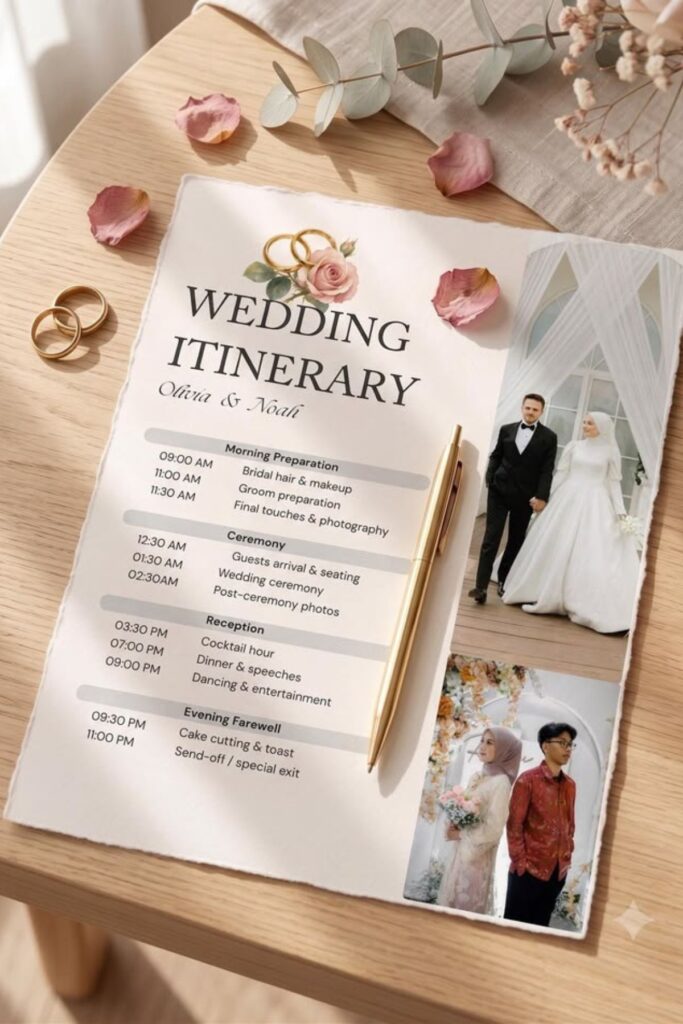
A destination wedding weekend can become exhausting when events are scheduled with barely enough time to move from one place to another.
Guests may need to change clothes, travel across town, eat, or simply catch their breath between activities. When there is no cushion, even a small delay can create chaos.
The biggest guest complaints can involve feeling rushed from one event to another. Leave realistic gaps between major activities, especially when transportation is involved.
Guests will appreciate having enough time to freshen up and arrive without feeling like they are racing the clock.
Wedding schedules can look perfectly reasonable on paper while becoming completely different once guests are actually moving around.
A thirty-minute gap might seem generous until everyone needs to return to the hotel, change clothes, find transportation, and reach another venue.
Remember that guests are not working from your detailed production schedule. They may not know shortcuts, parking areas, or the fastest route between locations.
The biggest guest complaints can happen when guests constantly feel late, rushed, or behind schedule. Even small delays can become stressful when there is no extra time built into the itinerary.
Try creating comfortable gaps between major events, particularly when guests need to travel. If dinner starts at seven, for example, avoid ending another major activity at six-thirty across town.
You should also consider the time needed for meals and rest. Guests who are hungry, tired, or rushing through the weekend will naturally enjoy themselves less.
A little breathing room can make the entire schedule feel smoother. It gives guests enough time to move between events without turning every transition into a race.
Making Guests Pay For Every Activity
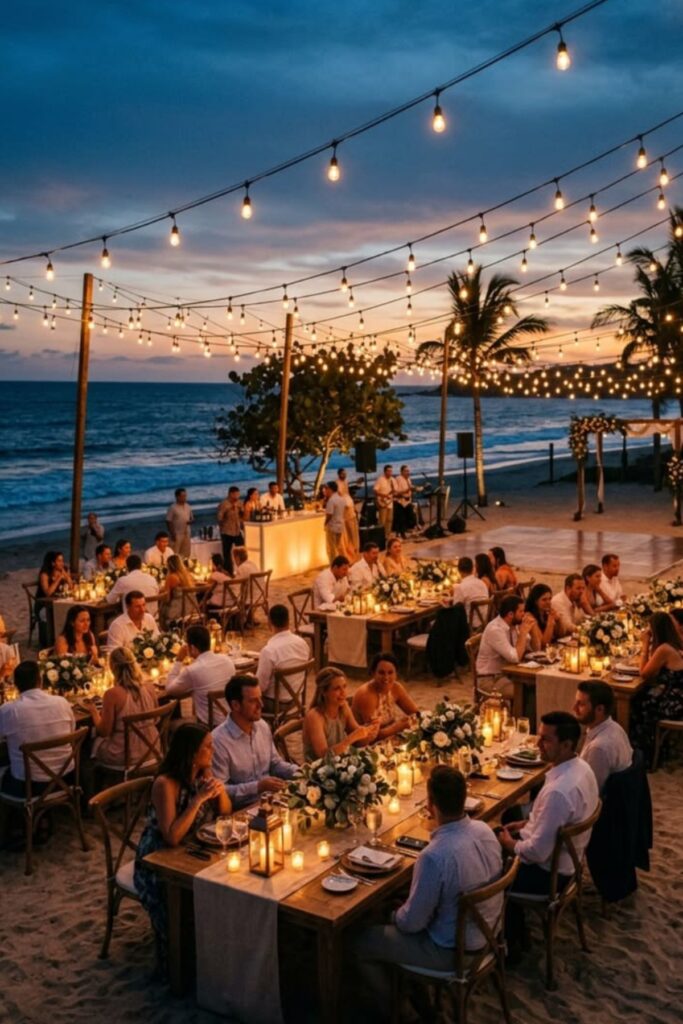
Destination weddings already require travel expenses, so additional activity fees can quickly become uncomfortable.
A couple may be excited about a private excursion, but not every guest will want to spend another few hundred dollars.
The biggest guest complaints can arise when guests feel pressured to keep paying throughout the weekend. If an activity has a cost, make that clear before guests commit.
Consider offering at least one enjoyable activity that does not require additional spending. Guests will appreciate having fun options without constantly reaching for their wallets.
It is easy for couples to get carried away once they choose an exciting destination. A private boat tour, fancy dinner, resort activity, or guided excursion can sound like a perfect way to entertain everyone.
The catch is that guests may already be spending heavily on airfare and accommodations. Adding several paid activities can make the wedding weekend feel financially overwhelming.
The biggest guest complaints often involve pressure rather than the activity itself. Guests may enjoy an expensive excursion if they choose it freely, but they can feel uncomfortable when declining seems rude.
If you are planning paid activities, make the cost clear from the beginning. Give guests enough information to decide if they want to participate without feeling embarrassed about saying no.
It can also be thoughtful to include some free alternatives. A casual beach gathering, picnic, welcome reception, or relaxed breakfast can give everyone something enjoyable without another charge.
Forgetting That Guests Need A Vacation Too

The couple may see the destination wedding as the main event, but guests often see it as part wedding and part vacation.
They have traveled to a new place, possibly using valuable vacation days and spending significant money.
If every moment revolves around scheduled wedding activities, they may leave without experiencing the destination itself.
The biggest guest complaints often appear when guests feel they never had time to enjoy where they traveled.
Give them recommendations for local attractions and restaurants, while leaving enough free time for personal adventures. A little freedom can make the trip much more enjoyable.
Your guests did not simply travel across the country or overseas to sit inside a hotel ballroom all weekend.
They chose to come because they care about you, but they may also be excited about experiencing somewhere new.
That could mean trying a local restaurant, visiting a landmark, relaxing on the beach, shopping downtown, or simply sleeping late without an alarm.
Those experiences can become part of the memories they associate with your wedding.
The biggest guest complaints often happen when guests return home feeling like they saw nothing beyond the venue and hotel.
That can be disappointing, particularly when they spent several days and significant money making the trip.
You do not need to organize sightseeing for everyone. Instead, give guests helpful recommendations and enough free time to choose their own adventures.





One Comment