

Wedding Dress Mistakes That Show Up in Every Photo
Disclosure: Some of the links in this post are affiliate links. This means if you click on the link and purchase an item, I will receive an affiliate commission at no extra cost to you.
Your wedding dress can look flawless in the fitting room, yet photographs can reveal details you barely noticed before. Wedding dress mistakes can affect the way your gown fits, moves, photographs, and feels throughout the celebration.
A tiny wrinkle, misplaced accessory, or uncomfortable fit may seem harmless during a busy wedding day. However, photographs capture those details from countless angles, which means small problems can become surprisingly noticeable later.
That makes it worth knowing which wedding dress mistakes can follow you into nearly every photograph.
Wedding Dress Mistakes That Show Up in Every Photo
Choosing A Dress That Does Not Fit Properly
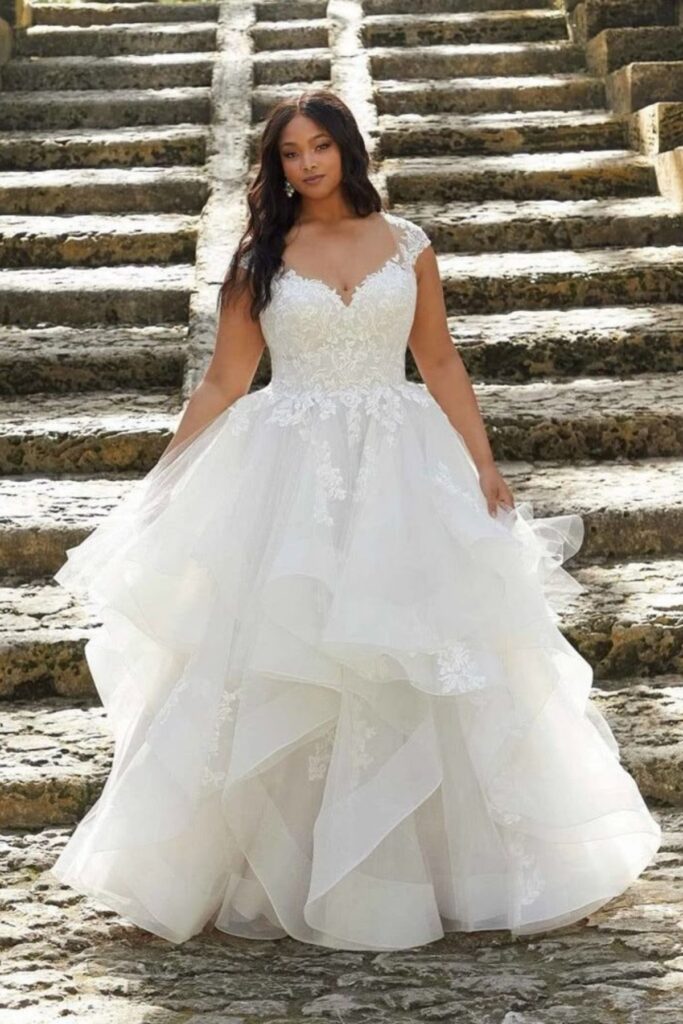
A dress that fits beautifully can make you feel confident, while poor fitting can affect almost every photograph. Extra fabric may bunch around the waist, while a tight bodice can create visible pulling.
The problem becomes more noticeable when you sit, walk, dance, or raise your arms. Your dress may look perfect while standing still, but photographs capture plenty of movement.
Schedule your final fitting close enough to the wedding that your measurements remain current. Bring the shoes and undergarments you plan to wear because they can change how the gown sits.
Walk around the fitting room and sit down before approving the final alterations. Raise your arms and bend slightly because your photographer will capture those movements naturally.
Ask someone you trust to photograph you from several angles during the fitting. Phone pictures can reveal issues that mirrors sometimes hide.
Among common wedding dress mistakes, poor fit deserves serious attention because it affects both appearance and comfort. A well-fitted gown should support your movement instead of making you constantly adjust yourself.
Ignoring How The Dress Looks From Behind
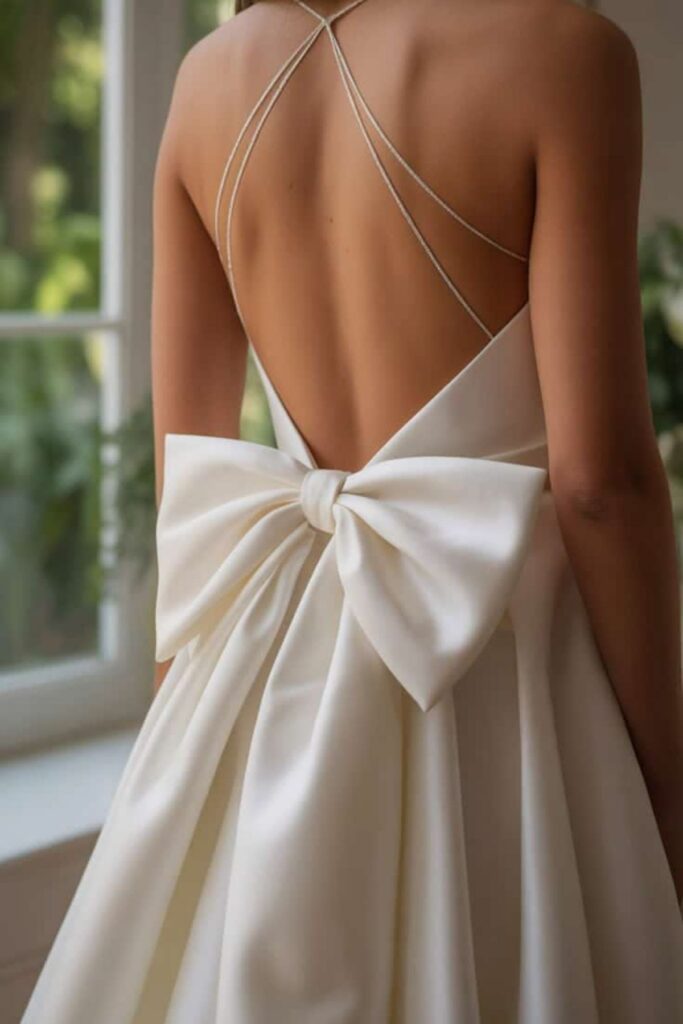
Many brides spend considerable time choosing the front of their gown while forgetting how often photographers capture the back.
Your guests will see your back during the ceremony, and photographers frequently capture that view.
Back details can include buttons, lace, a low neckline, a train, or intricate embroidery. If the fabric sits awkwardly, photographs can make the problem more noticeable.
Your veil can also change how the back appears. A veil that bunches, twists, or sits unevenly can distract from otherwise beautiful gown details.
Ask your bridal consultant to show you photographs from behind during your fitting. Turning around in a mirror is helpful, although photographs often provide a more realistic perspective.
You should also practice walking while someone photographs you from behind. This can reveal whether the train moves smoothly or catches in an awkward position.
These wedding dress mistakes can be especially noticeable during ceremony photographs. Your photographer may spend several minutes capturing you walking down the aisle or greeting guests afterward.
Your gown deserves attention from every angle because your wedding album will contain far more than front-facing portraits.
Wearing The Wrong Undergarments
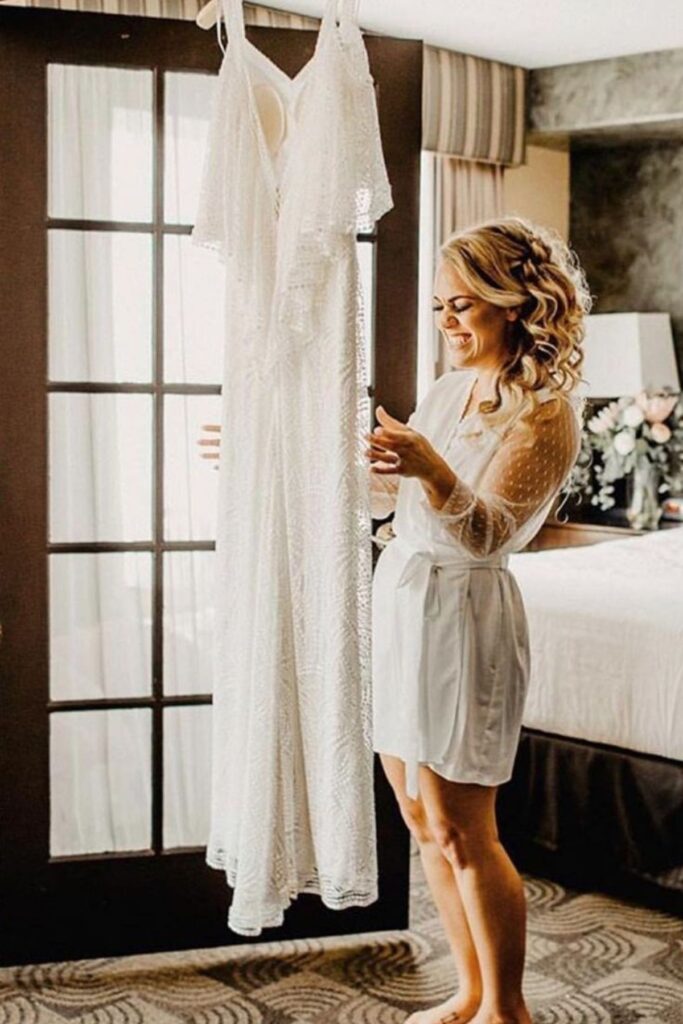
The wrong undergarments can create lines, bumps, straps, or shadows that photographs easily reveal. Even expensive gowns cannot hide everything beneath the fabric.
Your bra should work with the neckline, back, and structure of your dress. Visible straps can become especially obvious when photographers use flash or bright natural light.
Shapewear can also create problems if the edges show beneath a fitted gown. Choose pieces that support your dress without creating visible lines.
Bring your actual undergarments to every fitting rather than testing the gown with whatever happens to be available. This gives your seamstress a better idea of how the fabric sits.
You should also test your undergarments while moving. Sit, walk, dance, and bend because wedding photographs capture those moments too.
If your dress requires special support, discuss options with your seamstress before making a purchase. Sometimes the gown itself can provide enough structure without additional pieces.
Among wedding dress mistakes, unsuitable undergarments are particularly frustrating because they can be avoided with simple preparation.
Forgetting To Steam The Dress
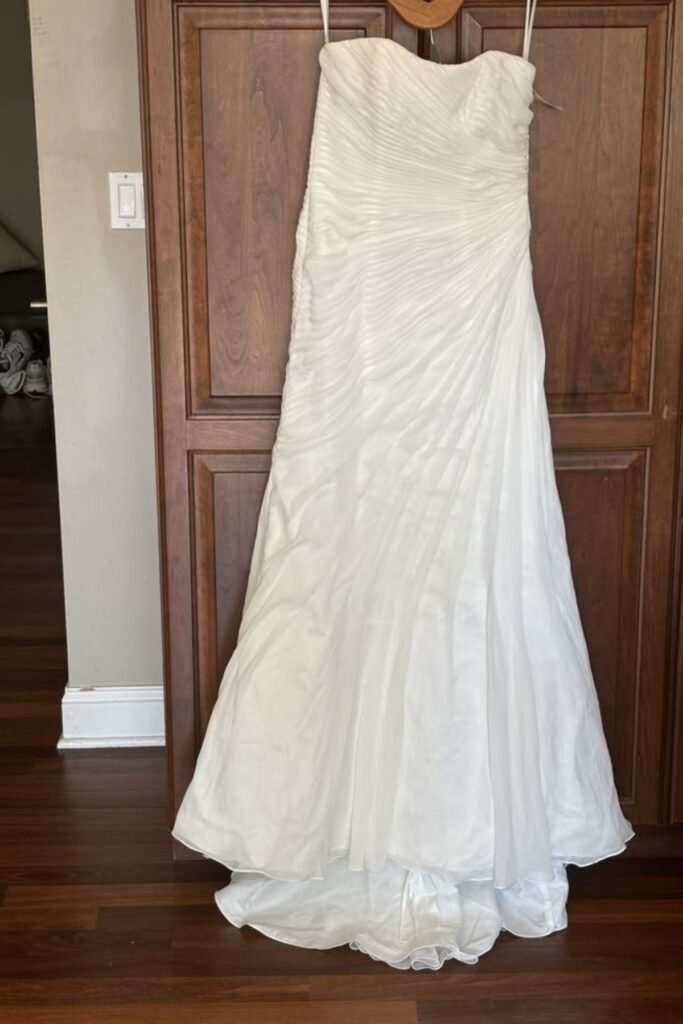
Wrinkles may seem like a small issue until your photographer captures a close-up of your gown. Fabric creases can become surprisingly visible, particularly on satin, silk, and other smooth materials.
Your dress may arrive folded or packed, which can create wrinkles before you even put it on. Transportation can also create additional creases.
Do not assume hanging the gown overnight will remove everything. Some fabrics need professional steaming to look their best.
Ask your bridal boutique about the correct method because certain materials require special care. Someone experienced with wedding gowns should handle delicate fabrics.
Steam the dress before photographs begin, including the train and veil. Pay attention to areas that bend during transportation, such as the waist and sleeves.
Your photographer may edit minor wrinkles, although heavy creasing can require additional retouching. Preventing the problem is much easier than fixing hundreds of photographs later.
Wedding dress mistakes involving wrinkles can appear throughout the entire album because your gown remains visible in almost every image. A few minutes of steaming can make a significant difference.
Choosing A Train That Becomes Difficult To Manage
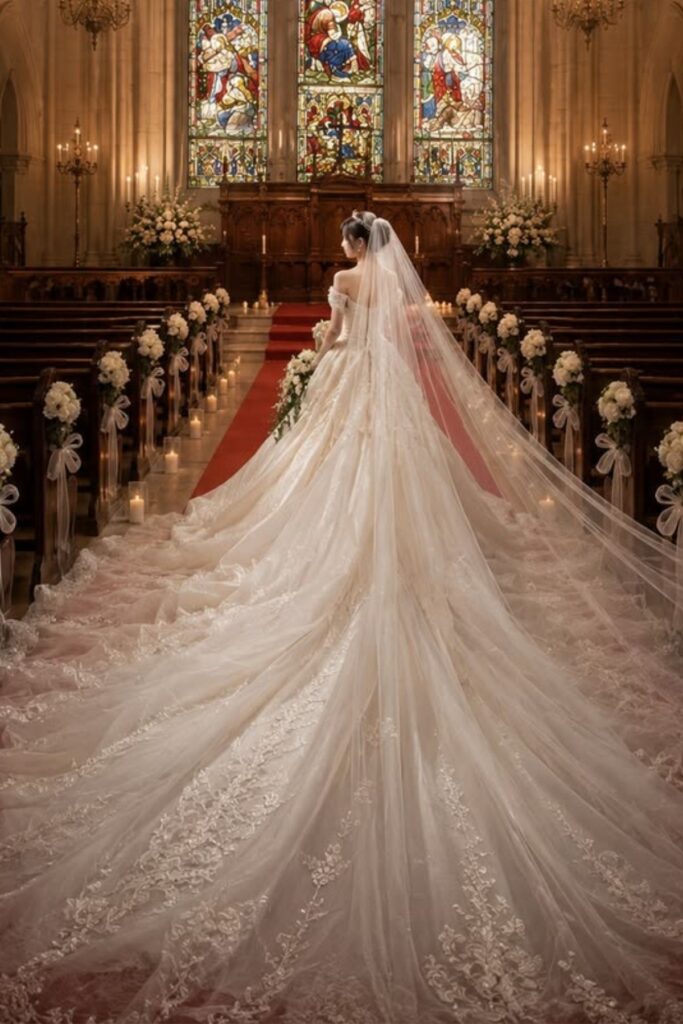
A dramatic train can look spectacular in photographs, although an extremely long train can become difficult during the actual wedding. It may catch on chairs, collect dirt, or require constant assistance.
Your photographer may want photographs with the train spread beautifully across the sand or floor. However, the train needs to be manageable between those planned portraits.
Practice walking with your train before wedding day. Your maid of honor or designated helper should also know how to bustle it properly.
A bustling system can make reception activities much easier. You will probably want to dance, visit guests, and move around without dragging several feet of fabric behind you.
Your venue should also influence the train length. A beach, garden, ballroom, and historic venue create different practical conditions.
Wedding dress mistakes involving trains often happen because brides choose dramatic designs without considering movement.
There is nothing wrong with a statement train, but you should know how it behaves outside the fitting room.
Your photographs should show the beauty of your gown, not the struggle required to move it from one table to another.
Wearing Shoes That Change The Dress Length
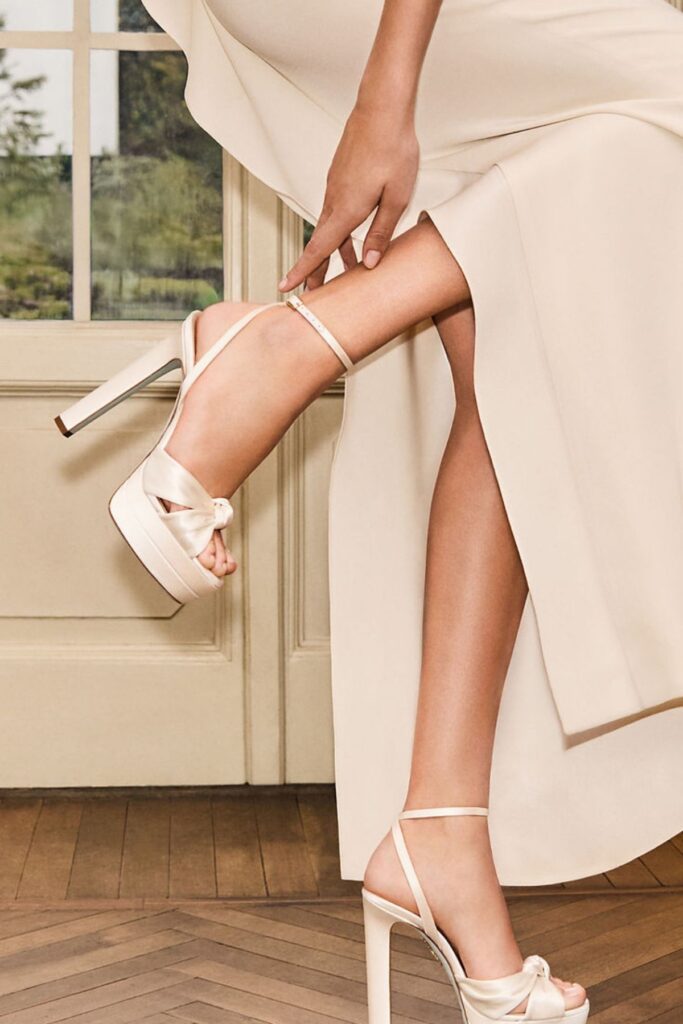
Your wedding shoes can change the entire position of your gown. A different heel height can make the hem appear too long or too short.
If your dress was altered while wearing high heels, switching to flats can create a dangerous dragging hem. The opposite can happen when you choose taller shoes later.
Bring your actual wedding shoes to your final fittings. This gives your seamstress the correct height for the hemline.
You should also consider your reception footwear. If you plan to change into sneakers, sandals, or flats, ask how the dress will look afterward.
Practice walking in the actual shoes before wedding day. Your comfort matters because you may spend several hours standing and moving around.
Photographs can make an uneven hem surprisingly obvious, particularly in full-length portraits.
The problem can become even more noticeable when the bride stands beside attendants wearing coordinated footwear.
Among wedding dress mistakes, incorrect shoe height is easy to prevent. Choose your shoes early, bring them to fittings, and decide when you plan to change them.
Overloading The Dress With Accessories
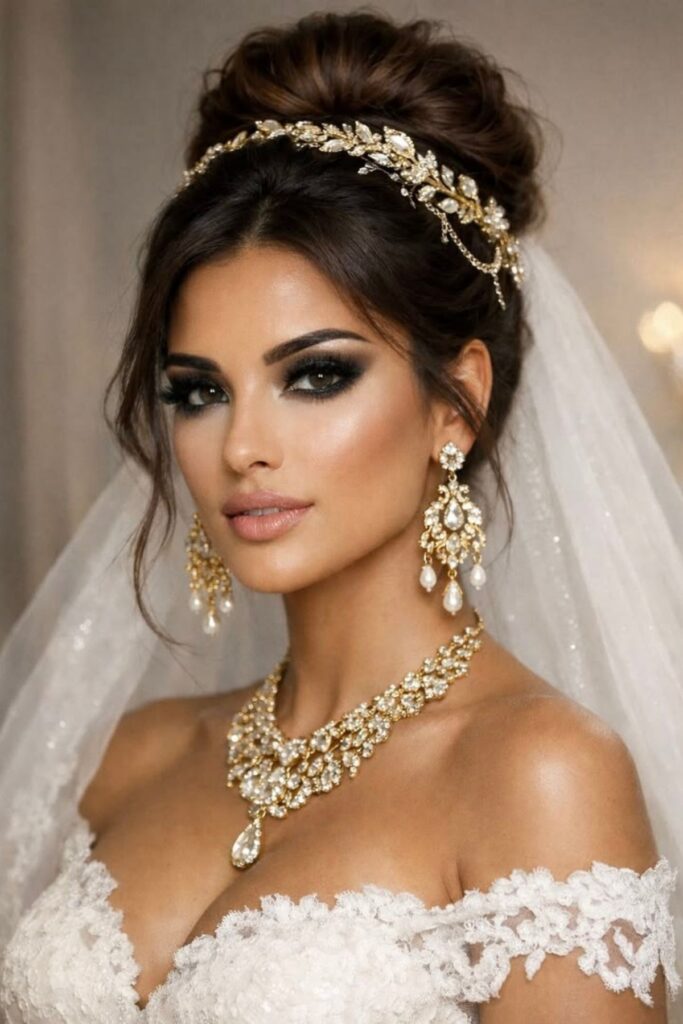
Accessories can complete a wedding look, although too many competing details can distract from the gown.
Large earrings, dramatic necklaces, elaborate veils, bracelets, belts, and hairpieces can quickly become overwhelming.
Your dress already has its own visual personality. Adding every accessory you love may make photographs look busier than expected.
Consider the neckline before choosing a necklace. A detailed neckline may look better without additional jewelry around the same area.
Your veil also deserves attention because it can become a major part of your photographs. Make sure it complements the gown instead of hiding important details.
Try the complete look during your final fitting. Put on the shoes, veil, jewelry, hair accessories, and any other pieces you plan to wear.
Take photographs from several distances because accessories can look different in close-ups and full-body images.
Wedding dress mistakes involving accessories usually happen because each item looks beautiful individually. The finished outfit may tell a different story when everything appears together.
A little restraint can make your gown look more expensive and polished. Your accessories should support the dress rather than compete for attention.
Choosing Fabric Without Considering The Venue
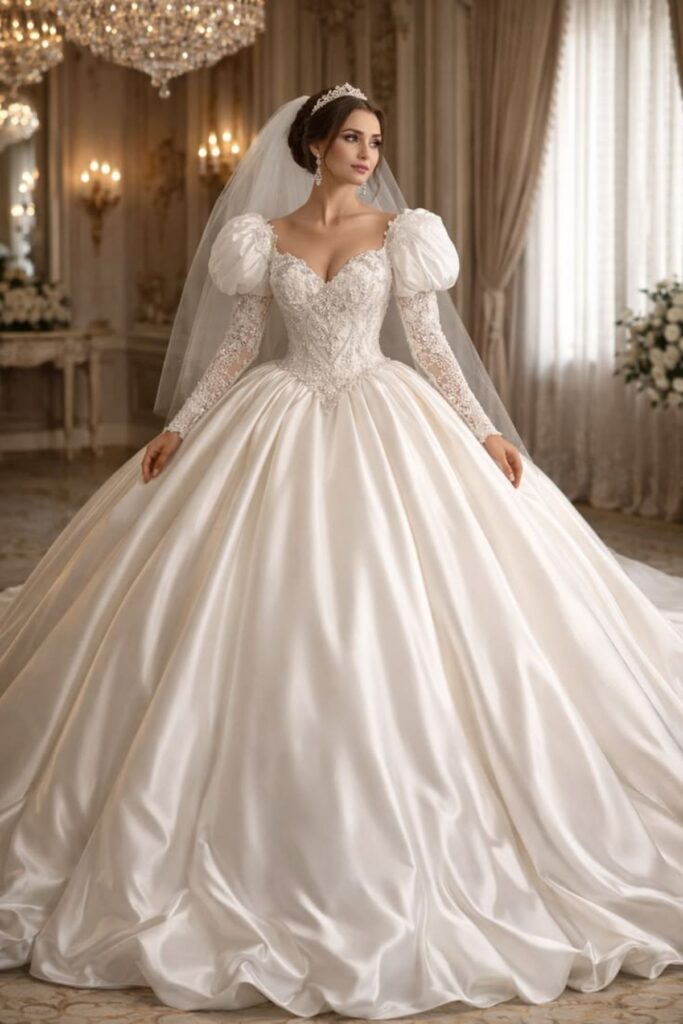
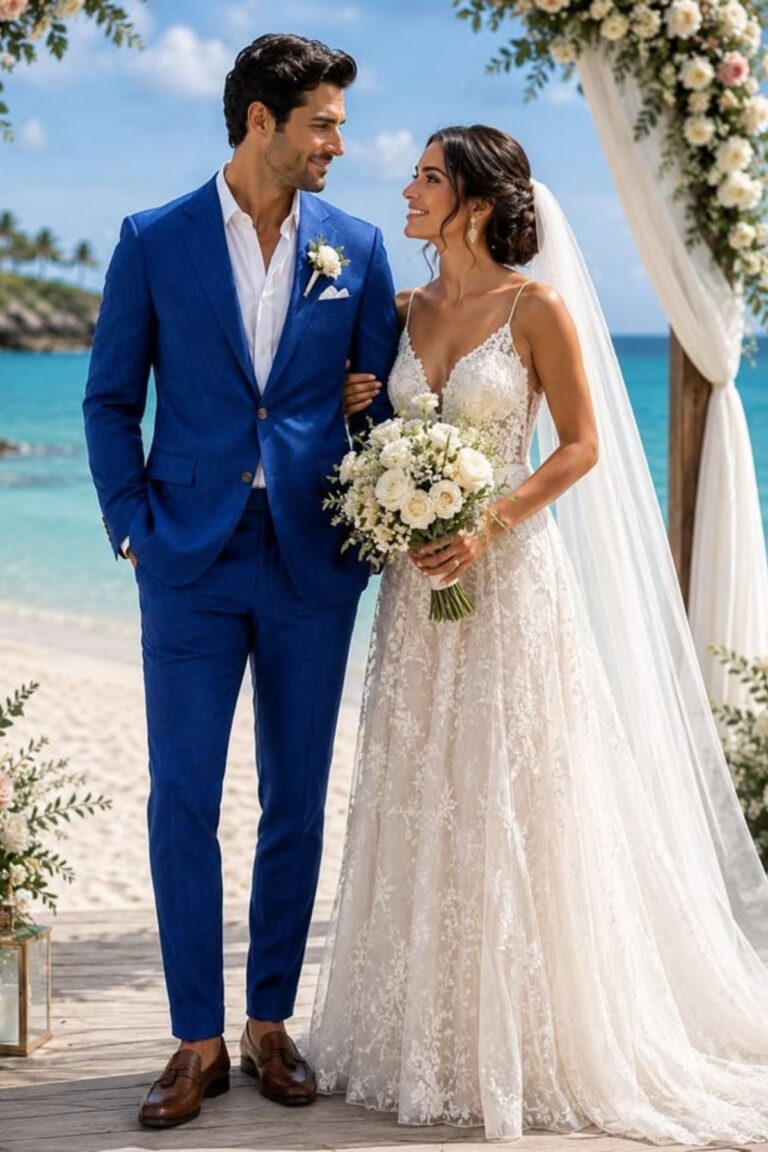
Your venue can affect how your wedding dress looks in photographs. A heavy satin gown may photograph beautifully indoors but feel uncomfortable during a warm outdoor celebration.
Beach weddings can involve heat, wind, sand, and humidity. Garden weddings may involve grass and uneven surfaces, while winter venues can require warmer fabrics.
Think about where you will spend most of the day before choosing your gown. Your dress should make sense for the actual conditions.
Lightweight fabrics can provide easier movement during warm-weather celebrations. Structured gowns may offer a more formal appearance but can feel heavier during long events.
Fabric also affects how photographs capture movement. Flowing materials can create beautiful motion during outdoor portraits, while structured fabrics may produce sharper silhouettes.
You should also consider how the fabric reacts to wrinkles. Some materials crease easily, while others maintain a smoother appearance.
These wedding dress mistakes can happen before the dress even reaches the wedding venue. Choosing a gown based only on appearance can leave you uncomfortable later.
Think about the entire experience rather than the fitting-room moment. Your dress should look beautiful while still making sense for the place where you will wear it.
Choosing A Veil That Constantly Fights The Dress
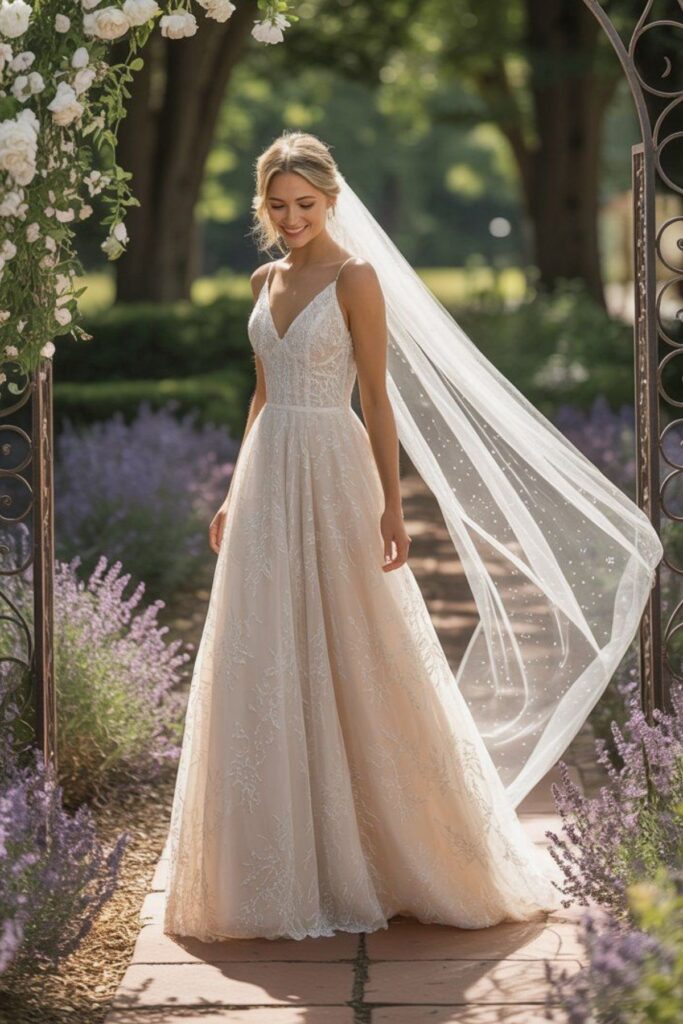
A veil can create stunning photographs, although the wrong length or fabric can overwhelm your gown. It may also become difficult to control when wind enters the picture.
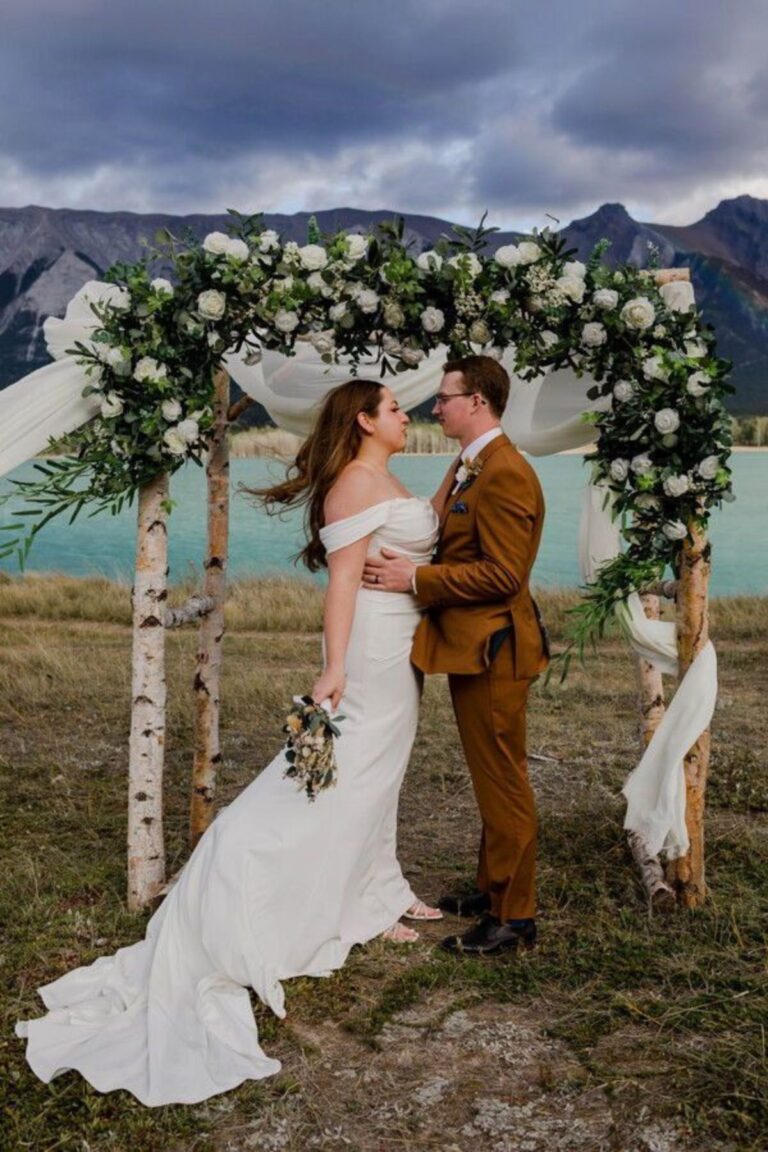
Outdoor weddings create additional challenges because breezes can move lightweight veils unexpectedly. A veil can cover your face, twist around your arm, or hide dress details.
Try your veil with the complete gown before wedding day. Walk around while someone photographs you from different angles.
Think about the ceremony location as well. A long cathedral veil may look dramatic indoors but become harder to manage on a windy beach.
Your hairstyle can also affect how securely the veil stays in place. Discuss the attachment method with your hairstylist before finalizing the look.
If your venue is outdoors, bring a backup plan for strong wind. You may decide to remove the veil after the ceremony and enjoy more freedom during the reception.
Wedding dress mistakes involving veils can become especially noticeable because photographers often capture them in motion. The right veil should complement the gown rather than constantly competing with it.
Forgetting To Check The Hem Before Photos
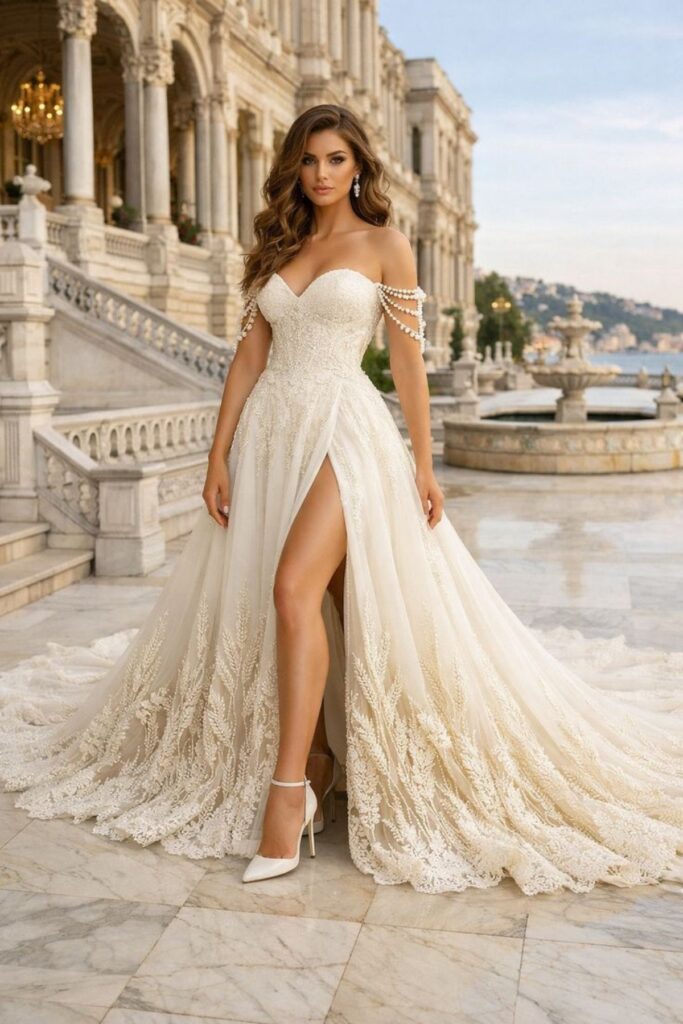
Your hemline can collect dirt, grass, sand, or makeup during the wedding day. By the time portraits begin, your previously spotless gown may already show signs of the celebration.
This is especially common when couples take photographs before the ceremony. Walking between locations can quickly affect the lower part of the dress.
Have someone inspect the gown before major photographs. A clean white towel, small emergency kit, and appropriate stain-removal supplies can help with minor issues.
Do not rub stains aggressively because delicate fabrics can become damaged. Ask your bridal shop about safe emergency care before the wedding.
Your photographer may also have experience handling small dress emergencies. They can suggest positions that minimize minor marks when necessary.
Wedding dress mistakes involving dirty hems can appear repeatedly because the lower part of the gown features heavily in full-length photographs.
Planning portrait locations can also help. Avoid muddy areas, wet grass, or places where the train could become heavily soiled before important photographs.
A little maintenance throughout the day can keep your dress looking much closer to its original condition.
Ignoring The Dress Bustle
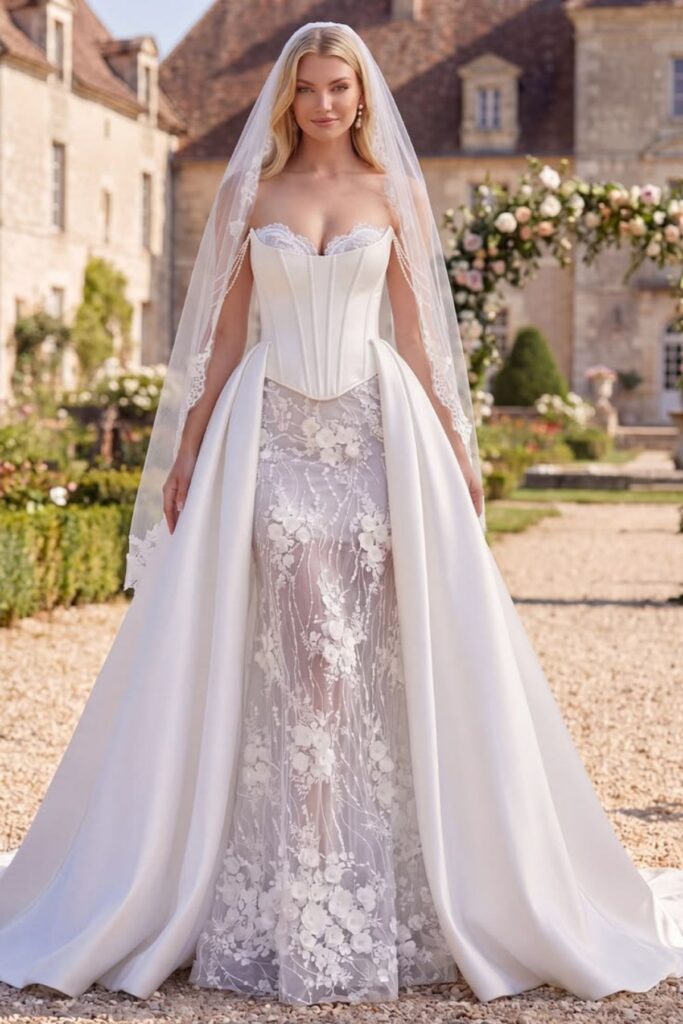
The bustle becomes important once the ceremony ends and you begin moving around the reception. If it does not work properly, your train may drag behind you.
A poorly secured bustle can also appear in photographs. Loose fabric may bunch awkwardly or create uneven folds around the back of the gown.
Practice bustling several times before wedding day. The person helping you should know exactly where each hook, button, or tie belongs.
Take photographs after bustling the dress. This allows you to see whether the gown still looks attractive from behind.
You should also walk around after the bustle is secured. Sit down, move between tables, and dance for a few minutes.
Wedding dress mistakes involving the bustle can quickly become frustrating because they appear during the part of the day when you want freedom.
Ask your seamstress to demonstrate the process clearly. Recording a short phone video can also help your helper remember the steps.
Your reception should allow you to relax and enjoy yourself. A reliable bustle can keep your dress manageable while preserving its shape in photographs.
Choosing A Dress That Does Not Match Your Personality
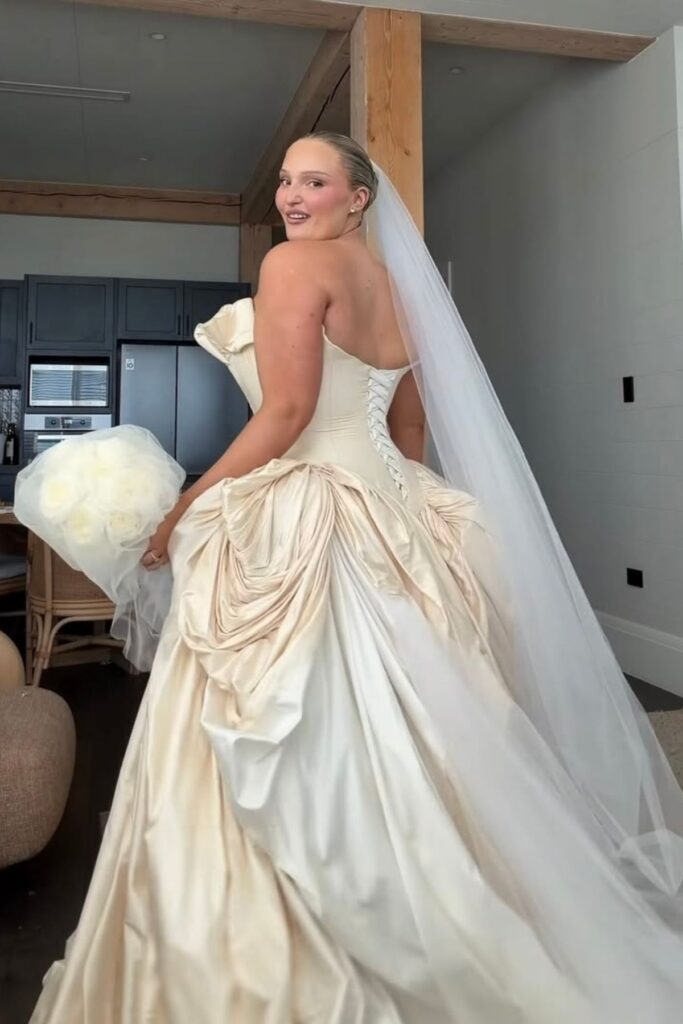
Your wedding dress should feel like something you would actually enjoy wearing. Choosing a style simply because it looks impressive online can leave you feeling uncomfortable or unlike yourself.
Photographs capture expressions, posture, and body language as well as clothing. If you constantly adjust your gown or feel uncomfortable, that discomfort can show.
Try different silhouettes before deciding what feels natural. A style that looks beautiful on someone else may not give you the same confidence.
Pay attention to how you feel when you put the gown on. Do you stand differently, smile more naturally, or immediately want to move around?
Your photographer will capture candid moments throughout the day. Confidence often makes those photographs more memorable than following every current bridal trend.
Wedding dress mistakes are sometimes less about fabric or fit and more about choosing something that does not feel like you.
Your wedding photographs should remind you of a happy day, not a costume you tolerated for several hours.
Choose a gown that makes you feel comfortable, confident, and genuinely excited to see yourself in the mirror.
Final Thoughts
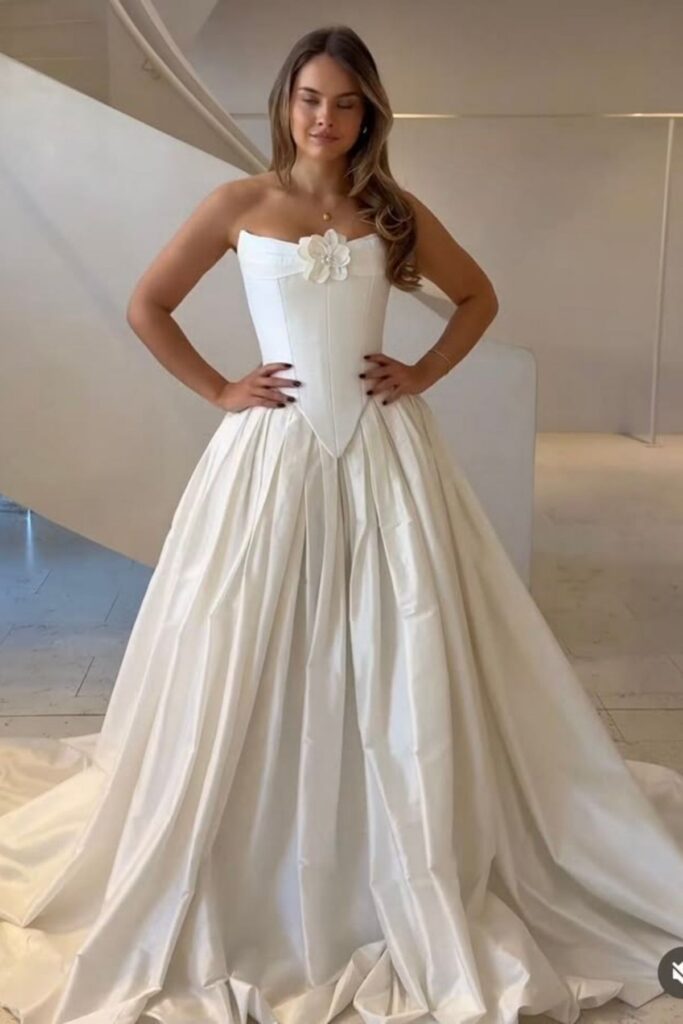
Wedding photographs preserve moments you may barely notice during the actual celebration. That makes small clothing problems more important than they might seem while you are getting ready.
The good news is that most wedding dress mistakes can be prevented before you walk down the aisle.
Proper fittings, suitable undergarments, comfortable shoes, careful steaming, and practical accessories can go a long way.
Your venue should also influence your dress choice because weather, terrain, lighting, and movement all matter. A gown that works beautifully indoors may require more planning outdoors.
Take photographs during your fittings and test the complete outfit before wedding day. Walk, sit, dance, and move naturally because your wedding will involve far more than standing beautifully for portraits.
Your photographer can also help you identify details worth checking. Their perspective may reveal issues you never noticed in the mirror.
Most importantly, do not let the pursuit of perfection steal your joy. Your wedding photographs should capture your happiness, personality, and connection alongside the dress.
Avoiding common wedding dress mistakes simply gives your gown a better chance to support those memories.
After all, the best wedding dress is the one that looks beautiful while allowing you to forget about it and enjoy your day.
For more inspiration, read: What Are the Most Common Wedding Dress Mistakes to Avoid?


3 Comments