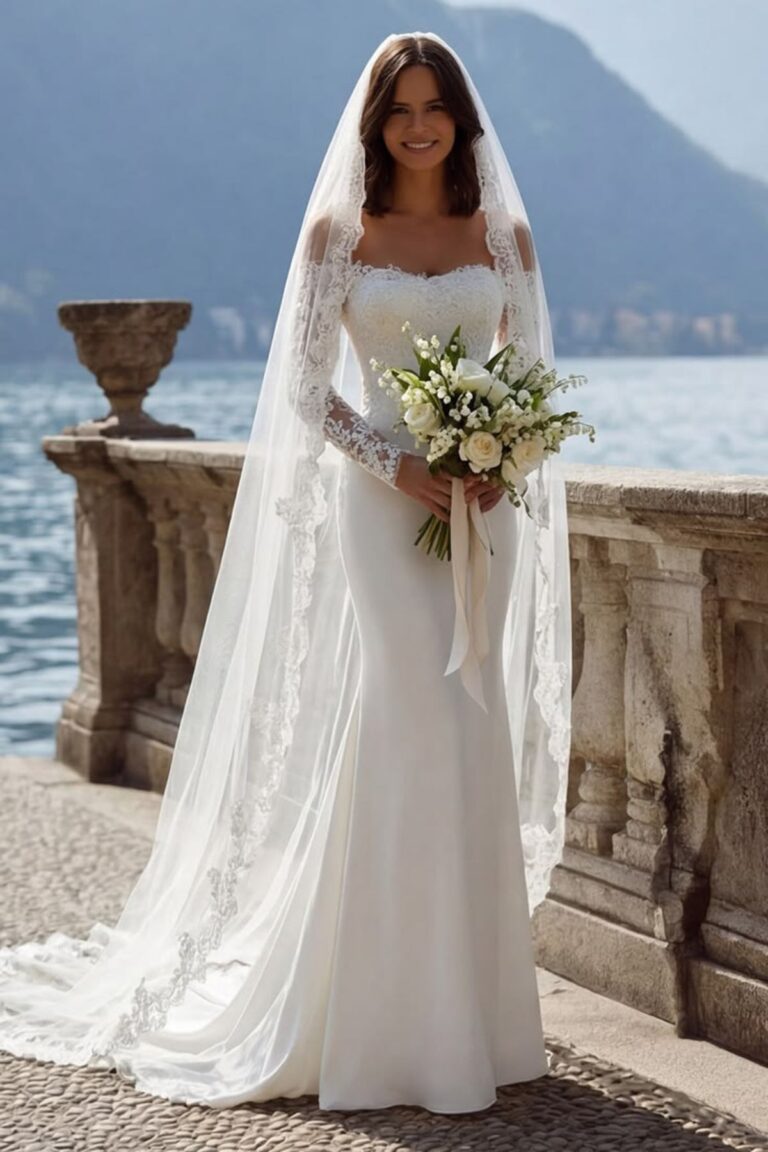

The Complete Micro Destination Wedding Guide
Disclosure: Some of the links in this post are affiliate links. This means if you click on the link and purchase an item, I will receive an affiliate commission at no extra cost to you.
A micro destination wedding gives you the opportunity to celebrate your marriage in a beautiful location with a small group of family and friends. It combines the intimacy of a smaller guest list with the excitement of getting married somewhere special.
This guide covers the essential details you need to plan your celebration, including choosing a destination, setting your budget, selecting a venue, and creating a memorable experience for your guests.
The Complete Micro Destination Wedding Guide
Understand What a Micro Destination Wedding Means
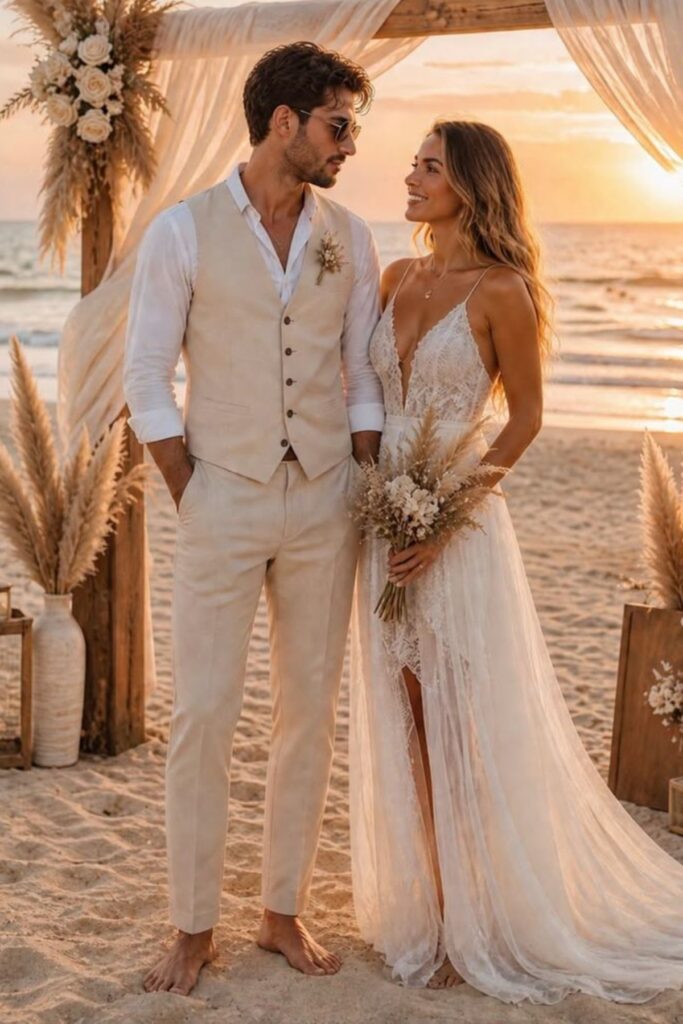
A micro destination wedding combines a small guest list with a wedding held away from your hometown.
Most couples invite between 10 and 50 guests, although your final number depends on your preferences and budget.
The smaller gathering allows you to spend meaningful time with the people closest to you.
Unlike a traditional destination wedding with a large guest list, a micro celebration gives you more flexibility when choosing your location.
You can consider boutique hotels, private villas, beachfront properties, mountain retreats, and charming countryside venues.
Your guest list also makes it easier to organize activities and give everyone personal attention.
You should decide what makes the celebration special before choosing a destination. Some couples prioritize beautiful scenery, while others want excellent food, privacy, or a relaxed atmosphere.
Your priorities will guide the rest of your planning decisions.
Choose a Destination That Suits Your Wedding Vision

Your destination will influence the atmosphere, budget, guest experience, and logistics of your wedding.
Start by considering the type of setting you want for your ceremony and reception.
A beach destination creates a relaxed atmosphere, while a historic city offers beautiful architecture and cultural experiences.
You can explore destinations that offer convenient travel connections, suitable accommodation, and reliable wedding vendors.
Consider how long your guests will need to travel and whether they can comfortably afford the trip. A beautiful location may not be practical if most of your guests face complicated travel arrangements.
Research the destination’s weather patterns, local customs, and wedding requirements before making your decision.
You should also check the distance between the airport, accommodation, ceremony venue, and reception location.
These details can help you avoid unnecessary travel expenses and scheduling problems.
Set a Realistic Micro Destination Wedding Budget

A smaller guest list can reduce several wedding expenses, but destination celebrations still require careful budgeting.
You need to account for travel, accommodation, venue fees, food, photography, decorations, transportation, and legal requirements.
Your budget should reflect the experience you want to create without putting unnecessary pressure on your finances.
Start by deciding how much you can comfortably spend on the entire celebration. Then divide the amount into categories based on your priorities.
You may want to spend more on photography, accommodation, or a memorable reception meal while keeping other expenses simple.
Remember that your guests will also have travel expenses. Although you may not be responsible for paying everyone’s costs, you should communicate expected expenses early.
Clear information gives your guests enough time to decide if they can attend.
Create a Guest List That Keeps the Celebration Intimate

Your guest list determines the size, atmosphere, and overall cost of your micro destination wedding.
Start with the people who play an important role in your life and relationship.
You can include immediate family members, close friends, and a few relatives who have supported your journey as a couple.
Set a guest limit before sending invitations so you can make decisions consistently. You may find it helpful to create an initial list and then review it together.
Both partners should have an equal opportunity to invite the people who matter to them.
Destination weddings can create difficult invitation decisions, especially when some relatives cannot travel.
Communicate your plans kindly and explain that the smaller guest list reflects your chosen wedding format. You can also share photographs or arrange a separate celebration after returning home.
Find a Venue That Matches Your Guest Count
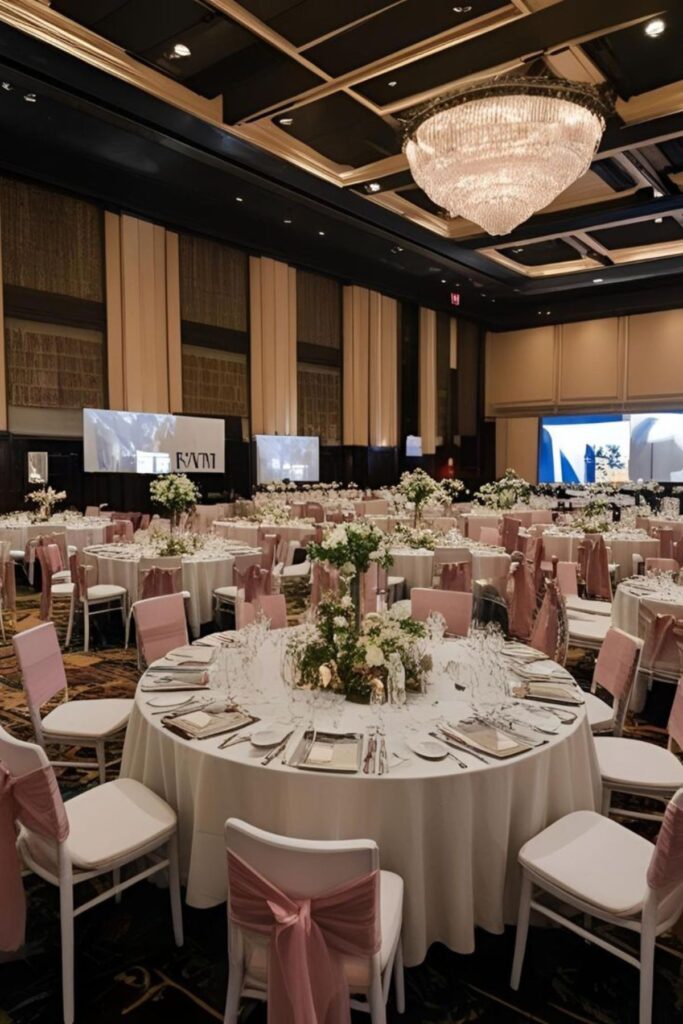
Your venue should comfortably accommodate your guests while supporting the atmosphere you want.
Micro destination weddings give you access to smaller spaces that may feel less suitable for large celebrations.
You can consider private gardens, boutique resorts, beachside restaurants, vineyards, and residential villas.
Ask each venue about its guest capacity, rental fees, catering arrangements, accommodation options, and available wedding services.
Some properties offer wedding packages that cover several services under one price. Compare the details carefully instead of choosing a package based only on its advertised cost.
You should also consider the venue’s indoor and outdoor options. Weather changes can affect outdoor ceremonies, especially in tropical and coastal destinations.
A suitable backup space will help you protect your plans without making last-minute arrangements.
Decide Whether You Need a Wedding Planner
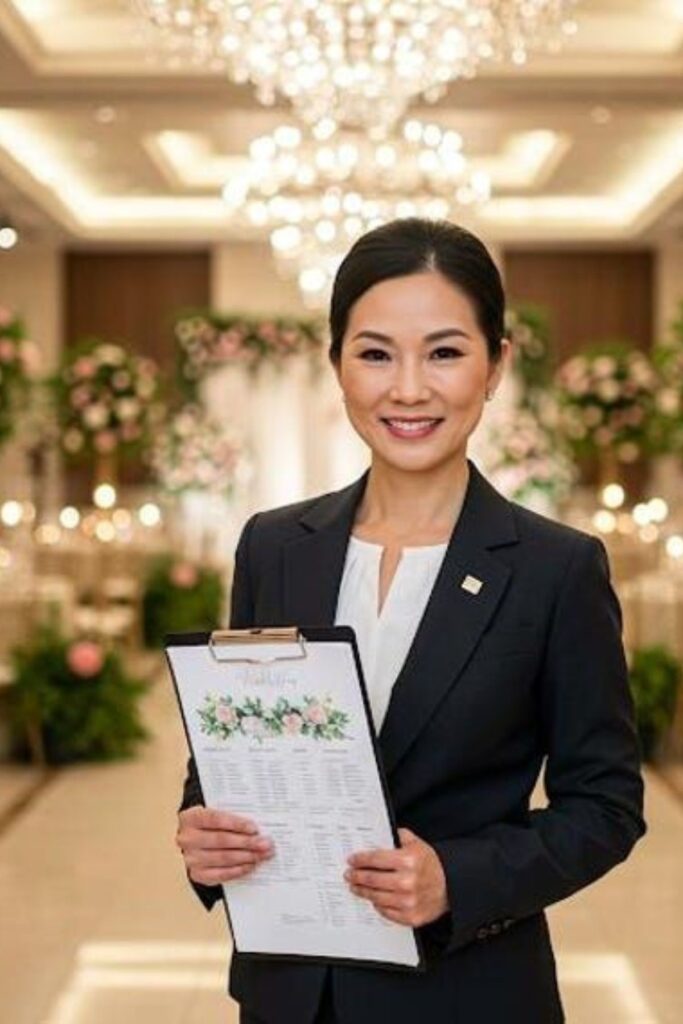
Planning a wedding in another location can involve communication across different time zones, unfamiliar vendors, and local regulations.
A destination wedding planner can help you coordinate these details and keep your plans organized.
This support can become particularly useful when you cannot visit the venue before the wedding.
Your planner may assist with vendor recommendations, contracts, timelines, accommodation, transportation, and ceremony arrangements.
Some planners also offer packages specifically designed for micro weddings. Ask what each package includes so you understand the services before making a commitment.
You can also plan the celebration yourself if you have enough time and feel comfortable managing the arrangements.
A venue with an experienced wedding coordinator may reduce the amount of outside assistance you need. Choose the approach that fits your budget, schedule, and planning experience.
Arrange Travel and Accommodation for Your Guests

Travel arrangements deserve early attention because your guests need enough time to prepare for the trip.
Share the wedding date, destination, airport information, and suggested accommodation options as soon as you confirm your plans.
You should also provide information about visa requirements where applicable.
Consider recommending a few accommodation options at different price points. Some guests may prefer a luxury resort, while others may choose a nearby hotel or apartment.
A group booking arrangement may also help guests access better rates, depending on the property.
If your budget allows, organize transportation between the airport, accommodation, and wedding venue.
You can also prepare a simple travel guide with local transportation options, important contacts, and nearby attractions. These details help guests feel prepared before they arrive.
Choose Wedding Attire That Suits the Destination
Your wedding outfits should reflect your personal style while remaining comfortable for the location and weather.
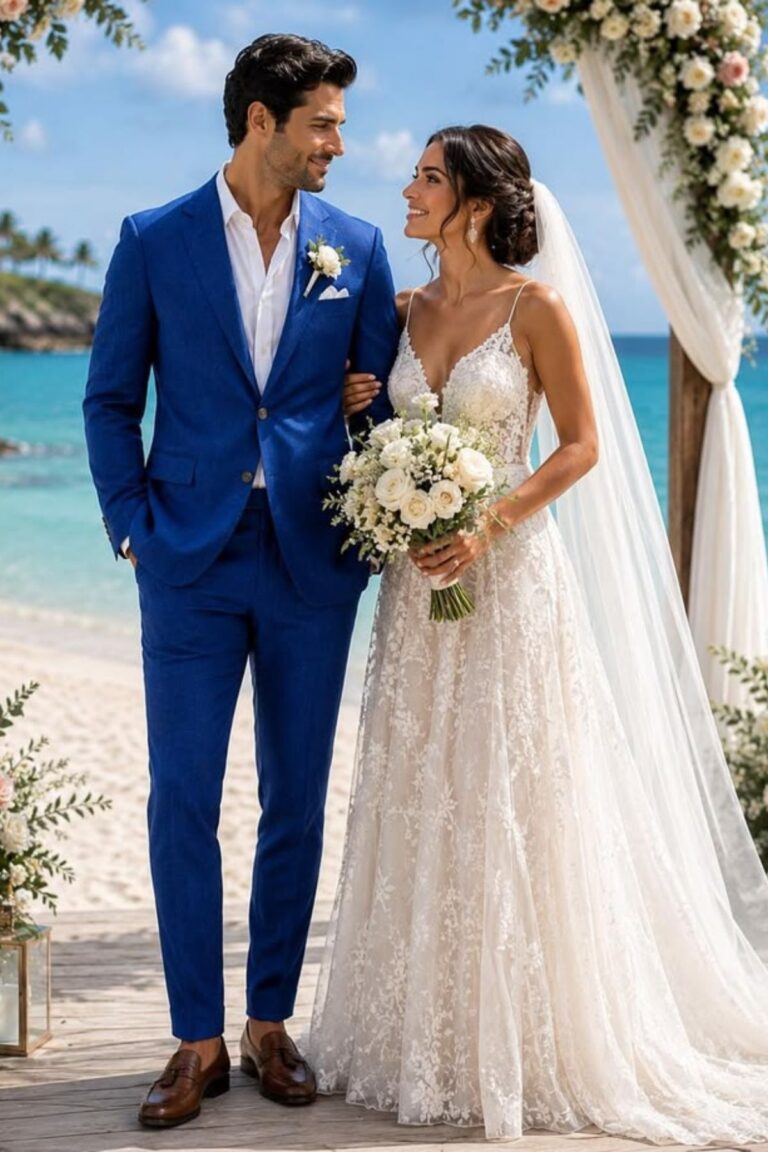
A lightweight wedding dress may suit a warm beach destination, while a structured gown may work beautifully in a historic hotel or countryside venue.
You should also consider the ceremony surface, temperature, and amount of movement your outfit allows.
Your partner’s outfit should complement your wedding style without requiring identical colors or designs.
You can choose coordinated shades, complementary fabrics, or a shared level of formality. Your wedding party can follow a similar approach if you decide to have one.
Give yourself enough time for fittings, alterations, and travel preparations. Pack your outfits carefully and check airline baggage policies before departure.
You should also arrange suitable storage and steaming services at your accommodation.
Plan an Intimate Ceremony With Personal Details
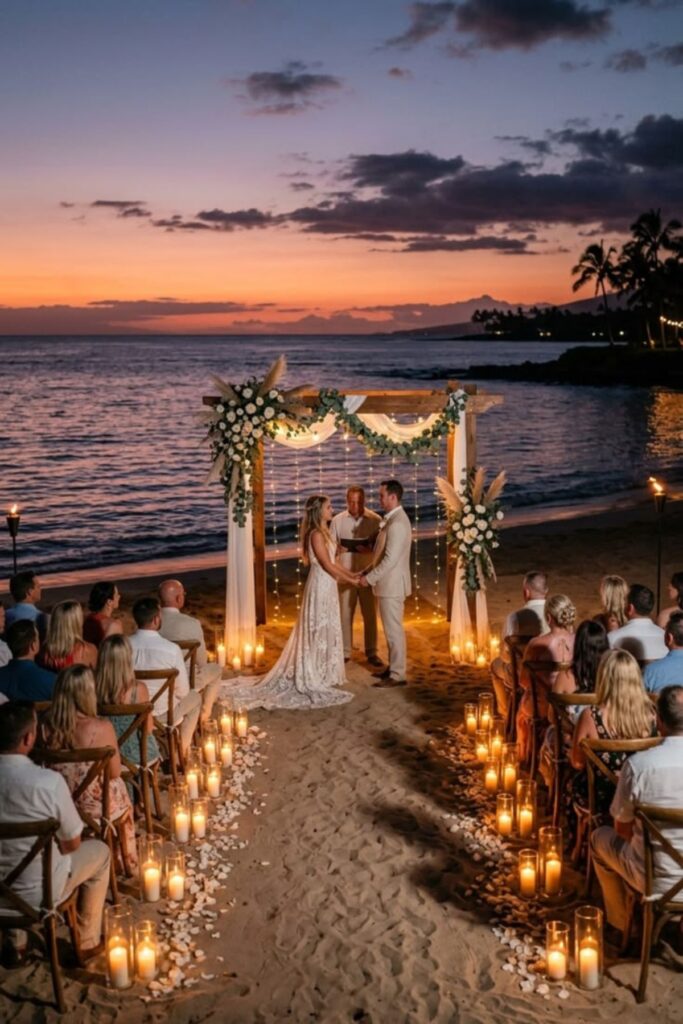
A micro destination wedding gives you room to make your ceremony feel personal and meaningful.
You can exchange vows beside the ocean, beneath a garden arch, or in a quiet courtyard overlooking beautiful scenery. Your ceremony does not need elaborate decorations to create a memorable setting.
Consider writing your own vows if that suits your preferences and ceremony requirements. You can also include meaningful readings, selected music, or a short tribute to important family members.
These details help your ceremony reflect your relationship rather than follow a generic schedule.
Ask your officiant about the ceremony structure and any legal requirements that apply at your destination.
Some couples choose to complete the legal marriage process at home and hold a symbolic ceremony abroad. This option may simplify paperwork while allowing you to enjoy the destination celebration.
Plan a Reception That Feels Special Without Becoming Complicated
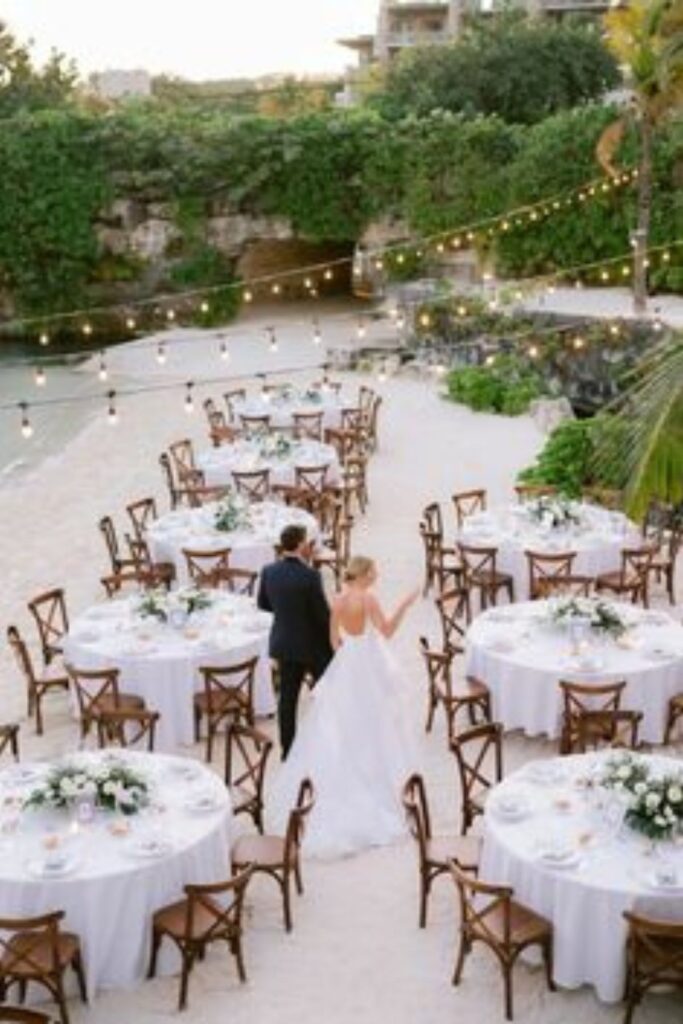
Your reception can be a relaxed dinner, a private garden party, a beachfront celebration, or an evening at a beautiful restaurant.
A smaller guest list allows you to choose a setting where everyone can comfortably interact. You can focus on good food, thoughtful service, and an enjoyable atmosphere.
Choose a menu that reflects your preferences and the destination’s local food culture. You can offer a few carefully selected courses instead of planning an extensive buffet.
Ask about dietary requirements and communicate them to your caterer before the wedding.
You can also include a few simple reception activities, such as speeches, a first dance, or a small cake-cutting moment.
Your entertainment should suit the size and atmosphere of the gathering. A live musician, acoustic performer, or curated playlist may provide everything you need.
Select Decorations That Complement the Destination
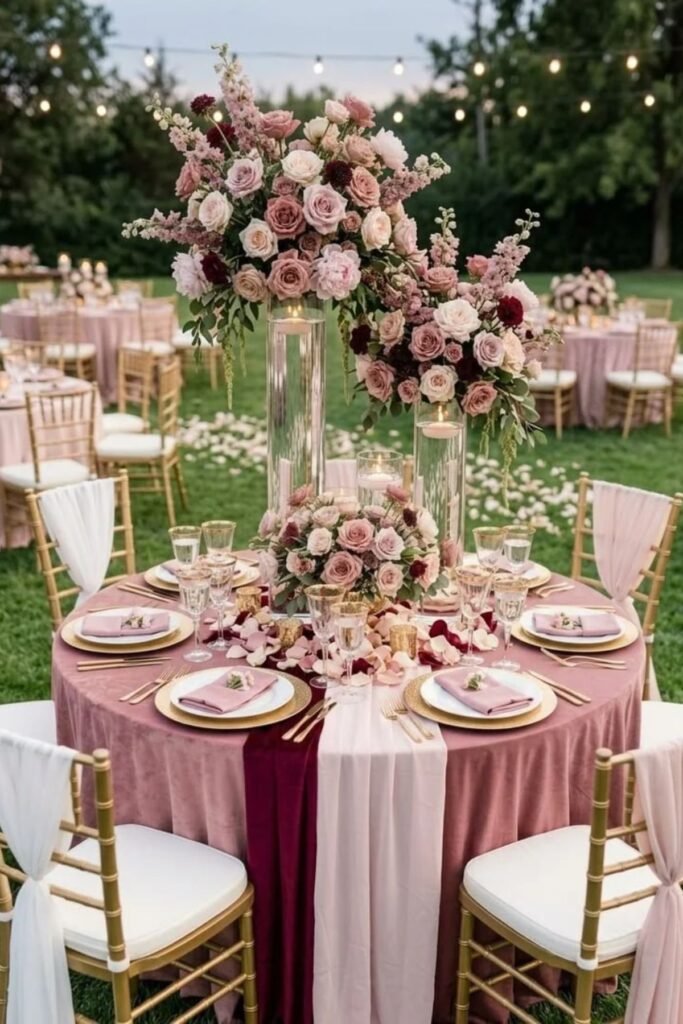
Your venue already provides part of your wedding design, especially when it features beautiful natural scenery or architecture.
Use the surroundings as inspiration instead of trying to transform every space.
A beach wedding may need only a few floral arrangements, while a countryside celebration may benefit from candles and simple table decorations.
Choose a color palette that works with the venue’s existing features. Soft neutrals, warm earth tones, pastel shades, and natural greens can suit many destination settings.
You can repeat your chosen colors through flowers, linens, stationery, and table details.
Prioritize decorations that guests will notice during the ceremony and reception. A beautiful ceremony backdrop, attractive dining tables, and thoughtful lighting can create a cohesive look.
Avoid ordering large quantities of decorations that you may struggle to transport or store after the celebration.
Hire a Photographer Who Understands Destination Weddings

Your wedding photographs will help you remember the celebration long after your guests return home.
Look for a photographer who has experience working in your chosen destination or similar environments. Review complete wedding galleries instead of relying only on selected portfolio images.
Discuss the photography schedule, package details, editing style, travel fees, and delivery timeline before signing a contract.
You should also ask about backup equipment and arrangements in case of unexpected weather. Clear communication will help you understand what to expect.
Create a short list of photographs you would like to have, including family portraits, ceremony moments, couple portraits, and reception details.
Your photographer can use this list to organize the session without making the day feel overly structured. You should still leave room for natural photographs throughout the celebration.
Prepare Your Wedding Invitations and Information Guide

Your invitations should communicate the essential details of your celebration clearly. Include the wedding date, destination, venue, RSVP deadline, and any relevant dress code information.
Since guests need to organize travel, send your invitations earlier than you might for a local wedding.
A wedding website or digital information guide can provide additional details without overcrowding the invitation.
You can include accommodation recommendations, airport information, local transportation, weather expectations, and a suggested packing list.
Add contact information for someone who can answer guest questions.
Make your RSVP process simple and set a firm response deadline. You need an accurate guest count to confirm accommodation, meals, seating, and transportation.
Follow up politely with guests who have not responded before finalizing your arrangements.
Understand Legal Requirements Before You Travel

Legal marriage requirements differ between countries and sometimes between regions within the same country.
You may need specific documents, residency periods, translations, certificates, or appointments before your ceremony.
Research these requirements early rather than assuming your destination venue will handle everything.
Contact the relevant government office, embassy, consulate, or authorized local marriage official for accurate information.
Ask about document authentication, deadlines, witness requirements, and how your marriage certificate will be recognized at home.
Keep copies of important documents and store the originals securely.
Some couples prefer to complete the legal marriage at home before holding a symbolic destination ceremony.
This approach can reduce administrative demands during the trip. Your ceremony can still include vows, an officiant, family participation, and all the meaningful moments you want.
Prepare for Weather Changes and Unexpected Situations
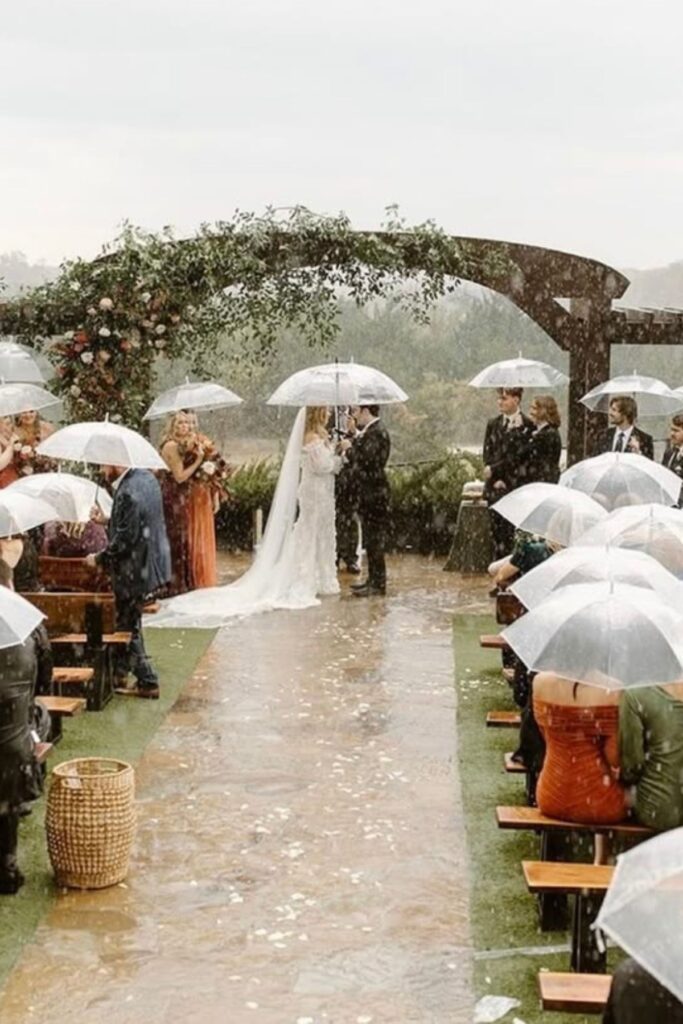
Destination weddings often involve outdoor settings, so you should prepare for changing weather conditions.
Research the destination’s typical temperatures, rainfall, humidity, and seasonal patterns for your chosen month. Avoid selecting a date based only on photographs that show ideal weather.
Discuss backup arrangements with your venue and planner. You may need an indoor ceremony space, covered reception area, or alternative photography location.
Confirm whether these options require additional fees.
You should also prepare for practical issues such as delayed flights, missing luggage, vendor cancellations, and minor emergencies.
Keep important contacts accessible and allow extra time between scheduled activities. A flexible timeline can help you respond calmly when plans change.
Give Your Guests Thoughtful Welcome Gifts

Welcome gifts can make your guests feel appreciated when they arrive at the destination.
You do not need expensive gift boxes to create a thoughtful gesture. A few useful items connected to the destination or wedding weekend can make a lovely impression.
You might include bottled water, local snacks, a handwritten note, sunscreen, or a small destination guide.
A printed itinerary can also help guests understand the weekend’s arrangements. Choose items that guests can easily carry home without adding unnecessary luggage.
You can place the gifts in guest rooms or distribute them during a welcome gathering. If your budget is limited, focus on a personal note and one useful item.
Your guests will appreciate the thought behind the gesture.
Create a Wedding Timeline That Allows Everyone to Enjoy the Day
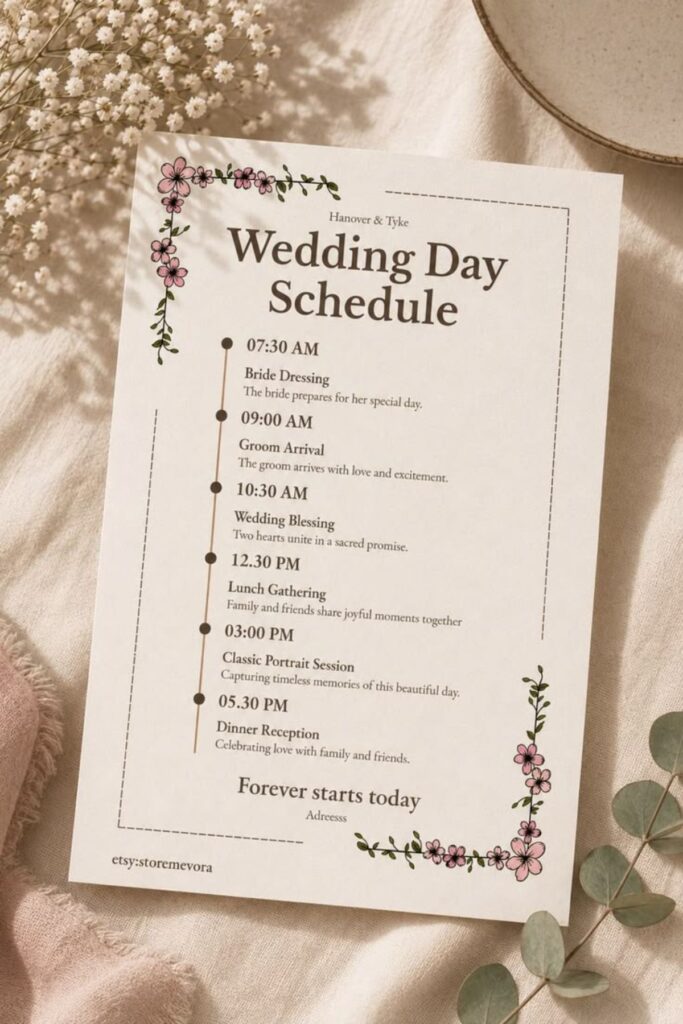
A well-planned timeline helps your wedding day run smoothly without making the celebration feel rushed.
Start by confirming the ceremony time, photography schedule, reception start, and meal service. Then allow enough time for travel, outfit changes, and unexpected delays.
Avoid filling every hour with scheduled activities. Your guests should have opportunities to relax, talk, take photographs, and enjoy the destination.
A smaller wedding often feels more enjoyable when you leave room for spontaneous moments.
Share the final schedule with your planner, venue coordinator, photographer, and other key vendors.
Give guests a simplified version that includes only the information they need. Confirm important arrangements again shortly before the wedding.
Make Your Micro Destination Wedding Reflect Your Relationship
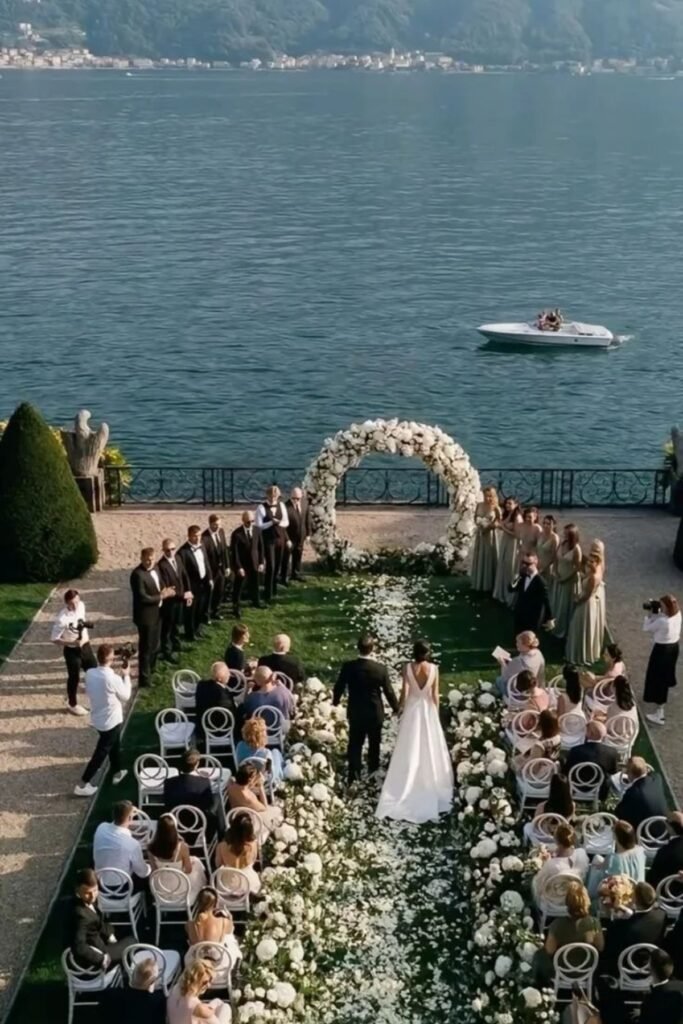
Your wedding should reflect your values, personalities, and shared preferences rather than follow every popular destination wedding trend.
You can choose a quiet ceremony, a lively dinner, or a weekend filled with activities. The right format is the one that feels meaningful to both of you.
Consider including personal details that tell your story. You might choose a location connected to a special memory, serve a favorite meal, or select music that means something to you.
Small gestures can make the celebration feel personal without increasing your budget significantly.
You should also remember that your guests are travelling to celebrate with you. Give them clear information, comfortable arrangements, and enough time to enjoy the experience.
A thoughtful approach can make your wedding memorable for everyone involved.