
Things Luxury Destination Weddings Always Include
Disclosure: Some of the links in this post are affiliate links. This means if you click on the link and purchase an item, I will receive an affiliate commission at no extra cost to you.
Luxury destination weddings combine beautiful locations, thoughtful planning, and memorable guest experiences. These celebrations bring together elegant venues, exceptional hospitality, and carefully selected details. Every element contributes to an experience that feels personal and enjoyable.
You can expect stunning scenery, beautiful decorations, delicious meals, and exciting activities throughout the celebration. However, luxury also involves thoughtful planning and attention to guest comfort.
Here are the things luxury destination weddings always include when creating an unforgettable experience.
Things Luxury Destination Weddings Always Include
A Stunning and Exclusive Wedding Venue
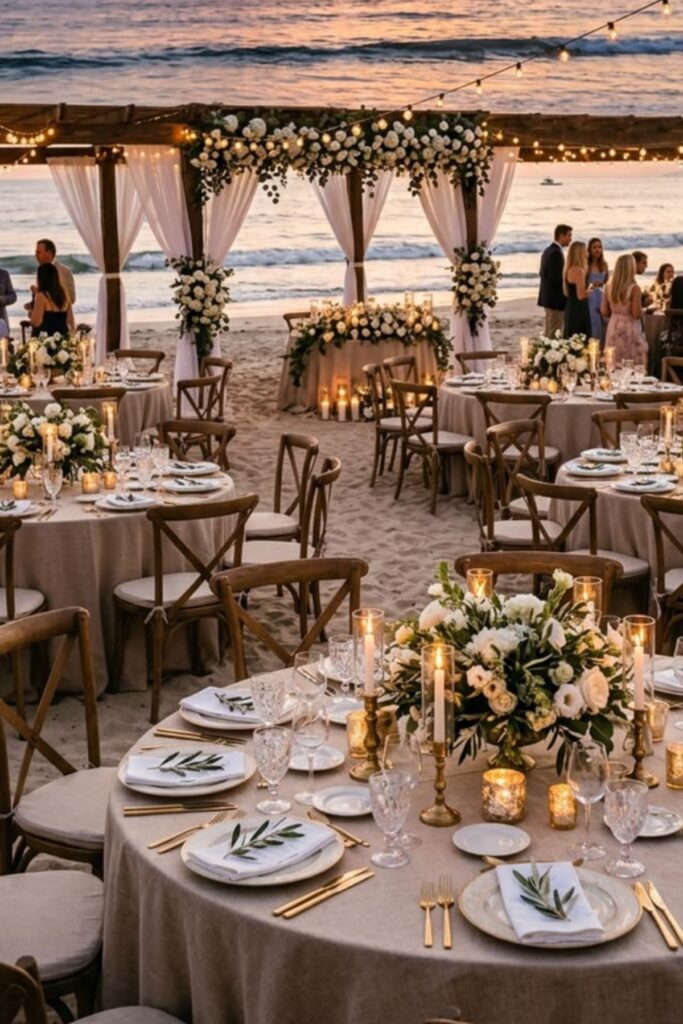
The venue often becomes one of the first things people remember about luxury destination weddings.
Couples carefully select locations that offer beautiful scenery, exceptional facilities, and an atmosphere suited to their celebration.
Popular choices include private islands, beachfront resorts, historic estates, vineyards, and luxurious villas.
A beautiful location gives your wedding a distinctive setting before the decorations even arrive.
Imagine exchanging vows beside clear blue water, surrounded by tropical greenery and gentle ocean views.
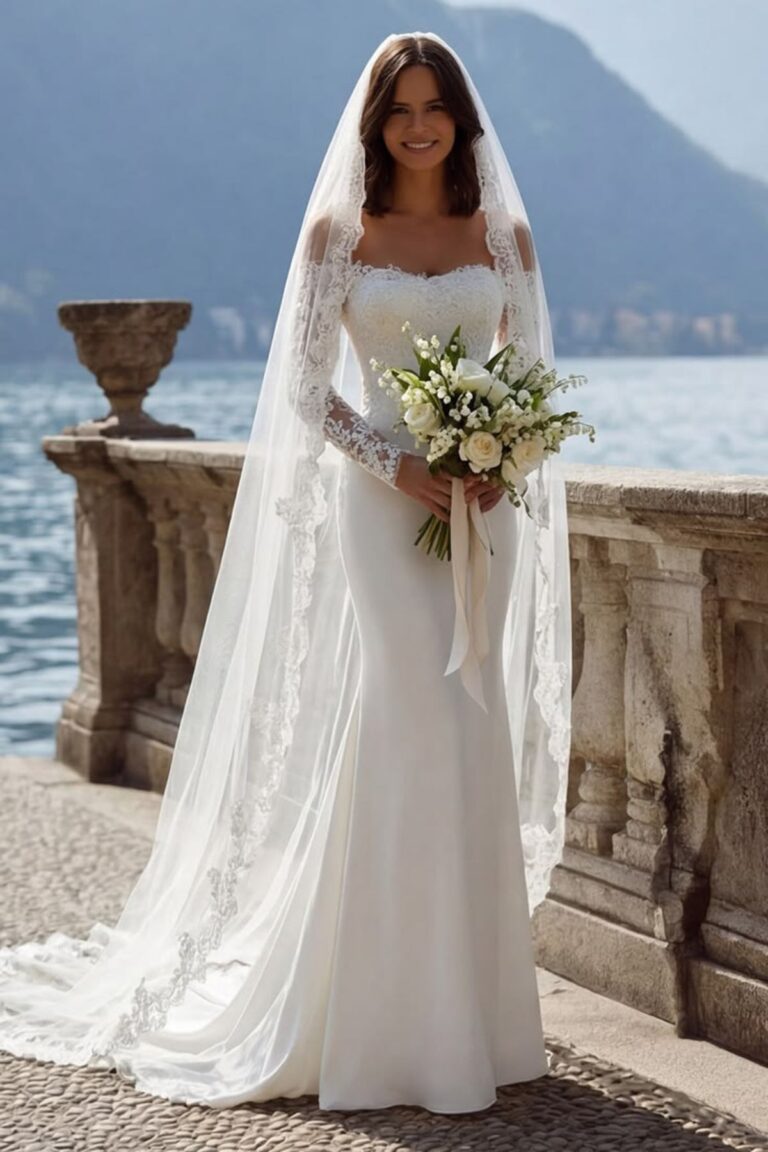
You could also choose a historic European property with impressive architecture and beautifully maintained gardens.
Each destination offers a different atmosphere, allowing you to select something that reflects your preferred wedding style.
Privacy also contributes to the experience. Some couples reserve an entire villa, book a private beach area, or secure exclusive access to a resort’s event spaces.
These arrangements create a more personal atmosphere and give you greater control over the celebration.
You can organize different activities without worrying about unrelated visitors occupying your event space.
However, appearance should not become your only consideration when selecting a venue. Check the guest capacity, accommodation options, catering facilities, accessibility, and available event spaces.
Ask about restrictions concerning music, decorations, photography, and outdoor celebrations. You should also confirm the venue’s weather arrangements before making a financial commitment.
The best venue combines beautiful surroundings with practical facilities. Your guests should enjoy the location without struggling with transportation or uncomfortable arrangements.
When the setting, facilities, and services work together, you create a beautiful foundation for your wedding celebration.
Professional Wedding Planning and Coordination
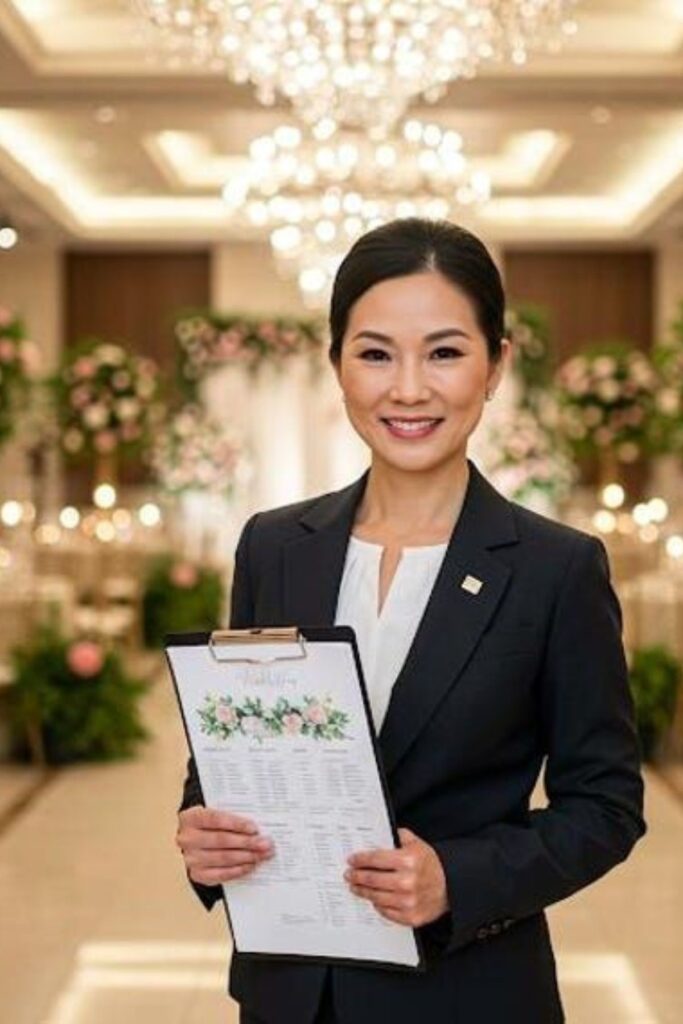
Professional planning plays a significant role in luxury destination weddings because couples often organize celebrations outside their home countries.
You may need to communicate with international vendors, understand local requirements, arrange accommodation, and coordinate several events.
Handling everything independently can become stressful, especially when you cannot visit the destination frequently.
An experienced destination wedding planner helps manage these responsibilities.
They can recommend suitable venues, organize vendor meetings, review quotations, and coordinate important deadlines.
Their knowledge of the location also helps you understand local customs, weather conditions, and available services.
A local planner can introduce you to photographers, florists, caterers, decorators, musicians, and transportation providers.
They may also help you compare suppliers and identify services that suit your budget. However, you should still review each vendor’s portfolio, references, and agreement before making payments.
Communication matters throughout the planning process. Your planner should understand your preferred wedding style, priorities, guest expectations, and financial limits.
Regular updates help you monitor progress and make decisions without feeling disconnected from the arrangements.
Video meetings, shared planning documents, and clear payment schedules can make communication easier.
You should also have a dedicated coordinator on the wedding day. This person manages the schedule, communicates with vendors, and handles unexpected changes.
They can supervise setup, check important arrangements, and coordinate the different activities. You can then focus on enjoying your celebration instead of constantly checking vendor arrivals.
Professional planning does not mean every detail needs an expensive solution. It means having knowledgeable support and a clear plan for the important decisions.
A good planner helps you organize a celebration that reflects your preferences while keeping the practical arrangements under control.
Luxury Accommodation and Comfortable Guest Transportation

Guest hospitality is an important part of luxury destination weddings.
Your guests may travel several hours or cross international borders to celebrate with you. Their experience should begin comfortably, even before they arrive at the wedding venue.
Many couples choose destinations with premium resorts, boutique hotels, private villas, or beautiful beachfront properties.
These accommodation options give guests convenient access to wedding activities and opportunities to enjoy the destination.
Some couples reserve an entire property, while others negotiate room blocks at selected hotels.
Room blocks can help guests access accommodation at agreed rates. However, remember that your guests may have different financial circumstances.
Consider recommending additional hotels at different price points near the main venue. This gives everyone greater flexibility without making anyone feel excluded from the celebration.
Share accommodation information early so guests can plan their trips. Include booking instructions, reservation deadlines, available room types, and relevant contact details.
You can also provide information about nearby restaurants, shopping areas, medical facilities, and attractions. A wedding website can keep these details organized in one convenient place.
Transportation deserves the same attention as accommodation. Arrange airport transfers when possible, especially if your destination is unfamiliar to most guests.
Private cars, comfortable vans, and organized shuttle services can help visitors reach their hotels without confusion.
You might also provide transportation between accommodation and wedding venues throughout the celebration.
Consider guests with mobility requirements when planning transportation. Make sure vehicles and venue access arrangements suit their needs.
Provide clear pickup times and contact information for anyone who needs assistance. These details may seem small, but they can significantly improve the guest experience.
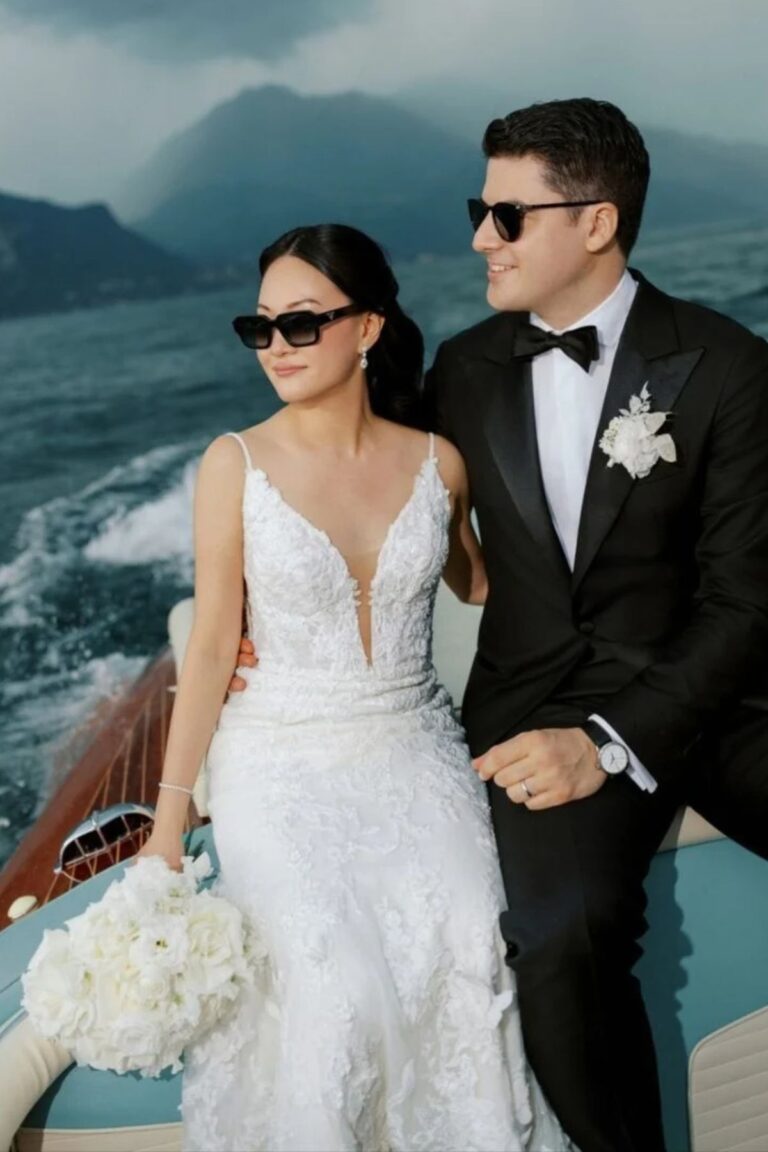
You can also arrange special transportation for the couple and wedding party. A luxury vehicle, private boat, or beautifully decorated carriage may complement your chosen destination.
Select transportation that suits the location and schedule rather than adding unnecessary complications.
Beautiful Wedding Decorations and Floral Arrangements
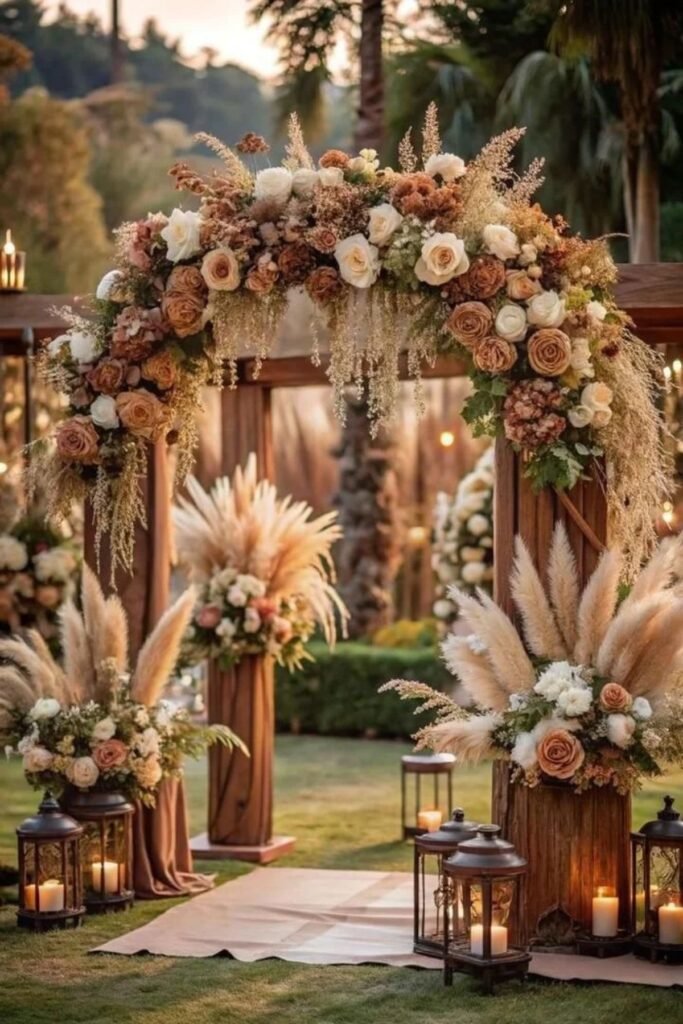
Decorations help transform a beautiful destination into a wedding setting that reflects your personal style.
Luxury destination weddings often feature coordinated designs that complement the natural surroundings.
The goal is to create an elegant atmosphere without competing with the beauty of the location.
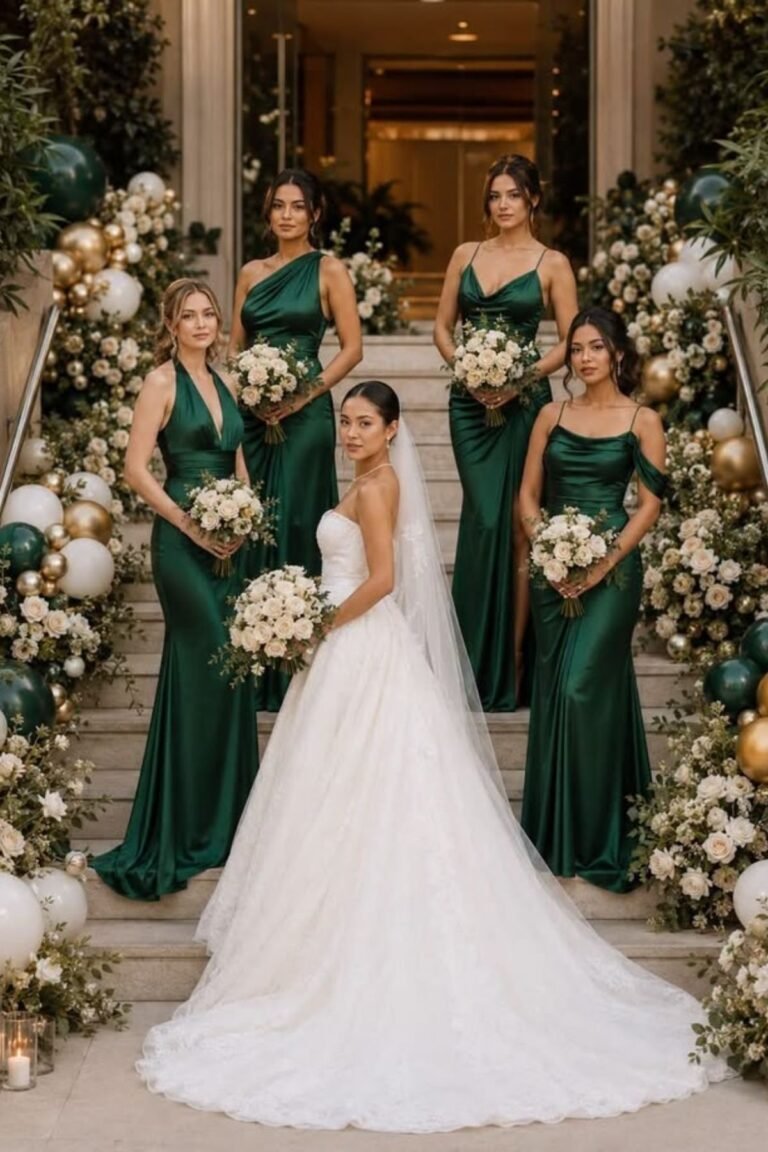
A beachfront celebration might feature flowing fabrics, floral arches, neutral seating, and carefully arranged lanterns.
A garden wedding could include elegant tables, romantic candles, greenery, and floral installations.
Historic venues may look beautiful with classic centerpieces, decorative chandeliers, and refined table settings.
Flowers often play an important role in the overall design. Roses, orchids, hydrangeas, peonies, and tropical blooms can create different effects depending on your color scheme.
You can use floral arrangements along the ceremony aisle, around the entrance, and throughout the reception space.
Your florist can recommend suitable flowers based on seasonal availability and local conditions.
Consider the destination’s natural features when choosing your decorations. A venue with impressive ocean views may need fewer decorative installations than a plain indoor hall.
Similarly, a garden surrounded by mature trees already provides beautiful scenery. Working with the existing surroundings can help create a balanced design.
Reception decorations should also feel coordinated. Choose table linens, dinnerware, napkins, glassware, and centerpieces that complement one another.
You can add elegant menus, personalized place cards, decorative table numbers, and attractive seating arrangements.
These details help create a polished appearance without overcrowding the tables.
Lighting can make the decorations even more beautiful. Chandeliers, candles, hanging lanterns, and subtle fairy lights can create a romantic atmosphere after sunset.
Discuss electrical arrangements and outdoor lighting requirements with your decorator and venue.
You should also consider safety when placing candles, decorative structures, and electrical equipment.
Before confirming your decoration package, request photographs or design samples. Discuss setup times, delivery arrangements, removal fees, and weather restrictions.
A clear agreement helps you understand what the decorator will provide. Beautiful decorations should complement your wedding rather than create unnecessary planning difficulties.
Exceptional Food, Drinks, and Wedding Cake

Food is one of the experiences guests often remember after attending a wedding.
Luxury destination weddings usually feature carefully prepared menus, attractive presentation, and professional catering services.
Your choices should reflect the destination while giving guests enjoyable dining options.
A destination wedding provides an opportunity to introduce visitors to local cuisine. You might serve regional seafood, traditional dishes, seasonal fruits, or locally produced desserts.
These options give guests a taste of the location and make the celebration feel connected to its surroundings. You can also include familiar international dishes for guests who prefer them.
The serving style depends on your wedding atmosphere. A plated dinner creates a formal dining experience, while an elegant buffet offers guests greater flexibility.
Food stations can also work beautifully at relaxed receptions. You might arrange separate stations for appetizers, main courses, desserts, and regional specialties.
Consider dietary requirements before finalizing your menu. Some guests may have allergies or follow specific dietary preferences.
Ask about vegetarian meals, gluten-free options, and suitable alternatives when necessary. A professional caterer should help you plan a menu that accommodates your guests comfortably.
Drinks deserve thoughtful attention too. You can create a beautiful refreshment station featuring fresh juices, mocktails, flavored water, and sparkling drinks.
Signature beverages can reflect the couple’s personalities or the wedding destination. Personalized names and attractive garnishes can make these drinks feel connected to the celebration.
Your wedding cake can become another beautiful feature of the reception. Some couples prefer tall floral cakes, while others choose minimalist designs with elegant finishes.
You can also select a cake inspired by your wedding colors or destination. Discuss the design, serving portions, delivery, and storage arrangements with your baker.
The local climate matters when selecting your cake and other desserts. Warm temperatures may affect certain ingredients, decorations, and display arrangements.
Ask your baker about refrigeration and the best time to bring the cake into the reception area. Confirm who will handle delivery, setup, and serving.
Finally, arrange a menu tasting whenever possible. This gives you an opportunity to assess the food quality, portion sizes, and presentation before the wedding.
You can make adjustments and confirm your preferred selections. Excellent food and drinks help guests enjoy the celebration while creating another memorable part of the experience.
Professional Photography, Videography, and Entertainment
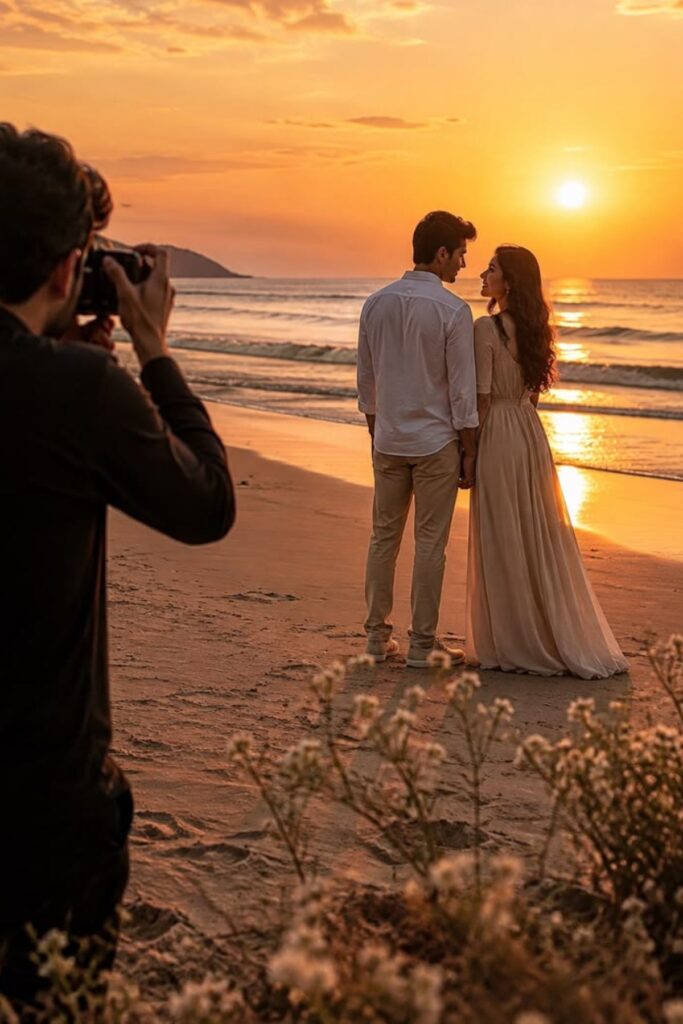
Your wedding photographs and videos preserve moments that you can revisit for years.
Luxury destination weddings often involve beautiful scenery, several events, and guests traveling from different locations.
An experienced creative team helps capture these details throughout the celebration.
Choose a photographer whose work reflects the style you prefer. Some couples love natural photographs that capture genuine interactions, while others prefer carefully directed portraits.
You can also combine both approaches to document the ceremony and reception. Review complete wedding galleries instead of relying entirely on selected social media photographs.
Destination photography requires additional preparation. Your photographer should understand outdoor lighting, changing weather, and the venue’s surroundings.
Discuss the best locations for couple portraits and family photographs before the wedding.
You can also schedule a separate photography session to capture the destination without interrupting the celebration.
Videography provides another way to preserve the experience. A professional videographer can document the ceremony, speeches, performances, and special interactions.
Some couples also request short highlight films that capture the atmosphere of the wedding weekend.
Discuss the final video format, editing timeline, and delivery arrangements before signing an agreement.
Entertainment also contributes to the atmosphere. You might hire a live band, professional DJ, string quartet, acoustic musician, or cultural performance group.
The right entertainment should complement your wedding style and suit your guests’ preferences.
Consider the different stages of your celebration when planning music. Instrumental performances can accompany the ceremony, while softer music may suit cocktail hour and dinner.
A live band or DJ can create an energetic atmosphere during the reception. You can also arrange special songs for important moments, including your entrance and first dance.
Cultural entertainment can make the occasion even more personal. Traditional musicians and dancers can introduce guests to important parts of your heritage.
Make sure you explain unfamiliar performances when necessary, especially when guests come from different backgrounds.
Discuss sound restrictions, equipment requirements, performance schedules, and venue arrangements with your entertainment team.
Some destinations have rules concerning outdoor music and late-night events. Confirming these details early helps prevent interruptions.
Your photography and entertainment teams should also coordinate their schedules to capture important moments without interfering with one another.
Personalized Guest Experiences and Welcome Gifts
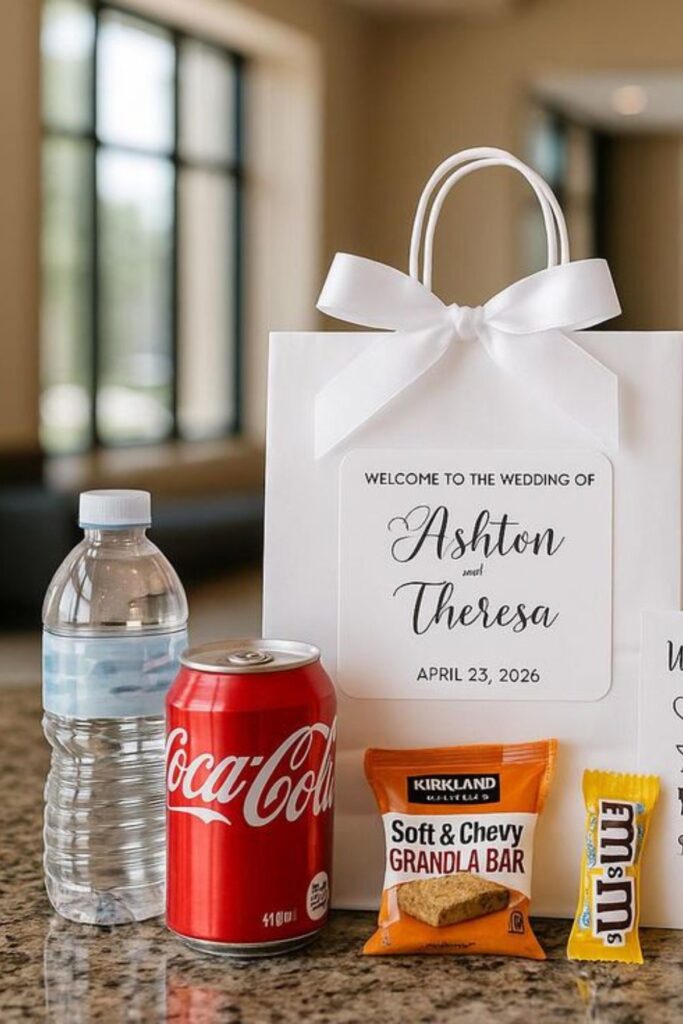
Luxury destination weddings often extend beyond the ceremony and reception. Couples create enjoyable experiences that allow guests to connect, relax, and explore the destination.
These thoughtful arrangements help visitors feel appreciated after making the effort to attend.
A welcome package is a lovely way to introduce guests to the celebration.
You can prepare bags containing bottled water, local snacks, sunscreen, handwritten notes, and useful destination information.
Include an itinerary showing important wedding events and suggested activities. Guests will appreciate having these details available when they arrive.
Your welcome gifts can also reflect the destination. Handmade souvenirs, locally produced candles, personalized luggage tags, and regional treats make thoughtful choices.
You can add the couple’s names or wedding date to selected items. Practical gifts often work especially well because guests can use them during the trip.
Organized activities provide another opportunity to make the weekend memorable. Consider guided sightseeing, boat excursions, cooking classes, cultural tours, or group visits to local attractions.
Beach destinations may offer relaxing coastal experiences, while historic cities provide opportunities to explore architecture and local history.
You do not need to schedule activities for every moment. Guests may want time to relax, explore independently, or enjoy the hotel facilities.
Make additional experiences optional and communicate any separate costs clearly. This allows visitors to participate according to their interests and budgets.
A welcome party or rehearsal dinner can bring everyone together before the main celebration. You might organize a relaxed beachfront dinner, garden gathering, or cocktail reception.
These events allow guests from different families and locations to meet before the wedding.
A farewell brunch provides a pleasant ending to the wedding weekend. You can host it beside a pool, in a garden, or at a beautiful restaurant.
Serve a relaxed menu featuring fresh fruit, pastries, local dishes, and refreshing drinks. This final gathering gives you an opportunity to thank everyone for attending.
Personalized guest experiences do not always require large budgets. A thoughtful welcome note, clear itinerary, and helpful local recommendations can make a meaningful difference.
Focus on arrangements that help your guests feel comfortable and included throughout the celebration.
Elegant Wedding Attire and Professional Beauty Services
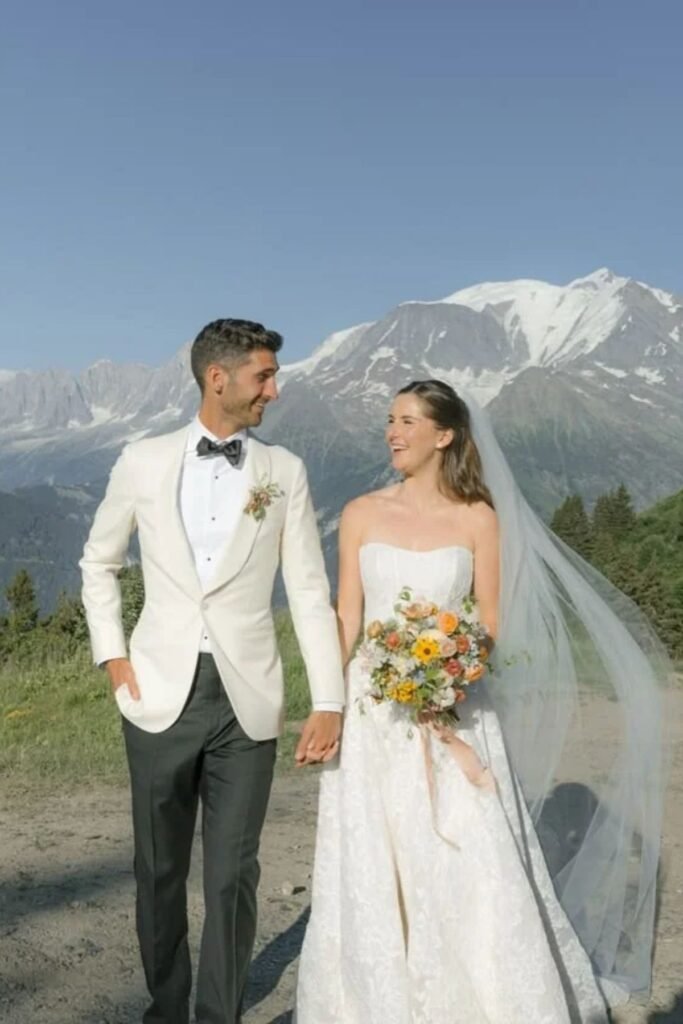
Wedding attire should complement your destination, venue, and preferred celebration style.
Luxury destination weddings often feature carefully selected outfits that look beautiful while remaining suitable for the location.
Your clothing choices should also reflect the formality of each wedding event.
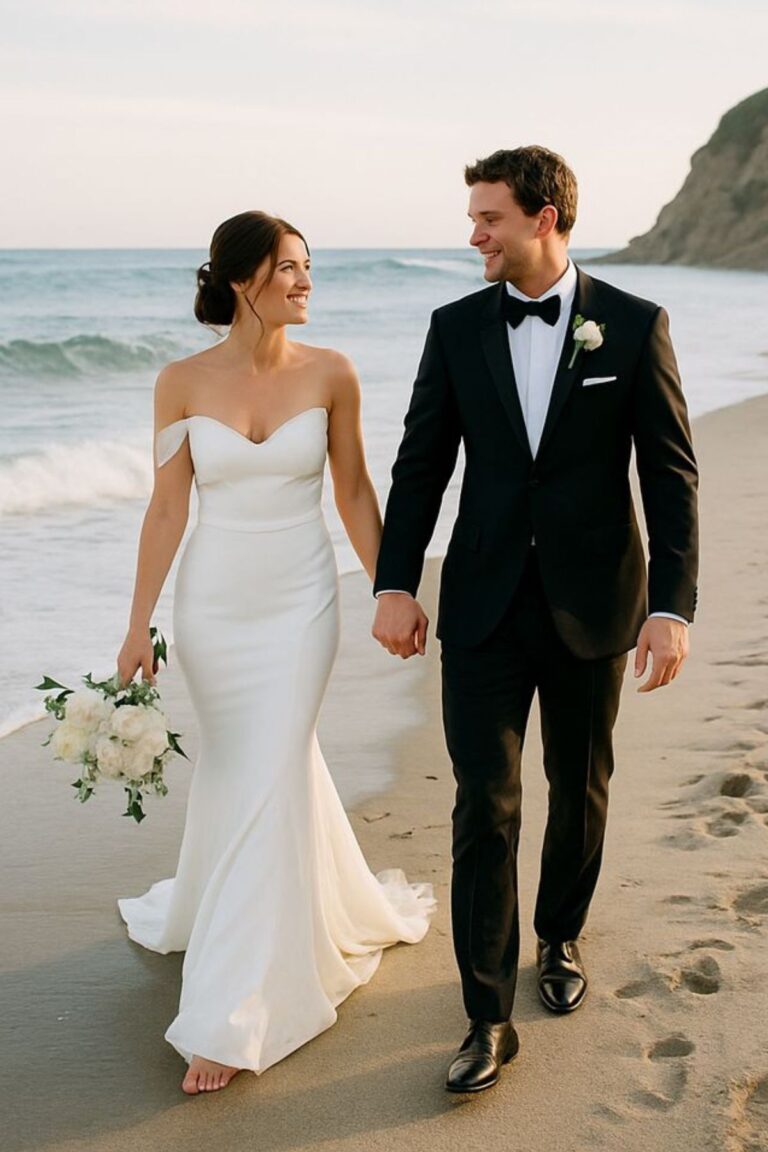
A flowing gown may suit a beachfront ceremony, while a structured dress could complement a historic estate.
A garden wedding might call for a romantic design with delicate details.
The groom’s outfit should coordinate with the overall style without making the couple’s appearance feel overly formal for the setting.
Comfort deserves attention when choosing wedding attire. Consider the climate, walking surfaces, ceremony length, and planned activities.
Heavy fabrics may feel uncomfortable in warm destinations, while long trains may require extra attention on sandy or uneven surfaces.
Suitable footwear can also make a difference during outdoor celebrations.
You may need additional outfits for the wedding weekend. Welcome parties, rehearsal dinners, farewell brunches, and other gatherings can have different dress codes.
Include this information in your wedding itinerary so guests understand what to wear. This also helps everyone prepare suitable clothing for the destination.
Professional hair and makeup services can help complete your wedding look. Choose artists who understand the local climate and have experience working at outdoor events.
Heat, humidity, wind, and sunlight may affect certain hairstyles and makeup products. An experienced artist can recommend suitable options for your setting.
Schedule a trial appointment before the wedding whenever possible. This gives you time to discuss your preferred appearance and make adjustments.
You can also test how the selected hairstyle and makeup look in natural light and photographs. Share inspiration images with your artist, but remain open to professional suggestions.
Consider arranging beauty services for members of your wedding party. Confirm the number of artists, preparation schedule, service costs, and required equipment.
Everyone should have enough time to get ready without creating unnecessary delays. A well-planned preparation schedule makes the morning more relaxed.
Personalized Details, Cultural Traditions, and Wedding Favors

The most memorable luxury destination weddings reflect the couple’s personalities and relationship. Expensive decorations cannot replace thoughtful details that make the celebration feel personal.
Your choices should communicate something meaningful about your story, interests, and families.
You can display photographs from important moments in your relationship. A memory table might feature pictures of your families, travels, or experiences together.
You could also include favorite songs, meaningful readings, or handwritten messages during the ceremony. These details help guests understand the story behind your celebration.
Cultural traditions can make the wedding even more personal. You might include traditional clothing, music, dances, ceremonies, or dishes connected to your heritage.
These elements can help families celebrate their backgrounds while introducing guests to meaningful customs.
Consider explaining unfamiliar traditions through your wedding program or a short announcement. Guests may appreciate understanding the significance of each activity.
You can also work with local performers, musicians, and artisans who understand the cultural elements you want to feature.
Wedding stationery provides another opportunity to express your style. Elegant invitations, printed menus, personalized place cards, and coordinated signage can create a consistent appearance.
Your stationery might feature illustrations inspired by the destination or colors that match your wedding design. Keep the information clear so guests can easily understand the arrangements.
Wedding favors give guests a small reminder of the celebration. You might choose personalized candles, handmade soaps, regional treats, miniature souvenirs, or practical travel accessories.
Consider gifts that guests can easily pack and carry home. Attractive packaging can make simple gifts feel thoughtful and special.
You can place favors at reception tables, inside welcome bags, or near the venue entrance.
Add a short thank-you message to make each gift feel personal. Your message does not need elaborate wording to express genuine appreciation.
These details help your wedding feel connected to your relationship rather than following a standard event design.
Choose traditions and personal touches that matter to you. Guests often appreciate the meaning behind a detail as much as its appearance.
A Detailed Budget, Wedding Timeline, and Backup Plan

Luxury destination weddings require careful financial planning because expenses can extend beyond the ceremony and reception.
You may need to pay for the venue, accommodation, travel, catering, decorations, entertainment, photography, and transportation.
A clear budget helps you understand your priorities before making commitments.
Start by identifying the elements that matter most to you. You might prioritize an exclusive venue, exceptional photography, guest accommodation, or a particular dining experience.
Allocate your budget according to these preferences instead of spending heavily on every available service.
Request detailed quotations from your vendors before confirming bookings. Check whether prices include taxes, service charges, delivery, setup, and additional working hours.
International payments may also involve currency exchange fees. Remember to account for deposits, payment deadlines, and cancellation policies.
Keep written records of agreements and payment confirmations. This helps you track expenses and understand what each supplier has promised to provide.
You should also maintain a separate allowance for unexpected costs. Small expenses can accumulate quickly when several vendors and events are involved.
A detailed wedding timeline is equally important. Your schedule should cover preparation, photography, transportation, the ceremony, cocktail hour, dinner, speeches, and entertainment.
Include the timing of welcome events and other activities throughout the wedding weekend. Share relevant schedules with your planner, vendors, and wedding party.
Leave enough time between activities to accommodate small delays. Guests may need additional time to move between locations, especially when the venue covers a large property.
Outdoor photography may also require adjustments because of changing daylight. A realistic schedule gives everyone room to complete their responsibilities.
Weather arrangements deserve special attention when planning an outdoor celebration. Rain, strong winds, and extreme temperatures can affect decorations, guest comfort, and event schedules.
Ask your venue about indoor alternatives, covered spaces, tents, and suitable equipment. Confirm who makes the final decision if the weather changes.
You should also understand the destination’s legal requirements. Some countries have specific rules concerning marriage documentation, residency periods, witnesses, and ceremony arrangements.
Contact the relevant authorities or qualified local professionals before making assumptions. You may need to complete certain legal procedures before traveling.
A strong backup plan does not mean expecting problems throughout your wedding. It simply prepares you to handle unexpected changes without unnecessary confusion.
When your budget, timeline, vendors, and alternative arrangements are clear, you can enjoy the celebration with greater confidence.