
Nobody Warned Me About This Destination Wedding Problem
Disclosure: Some of the links in this post are affiliate links. This means if you click on the link and purchase an item, I will receive an affiliate commission at no extra cost to you.
Planning a destination wedding sounds like a dream until one destination wedding problem turns that dream into a juggling act. You picture ocean views, happy guests, and beautiful photos, yet small details can quickly become stressful. I learned that the hard way, because some problems only become obvious after everyone books their flights.
The biggest surprise was realizing that distance changes almost every part of wedding planning. A simple question can take days to answer when vendors work in another time zone. That experience taught me why nobody warned me about this destination wedding problem.
Nobody Warned Me About This Destination Wedding Problem
Your Vendors May Not Work On Your Schedule

One destination wedding problem that surprises couples involves vendor communication and response times.
At home, you can call a vendor and expect an answer within the same business day. That rhythm can change completely once your wedding takes place several hours away.
Time zones can create awkward gaps between your schedule and your vendor’s working hours.
You might send an urgent question before breakfast and receive an answer late at night. By then, another decision may already depend on that missing information.
Local working habits can create another surprise for American couples planning overseas weddings.
Some vendors may handle timelines differently from what you have experienced at home. Their approach may still work perfectly, but it can feel unfamiliar during stressful planning.
The smartest move is creating a clear communication system before signing contracts. Choose one primary contact for each vendor, then keep important conversations in writing.
A shared document can also keep names, deadlines, payments, and decisions together.
Give yourself extra response time whenever an important decision involves an overseas vendor. Waiting until Friday for an answer can become frustrating when Monday is your deadline.
A little breathing room can save you from chasing people during an already busy week.
Brides recommends working with professionals familiar with the destination and arranging support locally.
Your Guests May Struggle More Than They Admit

Another destination wedding problem can appear when guests quietly struggle with travel arrangements.
Your wedding may feel exciting to you, but the journey can feel complicated for others. Flights, hotel costs, passports, transportation, and time away from work can quickly add up.
Some guests may also feel nervous about visiting a place they have never experienced. They might wonder about transportation, weather, local customs, food, or communication.
Unfortunately, many guests will not mention those concerns because they do not want to disappoint you.
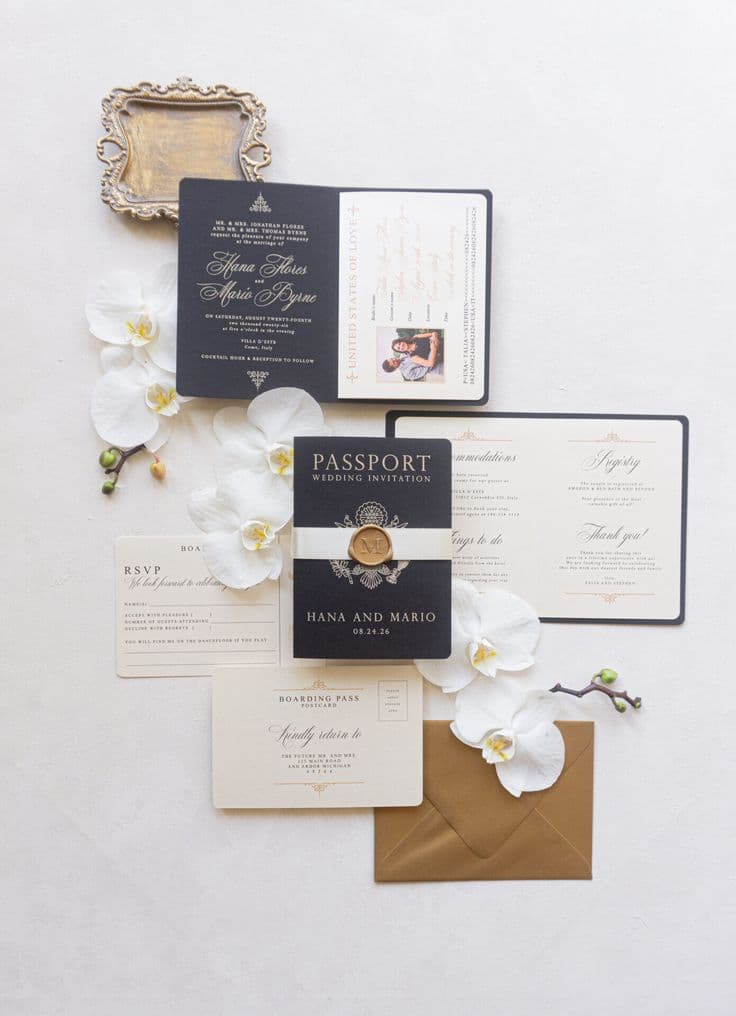
That is why clear information matters long before the wedding invitations arrive. Create a simple wedding website with flight suggestions, hotel options, transportation details, and local information.
Include several accommodation choices so guests can select something within their budgets. You should also explain which events are required and which activities are optional.
Guests may appreciate joining a welcome dinner, but they might need downtime afterward. Giving people breathing room can make the entire weekend feel more enjoyable.
Think about older guests, guests with children, and anyone traveling with mobility concerns. A beautiful venue becomes less appealing when reaching it requires several difficult transfers.
The location should work for your actual guest list, rather than looking beautiful online.
The Weather Can Completely Change Your Plans

Weather is another destination wedding problem that couples sometimes discover far too late.
A location can look perfect in photographs while having unpredictable weather during your chosen month.
That gorgeous outdoor ceremony may suddenly become impossible because of rain, wind, or extreme heat.
Many couples focus heavily on finding the prettiest season for their destination.
However, the prettiest season is not always the easiest season for a wedding. Peak travel periods can also bring higher prices, heavier crowds, and limited accommodation.
Before choosing your date, research the destination’s typical weather patterns carefully. Look at rainfall, storms, temperatures, humidity, and seasonal travel conditions.
You should also check major local events that could affect transportation and hotel availability. Most importantly, never treat your backup plan like an optional decoration.
Ask exactly where your ceremony moves if outdoor conditions suddenly become unsafe. Then ask how quickly the venue can transform that space.
You should also understand what happens to outdoor photography when weather changes. Your photographer may have excellent indoor alternatives, but those locations need planning beforehand.
A rainy afternoon should not become the first time everyone sees the backup room.
Small Costs Can Become Very Big Costs

Here is another destination wedding problem that can sneak up on couples quietly.
You may build a beautiful budget and still discover dozens of expenses missing from it. Those smaller charges can pile together until your original number looks surprisingly optimistic.
Airport transfers are one example that couples sometimes overlook during early planning. Y
ou may also need to consider baggage fees, shipping charges, vendor travel, and gratuities. Welcome events, transportation between venues, and additional hotel nights can increase spending too.
Currency differences can make budgeting harder when prices change between countries. A service that looks affordable online may cost considerably more after taxes and fees.
Your credit card may also add foreign transaction charges depending on its terms. Create a separate category for travel-related wedding expenses before signing major contracts.
Keep a cushion for costs that appear during the final weeks of planning. That cushion can cover small emergencies without forcing you to sacrifice something important.
Ask every vendor for the complete price before confirming the service. You should know about delivery fees, setup charges, overtime, taxes, and payment requirements.
A low starting price does not always represent the final amount you will pay.
Legal Requirements Can Become A Surprise

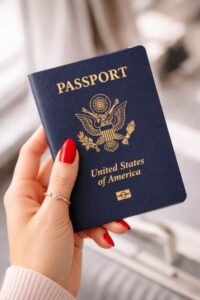
Another destination wedding problem can appear when couples discover that getting legally married abroad requires extra paperwork.
The ceremony you imagine and the marriage recognized by the local government may involve different requirements.
Some destinations require specific documents, translations, certificates, witnesses, or waiting periods.
Others may require paperwork before you arrive, which can create another deadline during an already busy planning period.
This can become especially stressful when your documents contain different names or outdated information.
Even a small mismatch can lead to additional questions from officials. That is why checking the requirements early can save you from unpleasant surprises.
Start by contacting the appropriate government office in your destination. Ask for the current marriage requirements and request everything in writing.
Rules can vary based on nationality, previous marital status, and the location where you plan to marry.
You should also check whether your marriage will be recognized where you live. A beautiful ceremony means little if you return home and discover additional registration steps.
Couples sometimes choose a courthouse ceremony at home before traveling for this reason.
That option can simplify the legal side while allowing you to enjoy the destination celebration with your loved ones. Your guests may never even know which ceremony created the legal marriage.
The important thing is understanding the difference between the legal ceremony and the wedding celebration. Once you know what each requires, the paperwork becomes much easier to manage.
Shipping Wedding Items Can Become A Headache
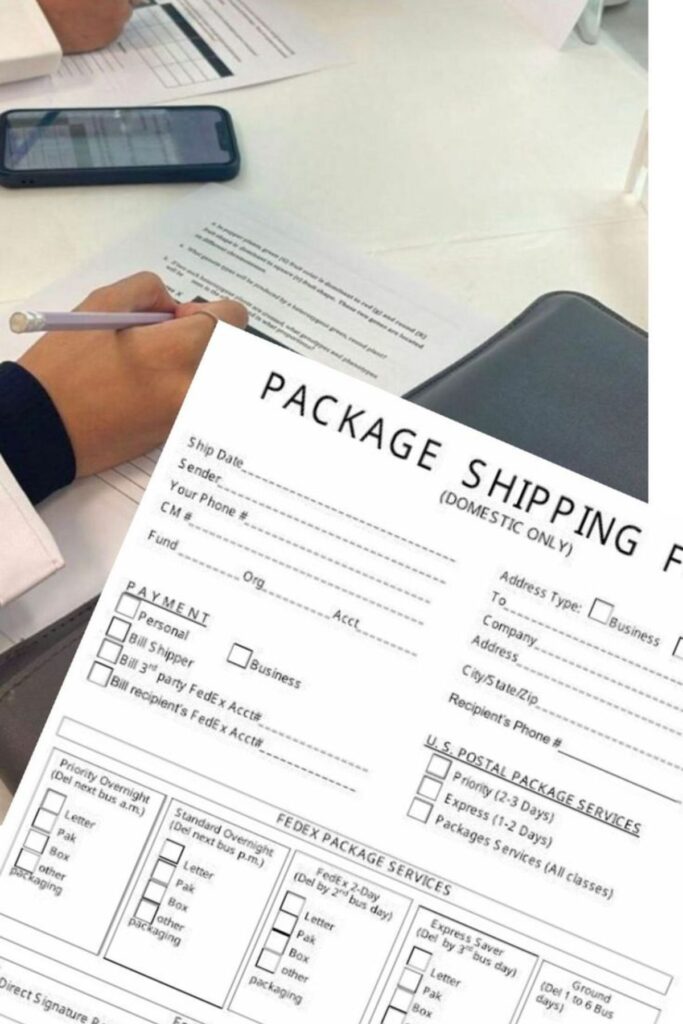
Shipping can become another destination wedding problem when couples assume their favorite wedding items will arrive without trouble.
That assumption can become expensive when packages are delayed, damaged, or held by customs.
You might want to bring welcome bags, decorations, favors, specialty shoes, or personal accessories from home.
However, every additional box creates another responsibility during your travel preparations.
International shipping can also involve customs forms, import charges, delivery restrictions, and unexpected delays.
Something that normally arrives within a few days may require much longer when crossing borders.
Before shipping anything, ask the venue whether they accept packages for wedding clients. Find out how early they can receive deliveries and whether storage fees apply.
You should also provide clear labels with your wedding date and contact information.
For valuable or fragile items, consider carrying them personally whenever possible. Important documents, jewelry, wedding rings, and irreplaceable accessories should stay with you instead of traveling separately.
You can also purchase certain items after arriving if local options are suitable. That approach may reduce luggage and shipping concerns while supporting businesses near your venue.
Local Vendors May Have Different Expectations

Working with local vendors can introduce another destination wedding problem because business practices may differ from what you know.
Those differences do not automatically mean something is wrong, but they can create confusion. You may expect detailed contracts, instant replies, online payment systems, and precise timelines.
A local vendor may operate differently while still delivering excellent service.
Communication can also become tricky if you and the vendor speak different first languages. Even when everyone understands English, certain phrases can carry different meanings.
This is where clear written agreements become extremely important. Confirm the service, price, arrival time, setup responsibilities, cancellation terms, and payment schedule before the wedding.
Ask specific questions instead of assuming everyone understands the same plan. For example, do not simply ask if flowers are included.
Ask exactly how many arrangements you receive and where they will be placed.
Local planners can also help bridge communication gaps because they understand the area’s vendors and customs.
They may know which questions to ask before you even realize those questions matter.
A destination wedding problem often feels bigger because couples lack someone nearby who understands the situation.
Having a trusted local professional can give you another set of eyes when something changes.
Your Wedding Weekend Can Become Too Busy
Another destination wedding problem can happen when couples schedule every available minute.
After asking guests to travel several hours, it feels tempting to create activities for the entire weekend.
Welcome dinners, beach outings, brunches, rehearsal events, group tours, ceremonies, receptions, and farewell meals can quickly fill every calendar space.
At first, that schedule may look exciting because everyone gets more time together. However, guests also need time to rest, unpack, explore independently, or simply sit by the pool.
You and your partner will probably need that breathing room even more. Wedding weekends can involve early mornings, late nights, photographs, vendor meetings, and constant socializing.
Instead of planning something for every hour, choose the events that genuinely matter to you. Make optional activities clearly optional so guests never feel pressured to attend everything.
You can also provide suggestions for nearby restaurants, attractions, beaches, shops, and quiet activities. That gives guests freedom without leaving them wondering what to do.
Remember that your wedding is a celebration, not a group vacation itinerary that requires perfect attendance. People will enjoy the weekend more when they have room to make their own choices.
A little empty space on the schedule can actually make the important moments feel more special. Sometimes the best memories happen between the events nobody planned.
Transportation Can Become A Bigger Issue Than Expected

Transportation creates another destination wedding problem that couples sometimes underestimate.
A venue may look close to the hotel on a map, yet the actual journey can take much longer. Road conditions, traffic, weather, local events, and unfamiliar routes can affect travel times.
Guests who arrive late may miss photographs, cocktail hour, or even part of your ceremony.
Do not rely completely on standard map estimates when planning your wedding timeline. Ask local vendors how long transportation normally takes during your chosen season.
You should also confirm pickup locations carefully because large resorts can have several entrances.
A driver waiting at the wrong entrance can create confusion when dozens of guests are ready to leave.
Give guests clear transportation instructions through your wedding website and welcome materials.
Include pickup times, meeting points, vehicle descriptions, and contact information.
If guests are renting cars, explain parking arrangements and any local driving concerns they should know. Some people may prefer organized transportation because they are unfamiliar with the area.
Your wedding party may also need separate transportation for rehearsals, photographs, or getting ready. Those extra trips should appear in your transportation budget from the beginning.
Ask the transportation company about delays, overtime, cancellation policies, and additional stops. A vehicle waiting longer than expected can sometimes create another charge.
Good transportation planning does not need to feel glamorous, but it can quietly keep your entire wedding schedule together.
When everyone knows where to stand and when to leave, the weekend becomes much calmer.
Food Expectations Can Surprise You
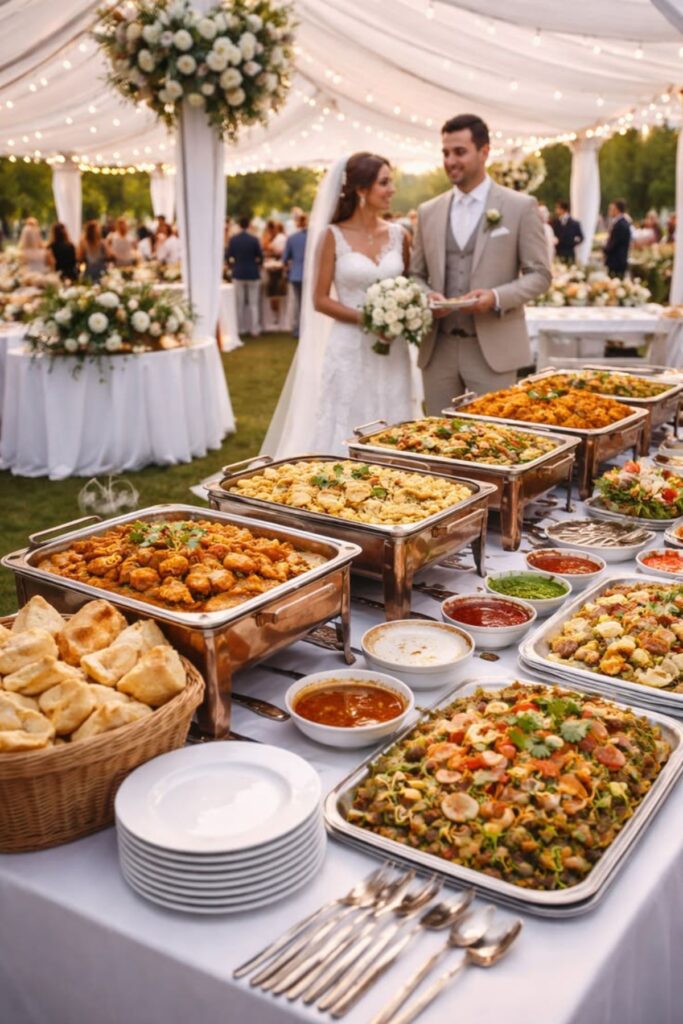
Food can become a destination wedding problem when your expectations do not match local availability.
You may have a specific menu in mind, but the destination may use different ingredients or preparation methods.
This does not mean you need to abandon your favorite dishes. Instead, discuss your menu early and ask what the kitchen can realistically provide.
Imported ingredients can cost more, especially when they are difficult to source locally. Certain specialty products may also require advance ordering, which can affect your final catering bill.
Dietary restrictions deserve special attention because guests may have allergies or specific dietary needs. Give your caterer accurate information early instead of waiting until the wedding week.
You should also ask how food is stored and transported, particularly if your celebration takes place outdoors. Local climate can affect ingredients, cakes, desserts, and other temperature-sensitive items.
Tasting the menu before the wedding may not always be possible, especially when you live far away.
If you cannot visit beforehand, ask for detailed descriptions and recent photographs. Some couples schedule a tasting during their first destination visit, which can make the trip serve two purposes.
It also gives you an opportunity to discuss changes face-to-face.
Remember that local food can become part of the experience instead of another obstacle. Guests often enjoy trying regional dishes, especially when the menu includes familiar choices too.
The goal is finding a comfortable balance between your preferences and what works naturally at the destination.
You May Feel Like You Have To Entertain Everyone

Another destination wedding problem can become emotional rather than logistical. This because your guests traveled for your wedding, you may feel responsible for keeping everyone entertained.
That pressure can make couples plan activities from sunrise until bedtime. Soon, your romantic wedding weekend starts feeling like a conference schedule with matching outfits.
Your guests probably understand that they have traveled for the celebration, but they also chose to visit the destination. Some may want quiet mornings, private time, or spontaneous adventures.
You can make the weekend easier by giving guests information instead of constant instructions. Share restaurant suggestions, sightseeing ideas, transportation options, and nearby attractions.
You might organize one welcome event and one farewell gathering outside the wedding itself.
Everything else can remain optional, allowing guests to create their own experience.
This also gives you and your partner a chance to spend private time together. After months of planning, you deserve moments where nobody needs an answer from you.
A destination wedding should bring people together without making you responsible for every moment.
Give yourself permission to enjoy the place, the people, and the celebration.
That change in mindset can make a tremendous difference. Your guests traveled because they wanted to celebrate with you, not because they expected you to become their personal tour guide.