

How To Help Guests Plan For A Destination Wedding
Disclosure: Some of the links in this post are affiliate links. This means if you click on the link and purchase an item, I will receive an affiliate commission at no extra cost to you.
A destination wedding can be an incredible experience, but guests need practical information before booking flights or packing suitcases. Knowing how to plan for a destination wedding helps friends and family feel prepared, especially with passports, hotels, transportation, and time away from work. As the couple, you can make the process easier by sharing useful details early instead of leaving everyone to piece things together.
Your guests should feel excited about joining you, rather than wondering about costs, accommodation, or getting around after landing. A little planning from you can save everyone a mountain of questions later, while helping guests make choices that fit their budgets. If you want your loved ones to enjoy the journey from start to finish, this guide explains How To Help Guests Plan For A Destination Wedding.
Related Post: Why Destination Weddings Go Over Budget (And How To Stop It)
How To Help Guests Plan For A Destination Wedding
Share The Wedding Details Early

Giving guests plenty of notice is one of the most helpful things you can do before a destination wedding.
Unlike a local celebration, guests may need to arrange flights, hotel rooms, passports, childcare, and vacation days.
Those plans become easier when everyone knows the wedding date and location several months ahead.
Start with a simple save-the-date that clearly states the destination and wedding date. You can follow with a wedding website containing additional travel information as your plans become definite.
The website can include hotel suggestions, airport details, transportation information, and answers to common questions.
Early communication also helps guests compare travel costs before making commitments. Someone may find an affordable flight today that costs considerably more several months later.
Giving them time can make a meaningful difference, especially for guests traveling with children or large families.
If your destination requires international travel, remind guests to check their passports early. Some countries require passports to remain valid for several months after the travel date.
Sharing that information early can prevent an avoidable last-minute panic.
Recommended Post: 25 Wedding Welcome Bag Ideas
Create A Simple Wedding Website

A wedding website can become the central information hub for everyone attending your destination celebration.
Instead of answering the same travel questions repeatedly, you can place essential details in one easy-to-find location.
Include the wedding date, venue, airport information, hotel recommendations, transportation details, and a basic itinerary.
You can also add information about local weather, currency, dress expectations, and nearby attractions.
Guests will appreciate having those details available while comparing flights and making hotel reservations.
When helping guests plan for a destination wedding, keep the website easy to scan. Nobody wants to read a digital novel before finding the hotel address.
Use clear headings and short sections so guests can quickly locate whatever they need. It can also help to include contact information for your wedding planner or travel coordinator.
Guests may have personal questions that you cannot answer immediately, especially during the final weeks.
For additional guidance, Destination Weddings’ guide to managing guest travel and RSVPs offers practical information about guest communication, travel details, and accommodation planning.
Read Also: 15 Destination Wedding Welcome Bag Ideas Everyone Loves
Give Guests Several Hotel Options

Hotel costs can vary significantly, so offering several accommodation choices can make your wedding more accessible.
Instead of recommending one property, consider providing options across different price ranges.
You might suggest the main wedding hotel, a moderately priced nearby hotel, and a budget-friendly option.
Guests can then choose accommodations based on their finances, preferences, and travel plans.
If your venue has room blocks, explain how guests can reserve rooms and mention the booking deadline.
Room blocks can be helpful, but guests should understand that availability may disappear after the deadline. Also explain how far each hotel sits from the wedding venue.
A cheaper room may become less attractive if guests need expensive transportation several times each day.
When you help guests plan for a destination wedding, accommodation details should be practical rather than promotional.
Tell them what each option offers, what it costs, and how they can get to the venue. If breakfast, airport transfers, resort fees, or parking costs apply, mention those details as well.
Unexpected fees can quickly turn an affordable-looking hotel into a surprisingly expensive choice.
Check Out: The Biggest Guest Complaints About Destination Weddings
Explain Flight And Airport Options

Flights can become one of the biggest expenses for destination wedding guests, so useful airport information can make planning easier.
Tell guests which airport is closest to the wedding venue and explain how long the transfer usually takes. If there are multiple airports nearby, mention the differences between them.
One airport may offer cheaper flights, while another may provide a shorter and simpler transfer.
You can also suggest when guests should consider booking their flights, especially if your wedding falls during a busy travel season.
Avoid telling everyone to purchase tickets on one specific date unless you have reliable travel information.
Instead, encourage guests to compare prices and consider flexible travel dates when possible.
Arriving one day before the wedding can also provide a useful cushion if delays or cancellations occur.
For international weddings, remind guests to check airline baggage rules before packing. Wedding attire can require additional luggage, especially for guests carrying formal clothing or accessories.
If several guests are flying from the same city, they may also enjoy coordinating their travel plans. A shared group chat can make this easier and turn airport arrivals into the beginning of the celebration.
Next Post: 15 Destination Wedding Welcome Bag Ideas Everyone Loves
Explain Transportation After Arrival

Once guests land, they need to know how they will reach the hotel and wedding venue.
Leaving transportation arrangements vague can create unnecessary stress, especially in an unfamiliar destination.
Tell guests whether airport transfers will be provided or if they should arrange transportation independently.
If you are providing transportation, explain where guests should meet the driver and what time transfers will operate.
For guests arranging their own rides, provide practical information about taxis, rideshare services, rental cars, or hotel shuttles.
If certain transportation services are unavailable, mention that clearly before guests book their flights.
A simple transportation schedule can make the wedding weekend much smoother. For example, you might arrange group transportation from the hotel to the ceremony and reception.
You can also provide return transportation after the reception so guests do not search for rides late at night. Helping guests plan for a destination wedding means thinking beyond the ceremony itself.
Transportation is one of those small details that can quietly make the entire experience feel organized.
See Also: How To Keep Guests Happy During A Destination Wedding
Give Guests A Realistic Budget

Money can be an uncomfortable subject, but destination wedding guests need realistic cost information before committing to the trip.
You do not need to calculate every dollar, although a general estimate can help guests make informed decisions.
Consider listing typical costs for flights, accommodations, transportation, meals, and optional activities.
You can also mention whether the wedding venue includes meals or whether guests should budget separately.
Be honest about additional resort fees, local taxes, baggage costs, or transportation expenses if you know about them.
A guest who understands the likely total cost can plan comfortably instead of discovering surprise expenses after arrival.
If your wedding requires several nights at a resort, explain the expected length of stay.
Some guests may prefer to arrive early or stay longer, while others may need to leave soon after the wedding.
When helping loved ones plan for a destination wedding, remember that every guest has different financial circumstances.
Avoid making assumptions about what people can afford, even if the destination seems reasonably priced.
A little transparency can go a long way, especially when guests are deciding whether they can realistically join the celebration.
Next Post: 17 Things Couples Always Forget To Plan For A Destination Wedding
Share Passport And Visa Information
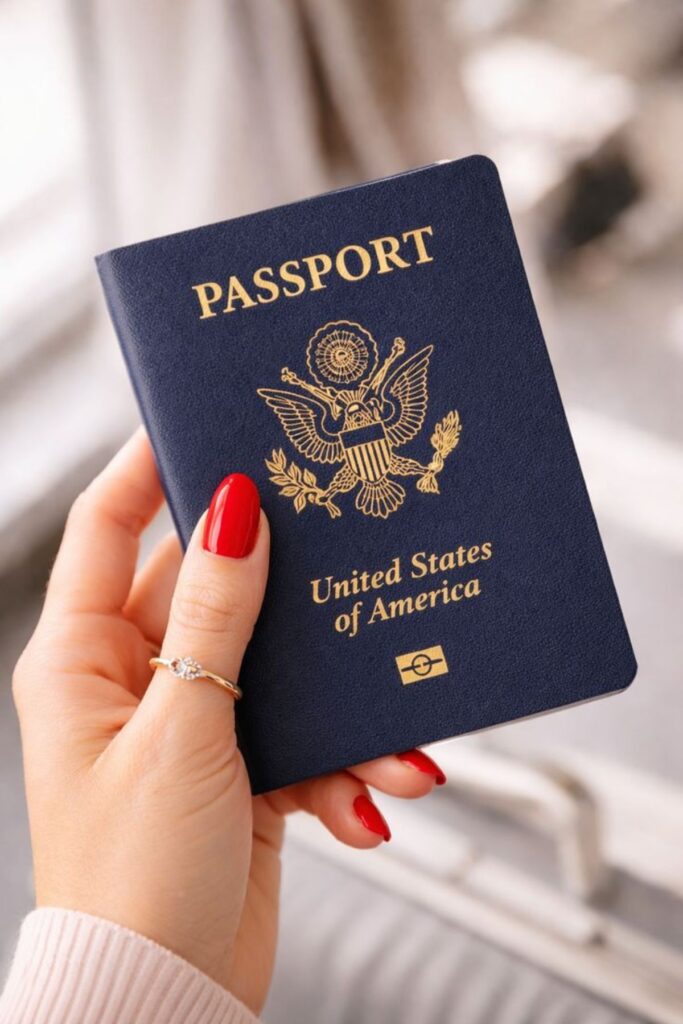
International guests may need passports, visas, travel authorizations, or other documents before attending your wedding.
Giving them this information early can prevent stressful surprises as the departure date gets closer.
You should also remind guests to check entry requirements through official government sources before making final travel arrangements.
If you are helping guests plan for a destination wedding abroad, provide the country’s official immigration website whenever possible.
Your wedding website can explain which documents guests may need, although each traveler remains responsible for checking their own requirements.
This distinction matters because requirements can differ based on nationality, residency, or previous travel history.
Guests should also check their passport expiration dates before booking nonrefundable travel.
Some destinations require several months of remaining passport validity beyond the planned departure date.
Others may require blank pages, proof of onward travel, or specific entry documentation. You can make things easier by adding a simple document checklist to your wedding website.
Include passports, visas, travel insurance documents, hotel confirmations, and copies of important reservations.
A checklist can save guests from remembering everything while juggling work, packing, and wedding excitement.
Read Also: The Biggest Destination Wedding Regrets Brides Have
Give Guests A Realistic Timeline

A destination wedding becomes much easier to manage when guests understand what needs attention and when.
Instead of sending every detail at once, provide important information according to a simple timeline.
This keeps guests informed without making their inbox feel like a wedding-planning command center.
Start with the date and destination when sending your save-the-date announcement.
Later, provide accommodation information, transportation details, and travel recommendations once those plans become confirmed.
Closer to the wedding, share the final itinerary, contact information, and arrival instructions.
If you want guests to plan for a destination wedding comfortably, give reminders without making them feel pressured.
A friendly message several weeks before the trip can remind them to confirm reservations and review their documents.
Another message shortly before departure can include weather information and the final transportation schedule.
A clear timeline can also help guests who are traveling with children or requesting time away from work.
They can make arrangements gradually instead of handling everything during the final few weeks.
The goal is simple, steady communication that keeps everyone prepared without overwhelming them.
Find Out: The Hidden Costs Of Destination Weddings Nobody Warns You About
Share The Expected Wedding Weekend Schedule
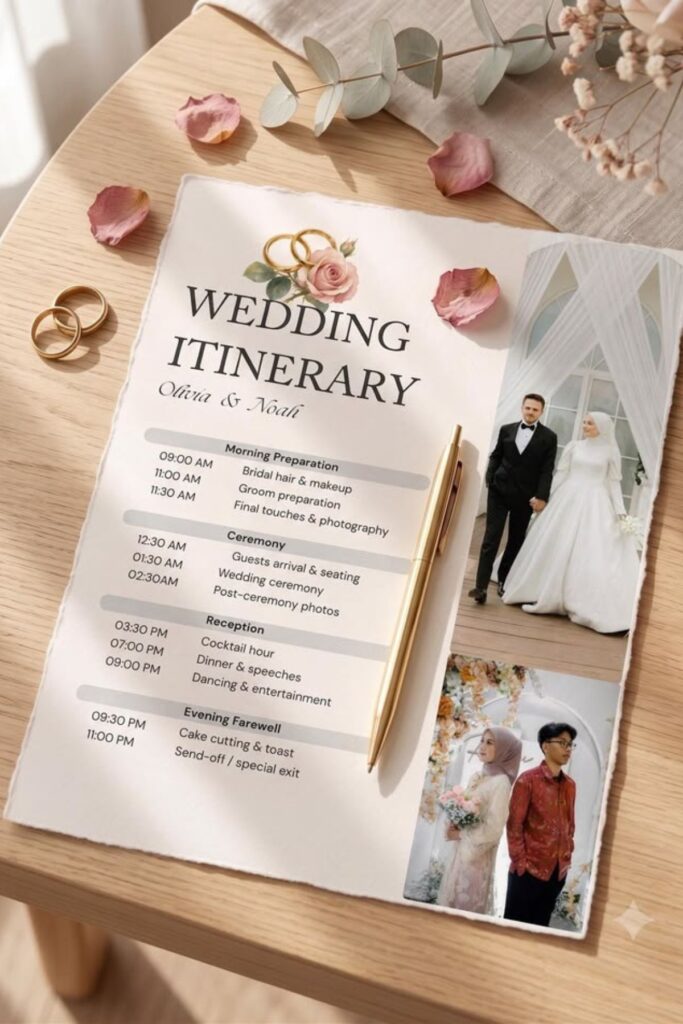
Guests often appreciate knowing what the wedding weekend will look like before they arrive.
A basic itinerary allows them to understand which events are expected and which activities are completely optional.
This distinction becomes especially helpful when guests are spending several days at the destination.
Start with the main wedding events, including the ceremony, reception, welcome gathering, and farewell event if applicable.
Include dates, approximate times, locations, and dress expectations whenever those details are confirmed. You can also mention which events require separate transportation or reservations.
If you plan optional activities, make that clear so guests never feel obligated to attend everything.
Some guests may want to explore independently, sleep late, or simply enjoy a quiet afternoon by the pool. After traveling a long distance, a little downtime can feel like a gift.
When guests plan for a destination wedding, an itinerary also helps them decide how many nights to book.
Someone attending only the ceremony may choose a shorter stay, while another guest may turn the trip into a full vacation.
Keep the schedule flexible enough to accommodate different travel plans and personal preferences.
See Also: 25 Mistakes That Can Ruin Your Destination Wedding (And How To Avoid Them)
Tell Guests What To Wear

Destination wedding attire can become confusing when guests are unfamiliar with the venue, weather, or local customs.
A dress code should give people enough information to choose appropriate clothing without making the instructions unnecessarily complicated.
Instead of writing only “formal” or “cocktail,” explain what those words mean for your particular celebration.
For example, you might mention lightweight formalwear for a tropical evening or comfortable dress shoes for a garden ceremony.
Weather information can also help guests make smarter clothing choices. A beach wedding may require breathable fabrics, while an outdoor mountain ceremony could become chilly after sunset.
Guests should know whether they need jackets, wraps, comfortable shoes, or weather-friendly accessories.
You can also mention practical details about the venue. If the ceremony takes place on sand, grass, or cobblestones, guests will appreciate knowing before choosing their footwear.
Nobody wants to discover that their beautiful stilettos are slowly disappearing into the lawn. Helping guests plan for a destination wedding includes helping them pack realistically.
A few useful clothing notes can save them from bringing an entire closet while still forgetting the one thing they actually need.
Discover: How To Save Money Traveling To A Destination Wedding
Explain Local Weather And Seasonal Conditions

Weather can affect almost every part of a destination wedding, so guests should know what conditions they can expect.
Temperature, rainfall, humidity, wind, and daylight hours can all influence what they pack and how they plan their free time.
Research typical conditions for your wedding month and share practical expectations with your guests.
You can mention average daytime temperatures, cooler evenings, rainy periods, or strong sun if those factors matter.
However, avoid promising specific weather because forecasts can change and seasonal averages cannot predict individual days.
Instead, give guests enough information to prepare several clothing options.
If your wedding is taking place somewhere particularly warm, remind guests about comfortable shoes, breathable clothing, sunscreen, and hydration.
For cooler destinations, suggest layers that guests can remove as temperatures change throughout the day.
When helping guests plan for a destination wedding, remember that some travelers may be unfamiliar with the climate.
A guest from Arizona may pack differently from someone traveling from Maine, even for the same wedding.
Practical weather advice can make the entire trip more comfortable, especially when guests are spending several days outdoors.
Check Out: How To Build The Perfect Wedding Weekend Itinerary
Provide Information About Local Transportation

Guests may feel comfortable traveling once they understand how transportation works at the destination.
Simple information about taxis, rideshare services, buses, trains, rental cars, and hotel shuttles can make a major difference.
Your wedding website can explain the easiest transportation options from the airport to the hotel.
You can also identify which services are available near the wedding venue and whether guests need cash or a transportation app.
If rental cars are unnecessary, tell guests so they can avoid an expense they do not need.
If driving is useful, explain parking arrangements and whether the destination requires special permits or documentation.
For guests who prefer not to drive, organized transportation can provide extra peace of mind.
Consider arranging group shuttles between the main hotel and wedding venue if the locations are not within walking distance.
You should also explain the schedule clearly so guests know where to meet and when vehicles will depart.
A simple transportation plan can prevent the classic wedding problem of twelve people standing outside the hotel asking, “Does anyone know where the bus is?”
Next Post: 23 Minimalist Wedding Dress Ideas
Recommend Travel Insurance

Travel insurance can give guests additional financial protection when unexpected problems affect their trip.
Flights can be delayed, luggage can disappear, and personal emergencies can force so Cmeone to cancel plans unexpectedly.
You do not need to recommend a specific insurance provider unless you have a genuine reason to do so.
Instead, encourage guests to research coverage that suits their individual travel plans and financial situation.
Guests should review what their policies actually cover before purchasing anything.
Some plans may cover trip cancellations, interruptions, medical emergencies, or delayed baggage, while others have important exclusions.
This can be especially relevant for international destination weddings where medical care and transportation costs may differ significantly.
Guests should also understand how their existing health insurance works outside their home state or country.
When helping guests plan for a destination wedding, present travel insurance as an option worth considering rather than another wedding expense they must accept.
Different travelers have different needs, and some may already have coverage through another source. A little research before departure can provide valuable peace of mind during the trip.






One Comment