

How to Plan a Destination Wedding Step by Step
Disclosure: Some of the links in this post are affiliate links. This means if you click on the link and purchase an item, I will receive an affiliate commission at no extra cost to you.
Planning a wedding in a beautiful location away from home feels like the beginning of an unforgettable adventure. Still, it also involves dozens of important decisions that can quickly pile up.
Learning how to plan a destination wedding helps you stay organized from the very beginning, allowing you to focus on celebrating your love instead of worrying about overlooked details.
The best destination weddings look effortless because of the thoughtful planning behind them, and every successful celebration starts with a clear plan.
This guide to planning a destination wedding will help you confidently turn your dream wedding into a wonderful reality.
For More Inspiration, Read The Ultimate Guide to Planning a Destination Wedding
How to Plan a Destination Wedding Step by Step
Step One: Choose the Perfect Destination

Every destination wedding begins with one exciting decision that influences everything else, and that is selecting the location where you will exchange your vows.
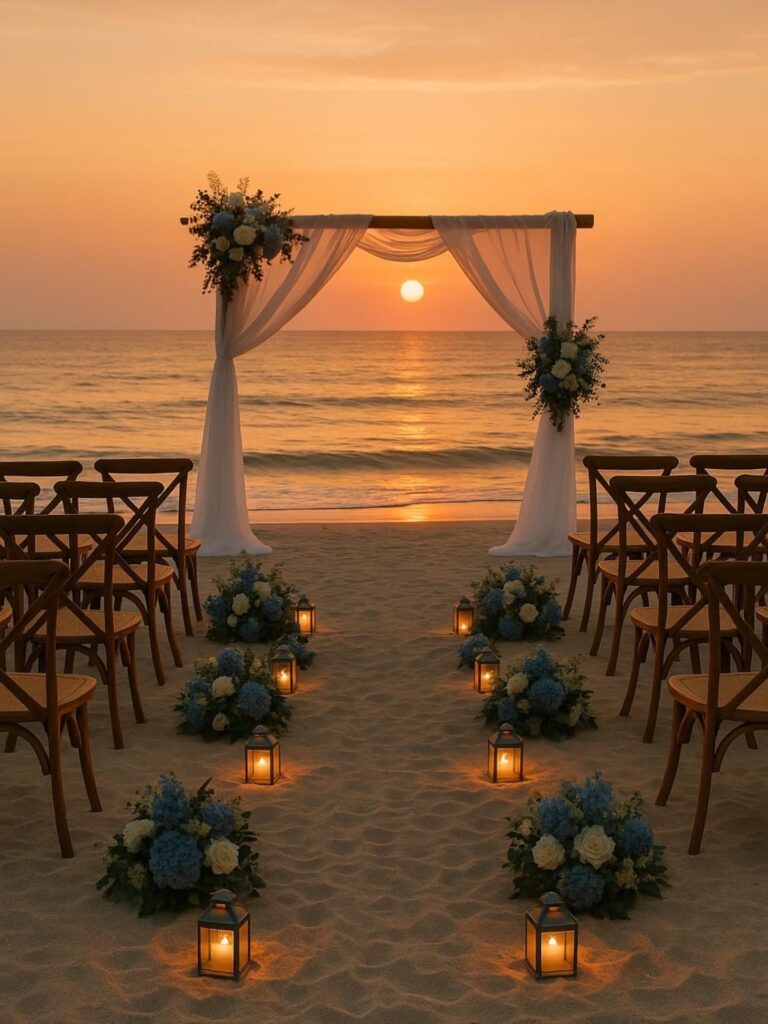
Some couples dream of saying “I do” on a white sand beach with the sound of gentle waves in the background, while others picture a romantic vineyard, a charming mountain lodge, or a historic European town filled with timeless beauty.
The destination should reflect your personalities while remaining practical for your budget and guest list.
As you begin learning how to plan a destination wedding, look beyond beautiful photographs on social media.
Research the local weather during your preferred wedding season, marriage license requirements, travel accessibility, nearby accommodations, and available activities for guests who may stay a few extra days.
Choosing a destination that offers both convenience and memorable experiences allows everyone to enjoy the celebration from beginning to end.
Taking your time during this stage creates a strong foundation for every decision that follows and helps prevent unnecessary surprises later in the planning process.
Check Out: Why Destination Weddings Go Over Budget (And How To Stop It)
Step Two: Set a Realistic Wedding Budget

Once your destination has been chosen, the next priority is deciding how much you want to spend before making reservations or signing contracts.
Excitement often encourages couples to book beautiful venues first and calculate expenses later, but that approach can quickly create unnecessary financial pressure.
A thoughtful budget allows you to enjoy the planning process without constantly second-guessing every purchase.
Understanding how to plan a destination wedding means looking beyond the ceremony itself.
Flights, accommodations, venue fees, photography, catering, transportation, entertainment, flowers, marriage license costs, welcome bags, and unexpected expenses should all be included in your calculations.
Leaving room for last-minute changes is always a wise decision because travel plans rarely unfold exactly as expected.
If you need help estimating wedding expenses, this guide from Minted Blog provides practical budgeting advice that complements destination wedding planning.
A realistic financial plan gives you the confidence to make decisions without letting your budget become an unwanted surprise.
See Also: 25 Mistakes That Can Ruin Your Destination Wedding (And How To Avoid Them)
Step Three: Decide on Your Guest List

Creating the guest list is one of the most personal parts of planning because it shapes the atmosphere of your wedding from beginning to end.
A destination wedding naturally lends itself to a smaller celebration since traveling requires extra time, planning, and expense for everyone involved.
Instead of feeling pressured to invite every acquaintance, focus on the people who have played meaningful roles in your relationship and who would genuinely enjoy sharing this special experience with you.
As you continue learning how to plan a destination wedding, remember that some guests may be unable to attend, even if they would love to celebrate with you.
Sending save-the-date cards several months in advance gives everyone enough time to request vacation days, compare flight prices, and arrange accommodations.
It also helps to create a wedding website with travel information, recommended hotels, transportation details, local attractions, and answers to common questions.
Clear communication makes the experience smoother for your guests while reducing the number of individual questions you receive throughout the planning process.
Related Post: How To Help Guests Plan For A Destination Wedding
Step Four: Pick the Right Wedding Venue
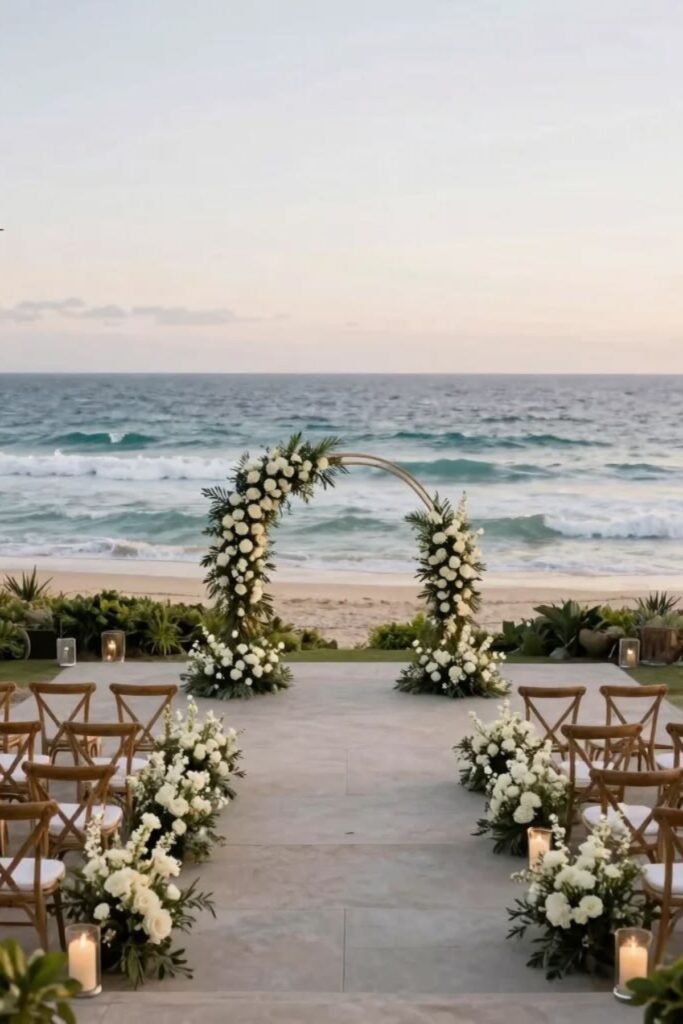
Your venue serves as the backdrop for every unforgettable photograph, heartfelt speech, and joyful celebration, making it one of the most important decisions you will make.
While breathtaking scenery certainly matters, the venue should also provide excellent service, dependable staff, and facilities that comfortably accommodate your ceremony and reception.
Finding the right balance between beauty and practicality creates a much more enjoyable experience for everyone involved.
Learning how to plan a destination wedding includes asking detailed questions before committing.
Ask what is included in the venue package, whether tables, chairs, catering, decorations, and lighting are provided, and if there are additional fees for using outside vendors.
It is equally important to ask about backup plans for outdoor ceremonies in case the weather changes unexpectedly.
Reading recent reviews, viewing updated photographs, and scheduling a virtual tour whenever possible can give you greater confidence before signing a contract.
A beautiful venue certainly creates wonderful memories, but outstanding service often becomes the part guests remember most.
Check Out: The Biggest Destination Wedding Planning Mistakes
Step Five: Hire a Wedding Planner or Local Coordinator
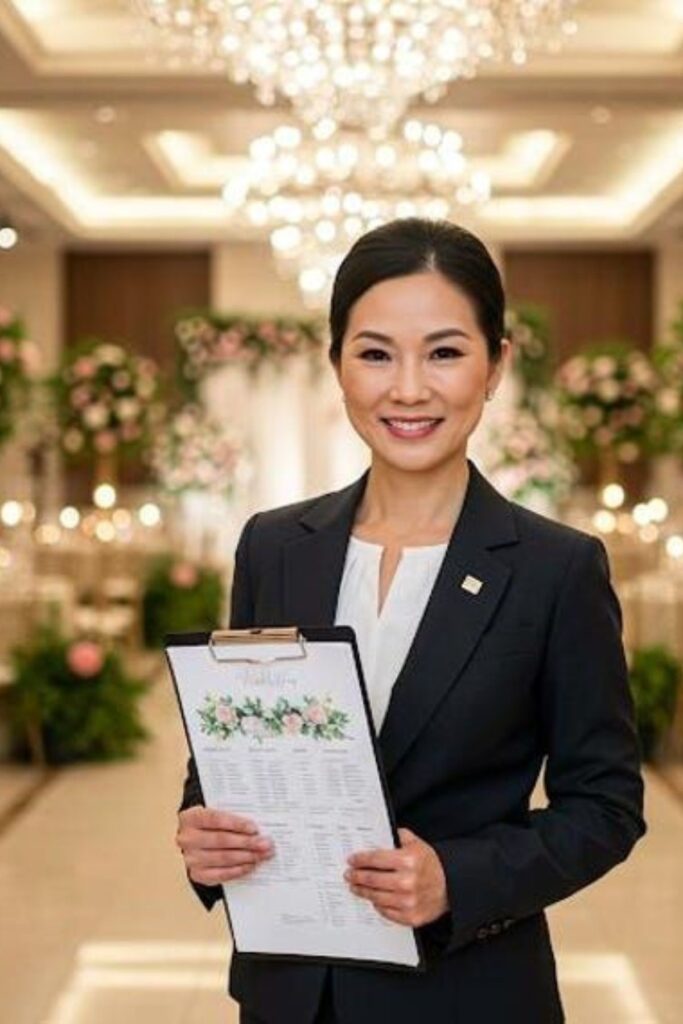
Planning a wedding from another city or country becomes much easier when you have someone on the ground who understands the destination.
A local wedding planner or experienced coordinator can recommend trusted vendors, handle scheduling, communicate with suppliers, and quickly resolve unexpected issues without requiring you to make every decision from hundreds of miles away.
One of the smartest lessons in how to plan a destination wedding is recognizing that you do not have to manage every detail by yourself.
If hiring a full-service planner does not fit your budget, consider working with a day-of coordinator who can oversee the ceremony and reception while you focus on enjoying the celebration.
Ask potential planners about their experience with destination weddings, request references from previous couples, and review photographs from recent events they have coordinated.
A dependable planner becomes your biggest source of support throughout the process, allowing you to spend less time worrying about logistics and more time creating lasting memories with the people you love.
Also Read: The Best Time of Day for a Beach Wedding
Step Six: Book Your Vendors Early

Great vendors are often reserved months or even a year in advance, especially in popular wedding destinations.
Once you have secured your venue and wedding date, begin booking the professionals who will bring your celebration to life.
Your photographer, videographer, florist, caterer, musician, hairstylist, makeup artist, and baker all play important roles, and waiting too long may leave you with fewer choices or higher prices.
Learning how to plan a destination wedding also means building a team that communicates well.
Schedule video calls with vendors, ask to see examples of their recent work, and read reviews from previous couples before making a final decision.
Discuss your expectations clearly, confirm arrival times, and keep copies of every contract in one organized folder.
It also helps to create a shared planning timeline so everyone understands important deadlines.
Strong communication reduces misunderstandings and gives every vendor the information they need to deliver excellent service.
A dependable team allows you to enjoy your wedding day without constantly checking your phone or wondering if everything is running according to plan.
See Also: How Far in Advance Should You Plan a Destination Wedding?
Step Seven: Take Care of the Legal Requirements

Every destination has its own legal process for marriage, so this step deserves your attention well before your travel dates.
Some countries require couples to arrive several days before the ceremony, while others request specific documents, certified translations, blood tests, or witnesses.
Understanding these requirements early helps you avoid unnecessary stress and prevents delays that could affect your wedding plans.
As you continue exploring how to plan a destination wedding, contact the local marriage office or ask your wedding planner to explain the legal process in detail.
Gather your passports, birth certificates, identification documents, and any paperwork required by local authorities long before your departure.
Many couples also choose to complete the legal marriage in their home state before traveling and then enjoy a symbolic ceremony at their destination.
This option often simplifies the paperwork while allowing the celebration to remain every bit as meaningful.
Taking care of these details ahead of time lets you focus on celebrating your love instead of rushing to complete legal formalities after you arrive.
Read Also: Wedding Dress Mistakes That Show Up in Every Photo
Step Eight: Arrange Travel and Guest Accommodations

Helping your guests travel comfortably shows appreciation for the effort they are making to celebrate with you.
While every guest is responsible for booking personal travel arrangements, providing clear information makes the process much easier.
Sharing recommended flight options, nearby hotels, airport transportation details, and local attractions allows everyone to prepare with confidence while reducing confusion.
A helpful part of learning how to plan a destination wedding is thinking about your guests’ experience from beginning to end.
Reserve a block of hotel rooms if possible, since many hotels offer discounted rates for wedding groups.
Create a wedding website that includes travel tips, suggested packing lists, local weather information, and answers to frequently asked questions.
You may also consider organizing a welcome dinner or casual gathering before the wedding so guests have an opportunity to relax and meet one another.
These thoughtful touches help everyone feel included and create a warm atmosphere long before the ceremony begins, turning your wedding into a memorable vacation as well as a joyful celebration.
Next Post: Beach Wedding Problems Nobody Talks About
Step Nine: Create a Detailed Wedding Day Timeline

A well-planned timeline keeps your wedding day flowing smoothly and allows everyone to know exactly where they need to be.
Although unexpected moments may still happen, having a clear schedule reduces confusion and helps your vendors work together efficiently.
From hair and makeup appointments to the ceremony, cocktail hour, reception, and final sendoff, every part of the celebration should have enough time without making the day feel rushed.
As you continue learning how to plan a destination wedding, work closely with your planner, venue coordinator, photographer, and other vendors to create a realistic timeline.
Build in extra time for transportation, weather changes, family photos, and small delays because weddings rarely follow the clock perfectly.
Share the schedule with everyone involved several weeks before the event so there are no last-minute surprises.
A thoughtful timeline allows you to spend more time enjoying meaningful moments with your loved ones instead of constantly wondering what comes next.
It also gives your guests a relaxed experience because every part of the celebration flows naturally from one event to another.
See Also: Guest Packing Checklist For Destination Weddings
Step Ten: Pack Smart and Prepare for the Big Day

As your departure date gets closer, excitement usually begins to replace the stress of planning.
Packing carefully helps you arrive feeling prepared instead of scrambling to replace forgotten items after landing.
Wedding attire, rings, marriage documents, vendor contracts, travel confirmations, medications, and emergency supplies should always travel with you instead of being placed in checked luggage whenever possible.
One final lesson in how to plan a destination wedding is remembering that perfection is never the goal.
Small surprises may appear despite months of preparation, but those moments often become part of the story you laugh about for years to come.
Confirm your reservations before leaving home, communicate with your planner after arriving, and give yourself enough time to settle into your destination before the celebrations begin.
Spend a quiet moment with your partner before the ceremony and take in everything around you because the day passes more quickly than most couples expect.
The memories you create together will always matter far more than any tiny detail that did not go exactly as planned.
Also Read: Wedding Dress Mistakes That Show Up in Every Photo
Essential Tips to Make Your Destination Wedding Stress-Free
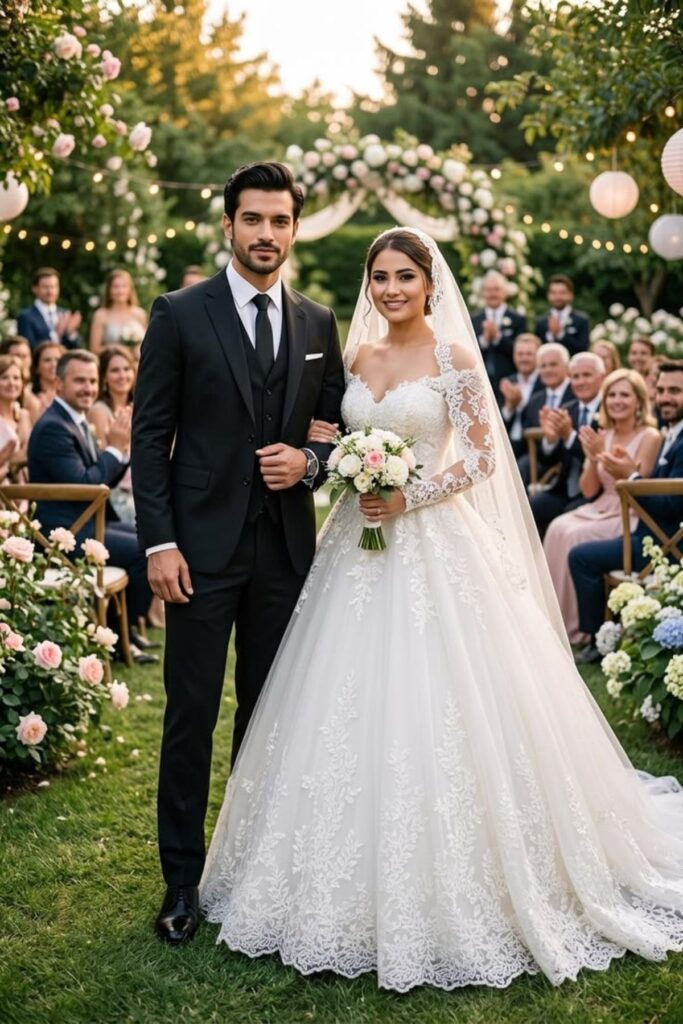
Planning a celebration far from home becomes much more enjoyable when you focus on staying organized and keeping your expectations realistic.
One of the best ways to reduce stress is to create a detailed planning timeline that includes important deadlines for booking vendors, confirming travel arrangements, sending invitations, and completing legal paperwork.
Keeping all contracts, receipts, travel confirmations, and vendor contacts in one place also saves time whenever you need to find important information.
As you continue learning how to plan a destination wedding, remember that good communication with your planner, vendors, and guests helps prevent misunderstandings and keeps everyone informed throughout the process.
It is also helpful to arrive at your destination a few days before the wedding so you have time to settle in, meet with vendors, and handle any unexpected changes without feeling rushed.
Pack your wedding attire, rings, important documents, and valuable items in your carry-on luggage whenever possible to reduce the risk of delays or lost baggage.
Travel insurance can provide extra peace of mind if flights are canceled or plans change unexpectedly.
Most importantly, permit yourself to enjoy the experience instead of trying to control every tiny detail.
The happiest couples are often the ones who embrace the unexpected with a smile, knowing that the love they are celebrating matters far more than a perfectly timed schedule.
Find Out: How To Stop Wind From Ruining Your Ceremony
Common Mistakes to Avoid When Planning a Destination Wedding

Even the most organized couples can make mistakes while planning a wedding away from home, and many of those mistakes are completely avoidable with a little preparation.
One common error is waiting too long to book the venue, accommodations, or vendors, especially if your wedding falls during a busy travel season.
Another frequent mistake is underestimating the total cost of the celebration by focusing only on the venue while overlooking travel expenses, local transportation, welcome gifts, and other smaller costs that can quickly add up.
Learning how to plan a destination wedding also means communicating clearly with your guests so they have enough time to arrange flights, request time off from work, and prepare for the trip.
Another mistake is failing to research the legal marriage requirements for your chosen destination until the last minute.
Missing paperwork or overlooked regulations can create unnecessary stress just before the ceremony.
Couples also sometimes try to handle every detail themselves instead of trusting experienced planners or reliable local vendors who understand the destination.
Finally, avoid creating a schedule that is packed from morning to night because both you and your guests will appreciate moments to relax and enjoy the location.
A thoughtful plan, realistic expectations, and a little flexibility can help you avoid these common pitfalls while making your destination wedding a joyful and memorable celebration.
Recommended Post: The Biggest Destination Wedding Regrets Brides Have
Final Thoughts

Learning how to plan a destination wedding is about creating an experience that reflects your love story while making your guests feel welcomed and appreciated.
Every step, from choosing the perfect destination to packing for the trip, contributes to a celebration that feels joyful, organized, and deeply personal.
Taking the time to plan carefully allows you to enjoy the process instead of feeling overwhelmed by endless decisions.
The most memorable weddings are not always the biggest or the most expensive. They are the ones filled with laughter, meaningful moments, and the people who matter most.
As you put your plans into action, stay flexible, trust the professionals you have chosen, and remember why you started this journey together.
By following this guide on how to plan a destination wedding, you can confidently create a celebration that your family and friends will remember long after the last dance, while giving yourselves a beautiful beginning to your next chapter as a married couple.





3 Comments