

Everything You Need to Know About Beach Weddings
Disclosure: Some of the links in this post are affiliate links. This means if you click on the link and purchase an item, I will receive an affiliate commission at no extra cost to you.
Beach weddings have a special charm that attracts couples who dream of saying their vows with the sound of waves in the background and sand beneath their feet. While the setting feels relaxed and romantic, successful beach weddings require thoughtful planning because the weather, location, and logistics can influence every part of the celebration.
A beautiful ocean view is only one piece of the puzzle, and there are several practical details that deserve just as much attention. This guide explains what you should know before choosing a beach venue, planning your ceremony, and welcoming your guests.
If you are dreaming about an unforgettable seaside celebration, Everything You Need to Know About Beach Weddings will help you prepare with confidence.
Related Post: 25 Beautiful Beach Wedding Ceremony Ideas
Everything You Need to Know About Beach Weddings
Choose the Right Beach Location
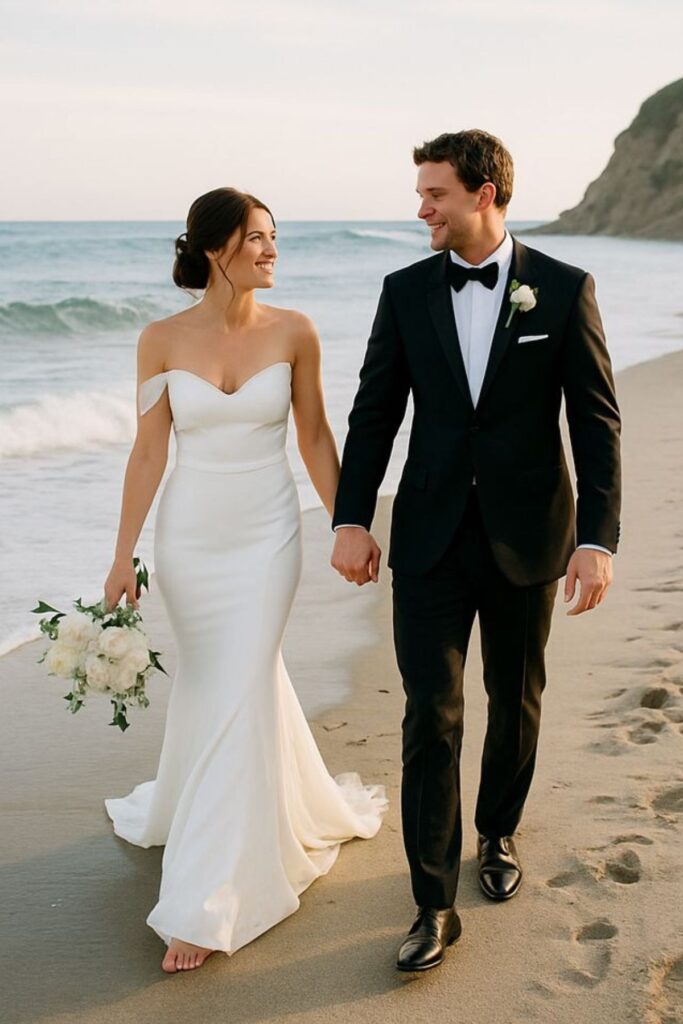
The beach you choose will shape the entire experience, so selecting the right location deserves careful thought.
Public beaches often provide breathtaking scenery, but they may also attract tourists, vendors, and unexpected crowds during your ceremony.
Private beaches usually offer greater privacy and fewer distractions, although they often come with higher rental costs.
Think about accessibility for guests, nearby accommodations, parking availability, restroom facilities, and local weather conditions before making your final decision.
Visit the location if possible, or arrange a detailed virtual tour with your venue coordinator.
Pay attention to how busy the beach becomes during different times of the day because a peaceful morning can look very different on a sunny afternoon.
Couples who invest time in researching their location usually enjoy a smoother planning process and a much more relaxed wedding day.
Choosing wisely gives your beach wedding the perfect foundation before any other plans begin.
See Also: 40 Simple Beach Wedding Ideas on a Budget
Understand Local Rules and Permit Requirements

Many couples assume they can simply arrive at the beach and begin their ceremony, but local regulations often tell a different story.
Some public beaches require permits for weddings, photography, decorations, amplified music, or reserved ceremony areas.
Others limit the number of guests allowed or restrict celebrations during certain seasons.
Contact local authorities or your venue coordinator well before your wedding date so you understand every requirement.
Missing an important permit can create unnecessary stress or even force changes to your ceremony plans.
This is also a good time to ask about cleanup responsibilities, vendor access, and any environmental guidelines designed to protect the shoreline.
Confirming local regulations early helps couples avoid last minute surprises and enjoy a smoother planning experience.
A little preparation allows you to focus on celebrating instead of solving avoidable problems.
Next Post: 23 Best Wedding Dresses for Beach Weddings
Choose the Right Time of Day

The timing of your ceremony can have a significant impact on the comfort of your guests and the overall atmosphere of your celebration.
Midday ceremonies may seem convenient, but the combination of bright sunlight, higher temperatures, and stronger UV rays can leave everyone feeling uncomfortable before the reception even begins.
Many couples prefer late afternoon or early evening because the weather is usually milder, and the soft natural light creates beautiful photographs.
This period, often called the golden hour, gives your photographer ideal lighting without harsh shadows.
Keep an eye on the tide schedule as well because changing water levels can affect your ceremony space if you are celebrating close to the shoreline.
Beach weddings become much more enjoyable when the timing works with nature instead of against it, allowing everyone to relax and fully enjoy the experience.
Related Post: The Best Time of Day for a Beach Wedding
Hire Vendors With Beach Wedding Experience

Planning a ceremony by the ocean presents challenges that every wedding professional may not have encountered before.
Vendors who regularly work at beach weddings understand how to adapt to changing weather, uneven surfaces, salty air, and outdoor lighting.
They know how to secure decorations against the wind, position sound equipment for clear audio, and capture beautiful photographs without fighting harsh sunlight.
Ask potential vendors how many beach ceremonies they have handled and request to see complete galleries instead of just highlight images.
Their experience often becomes valuable when unexpected situations arise because they have already solved similar problems at previous weddings.
Working with professionals who understand the setting allows you to relax, knowing they can handle the details while you focus on enjoying one of the happiest days of your life.
Check Out: 30 Elegant Beach Wedding Themes to Copy Now
Prepare for Travel and Accommodations

Many beach weddings double as destination weddings, which means travel planning becomes an important part of the overall experience.
Reserve room blocks at nearby hotels if many guests are traveling, and provide transportation recommendations between airports, hotels, and the venue.
Sharing this information early gives everyone enough time to compare prices and make reservations before travel costs increase.
A wedding website also serves as a convenient place to post flight suggestions, local attractions, weather updates, dress code recommendations, and frequently asked questions.
Guests appreciate having everything in one location instead of searching through multiple emails.
If several family members are arriving on different days, consider hosting a casual welcome gathering that gives everyone an opportunity to reconnect before the ceremony.
Beach weddings often become memorable vacations for guests, and thoughtful planning helps them enjoy every part of the trip.
Create a Practical Backup Plan

Every couple hopes for perfect weather, but successful wedding planning always leaves room for the unexpected.
Heavy rain, strong winds, or unusually high tides can affect outdoor ceremonies with very little warning.
Having a backup plan allows you to respond calmly instead of making rushed decisions at the last minute.
Ask your venue about indoor options, covered spaces, or alternate ceremony locations that can be prepared quickly if conditions change.
Discuss these plans with your vendors so everyone understands their responsibilities if adjustments become necessary.
It also helps to communicate the backup plan to close family members and the wedding party so they know what to expect.
Beach weddings are filled with unforgettable moments, and a little flexibility helps you protect those memories regardless of what the forecast decides to bring.
Read Also: 21 Beach Wedding Mistakes Brides Regret
Capture the Beauty With the Right Photography

One of the greatest advantages of beach weddings is the breathtaking scenery, so choosing the right photographer deserves careful attention.
Coastal lighting changes throughout the day, and reflections from the water can affect how photographs turn out.
A photographer with beach wedding experience knows how to work with natural light, changing weather, and ocean backdrops to capture beautiful images without losing important details.
Schedule time for portraits during the golden hour if possible because the softer light creates warm, flattering photographs that feel timeless.
You should also create a list of must have family photos before the wedding day so nothing is overlooked while everyone is celebrating.
Great photography allows you to relive your wedding for years to come, making it one of the best investments you can make for your celebration.
Check Out: 25 Mistakes That Can Ruin Your Destination Wedding (And How To Avoid Them)
Keep the Reception Fun and Relaxed

The relaxed atmosphere of beach weddings naturally encourages guests to unwind and enjoy themselves.
Build on that feeling by creating a reception that matches the setting instead of trying to recreate a formal ballroom event on the sand.
Comfortable seating areas, fresh coastal cuisine, refreshing drinks, and music that fits the mood all contribute to an enjoyable celebration.
Lawn games, a bonfire where permitted, or a casual lounge area can also give guests opportunities to mingle between dancing and dinner.
Keep the schedule flexible enough to let everyone soak in the surroundings without feeling rushed from one activity to the next.
The best receptions often feel like an unforgettable gathering with family and friends rather than a tightly scripted event, allowing everyone to relax and celebrate together.
Read Also: The Hidden Costs Of Destination Weddings Nobody Warns You About
Select a Menu That Matches the Setting

Food plays a major role in every wedding, and beach weddings create the perfect opportunity to serve a menu that complements the relaxed coastal atmosphere.
Fresh seafood, grilled dishes, tropical fruits, and refreshing beverages are popular choices, although your menu should always reflect your personal tastes and accommodate guests with dietary restrictions.
Speak with your caterer about foods that hold up well in warm weather because some dishes lose quality if they sit outdoors for too long.
Chilled drinks should remain easily available throughout the event, especially if your ceremony takes place during a warm afternoon.
A well planned menu keeps guests comfortable and energized while adding another memorable element to the celebration.
Good food, beautiful scenery, and great company create an experience that guests will remember long after the wedding has ended.
Consider Sound and Music Carefully

The sound of crashing waves creates a romantic atmosphere, but it can also make it difficult for guests to hear your vows.
Discuss audio equipment with your venue and entertainment team before the wedding day so they can recommend microphones and speakers that work well in an outdoor setting.
Test the sound system before the ceremony begins because ocean breezes and background noise can affect audio quality.
Position speakers carefully so everyone can hear clearly without overpowering the natural ambiance of the beach.
Live musicians should also prepare for changing weather conditions, particularly if they are using instruments that react to humidity or direct sunlight.
A well balanced sound setup allows every guest to enjoy your ceremony while preserving the peaceful coastal atmosphere that makes beach weddings so appealing.
Find Out: Why Destination Weddings Go Over Budget (And How To Stop It)
Protect the Environment During Your Celebration
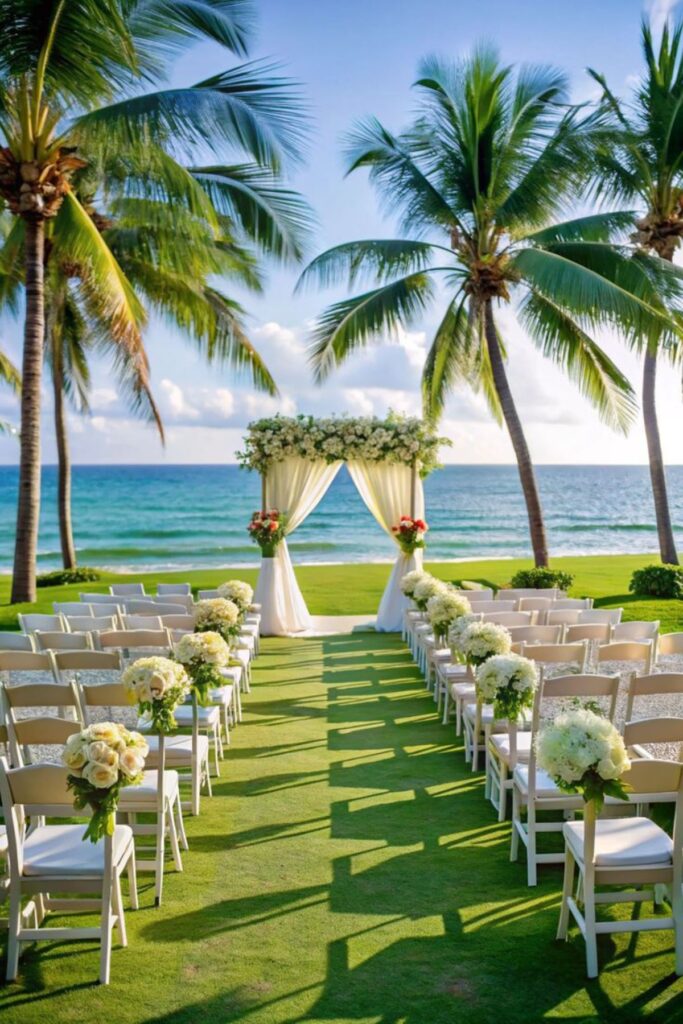
Beach weddings allow you to celebrate in one of nature’s most beautiful settings, so treating the environment with care is an important part of responsible planning.
Choose decorations that can be collected easily after the ceremony, and avoid releasing balloons or using materials that could end up in the ocean.
Biodegradable confetti, reusable décor, and locally sourced flowers are thoughtful alternatives that reduce waste while maintaining an elegant appearance.
Encourage your vendors to follow local environmental guidelines and dispose of materials responsibly after the event.
If your venue has specific conservation rules, share them with your wedding party so everyone understands what is permitted.
Respecting the beach helps preserve its beauty for future visitors while allowing you to celebrate your special day in a way that reflects care for the surroundings.
Plan Activities for the Wedding Weekend

Many guests travel a considerable distance to attend beach weddings, making the celebration feel like a mini vacation for everyone involved.
Planning a few optional activities throughout the wedding weekend gives family and friends additional opportunities to relax and spend time together.
A casual welcome dinner, beach picnic, sunset cruise, group brunch, or sightseeing excursion can help guests connect before or after the ceremony.
Keep the schedule flexible so everyone can participate without feeling obligated to attend every event.
Sharing a list of local attractions also allows guests to explore the destination at their own pace.
These extra moments often become some of the most cherished memories because they provide quality time with loved ones outside the formal wedding celebration.
Read Also: Guest Packing Checklist For Destination Weddings
Choose Wedding Favors Your Guests Will Actually Use

Wedding favors are a thoughtful way to thank your guests for celebrating with you, and beach weddings offer plenty of creative possibilities.
Instead of selecting decorative items that may never leave a drawer, consider practical gifts that guests can enjoy during the trip or take home afterward.
Personalized sunglasses, beach towels, reusable water bottles, flip flops, mini sunscreen bottles, or insulated drink tumblers are all useful options that fit the setting.
If your wedding reflects the local culture, small treats or handcrafted souvenirs from the area can also make meaningful keepsakes.
Keep favors lightweight if many guests are flying because bulky items may become inconvenient to pack.
Choosing gifts that are both practical and memorable leaves guests with a lasting reminder of your celebration long after they return home.
Discover: How To Save Money Traveling To A Destination Wedding
Think Carefully About Your Ceremony Seating
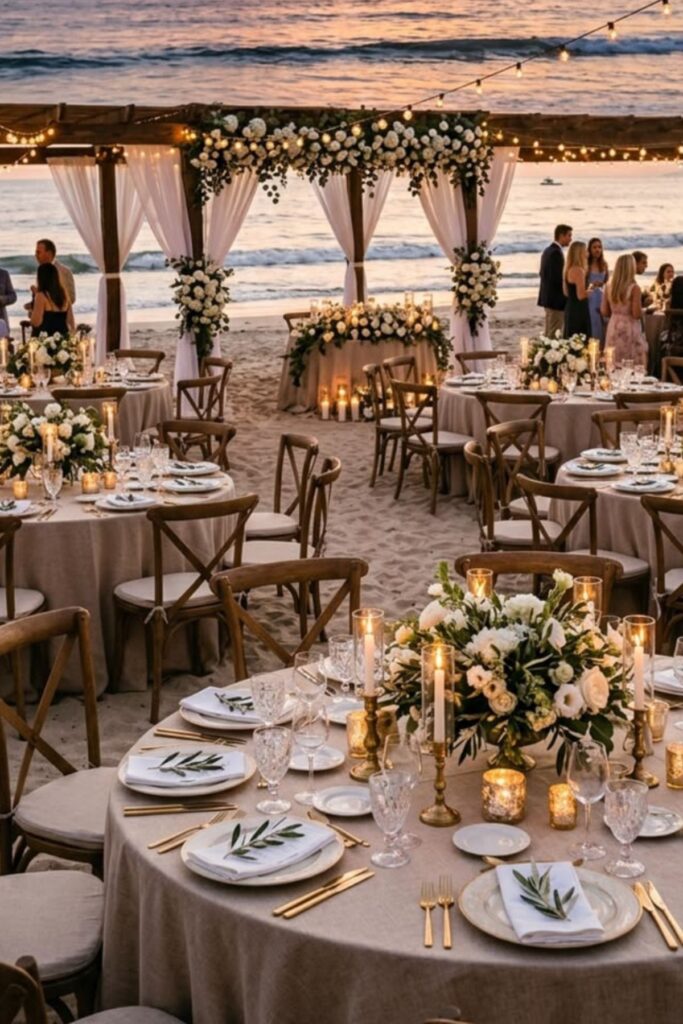
A beautiful view deserves a comfortable place to enjoy it.
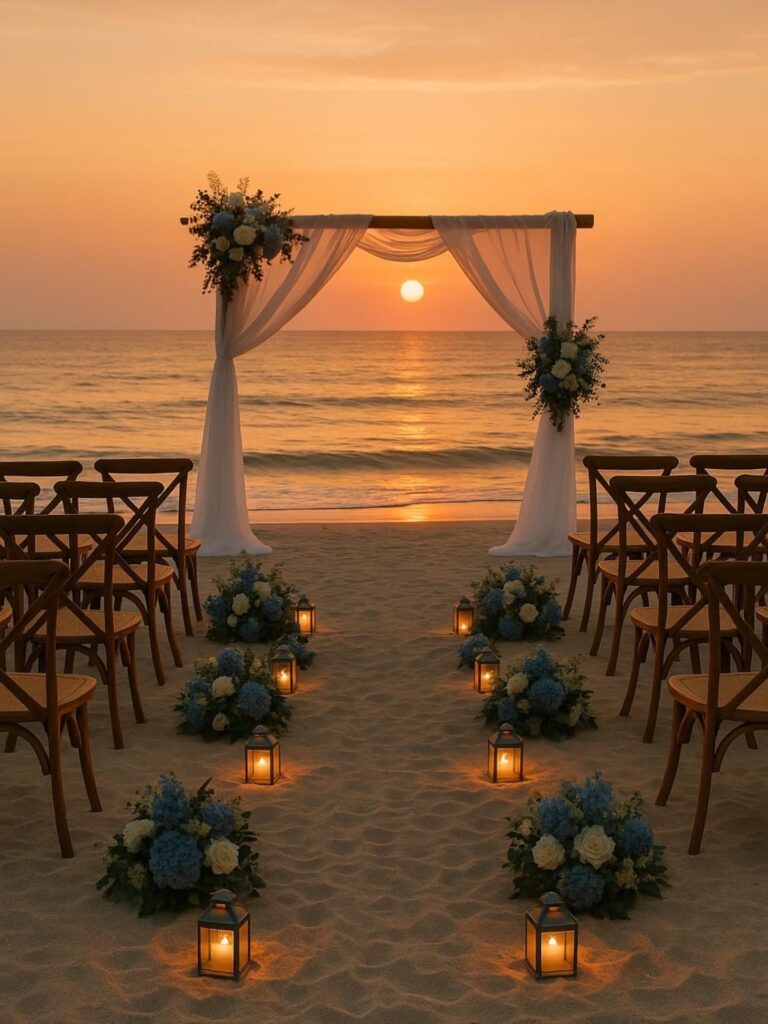
Beach weddings often take place on uneven sand, so selecting sturdy seating and arranging it properly can make a noticeable difference for your guests.
Wooden chairs with wide legs generally provide better stability than lightweight folding chairs that may sink into soft sand.
Consider reserving front row seats for elderly relatives, pregnant guests, and anyone with limited mobility so they have the easiest access to the ceremony area.
Leave enough space between rows for guests to move comfortably without disturbing others.
If the ceremony takes place during a sunny afternoon, provide shaded seating where possible or distribute handheld fans before the ceremony begins.
Small details like these show your guests that you value their comfort and want them to enjoy every moment of your special day.
Keep Your Wedding Timeline Flexible

Every wedding follows a schedule, but beach weddings often benefit from allowing a little extra flexibility.
Traffic, changing weather, delayed flights, or longer photography sessions can occasionally affect the day’s plans.
Instead of scheduling every activity down to the minute, leave small gaps between major events so everyone has time to move comfortably from one part of the celebration to the next.
This approach also gives vendors enough room to adjust if unexpected situations arise.
Share the timeline with your wedding party and vendors well before the ceremony so everyone understands where they should be throughout the day.
A flexible schedule helps the celebration flow naturally while reducing unnecessary pressure if something takes a little longer than expected.
Decide Between Barefoot and Formal Footwear

One of the most charming traditions associated with beach weddings is the option to exchange vows barefoot.
Walking across warm sand creates a relaxed atmosphere that perfectly matches the coastal setting, but it may not be the right choice for everyone.
Some beaches have shells, small stones, or hot sand that make shoes a better option.
Couples often choose elegant sandals, wedges, or dress shoes designed for outdoor ceremonies so they remain comfortable without sacrificing style.
Let your guests know the expected footwear in advance so they arrive prepared instead of struggling through the sand in high heels.
A simple note on your wedding website or invitation can prevent awkward surprises and help everyone enjoy the celebration with confidence.
Final Thoughts

Beach weddings offer an unforgettable combination of natural beauty, relaxed elegance, and meaningful moments that many couples dream about for years. While the ocean provides a spectacular backdrop, thoughtful planning remains the key to creating a celebration that feels smooth from beginning to end. Paying attention to details such as the weather, guest comfort, local regulations, experienced vendors, and backup plans helps you avoid unnecessary stress while making the most of your chosen location.
The best beach weddings are those that balance careful preparation with the freedom to enjoy the unexpected moments that make every celebration special. As long as you stay organized, communicate clearly, and embrace the laid back spirit of the coast, you will create memories that you and your guests will treasure long after the tide has washed away your footprints in the sand.





One Comment