
The Best Time for Golden Hour Wedding Photos
Disclosure: Some of the links in this post are affiliate links. This means if you click on the link and purchase an item, I will receive an affiliate commission at no extra cost to you.
Wedding photos can preserve the little moments that disappear quickly, and golden hour wedding photos add a warm glow to those memories. The soft sunlight can flatter faces, soften shadows, and give portraits a romantic atmosphere without complicated lighting setups.
However, getting that dreamy look requires more planning than simply telling everyone to meet outside before sunset. A beautiful photo opportunity can disappear quickly when the couple arrives late or the photographer lacks enough shooting time.
That is why understanding The Best Time for Golden Hour Wedding Photos can make your wedding photography plan much easier.
The Best Time for Golden Hour Wedding Photos
Plan Around Your Actual Sunset Time
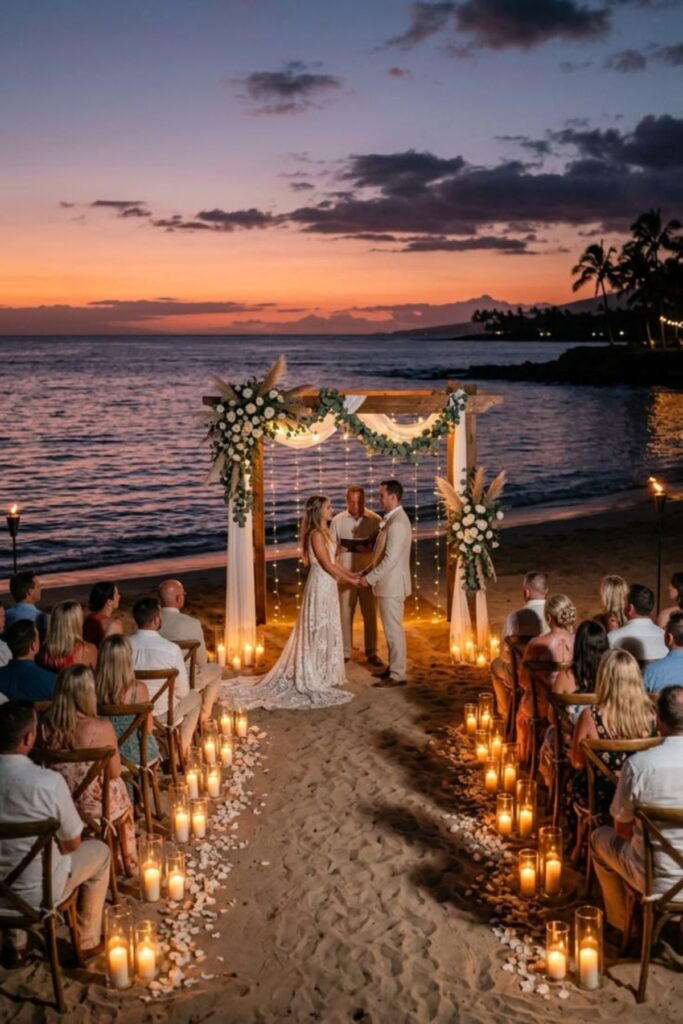
The first step is finding your venue’s actual sunset time for the wedding date.
Do not rely on a generic statement that golden hour happens at 6 p.m. Sunset changes throughout the year, and the timing also depends on geographic location.
Once you know sunset, your photographer can work backward and create a practical portrait schedule.
This approach gives you a much clearer idea of when to leave the reception or ceremony area.
For example, imagine your photographer wants portraits during the final part of golden hour. They may ask you to begin your session before the light reaches its warmest appearance.
That allows time for several poses, walking shots, close portraits, and different compositions.
The changing sunlight can also affect your background from one minute to another. A building may glow beautifully before becoming darker as the sun drops behind nearby structures.
Trees can create shadows, while open fields may provide uninterrupted sunlight for longer.
Adobe notes that golden hour changes quickly, making preparation especially important for photographers.
That means your photographer should already know the location before the session begins. You do not want to spend those precious minutes debating where everyone should stand.
Give Yourself Time Before The Golden Light Peaks
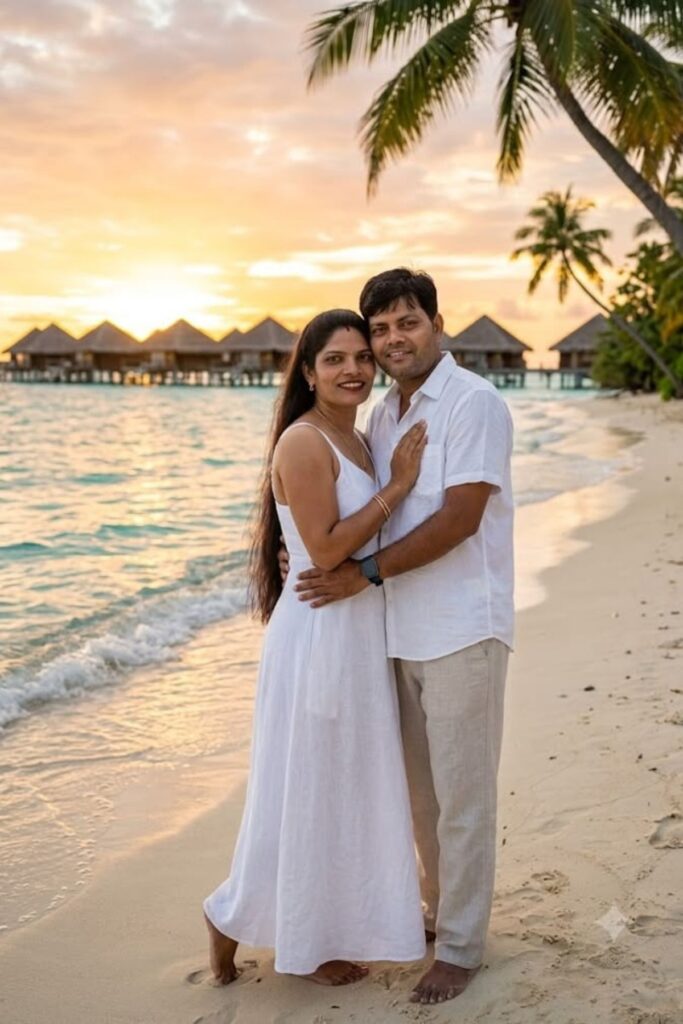
One common mistake involves scheduling wedding portraits exactly when the best light begins. It sounds logical, but real weddings rarely move with laboratory precision.
Someone may need to fix a veil, adjust a boutonniere, find missing shoes, or finish a conversation.
Your photographer may also need time to organize everyone before taking the first photograph.
Arriving early gives you room to breathe before the most beautiful light appears. Arriving ahead of the planned photography period when preparing for sunrise and sunset photography.
That extra breathing room becomes especially helpful after a busy wedding ceremony. You may feel excited, emotional, hungry, tired, or all four at once.
A short pause before portraits can help everyone settle down and enjoy the experience. Instead of rushing into poses, you can walk slowly, laugh together, and allow natural interactions to happen.
This is where golden hour wedding photos can become especially memorable. The photographer can capture movement and emotion while the warm light creates a softer visual atmosphere.
You should also discuss your preferred photography style before the wedding day. Some couples love romantic close-ups, while others prefer movement, laughter, wide scenery, or dramatic backlighting.
Knowing those preferences helps your photographer use the limited golden hour effectively.
Sunset Golden Hour Usually Works Best For Wedding Portraits
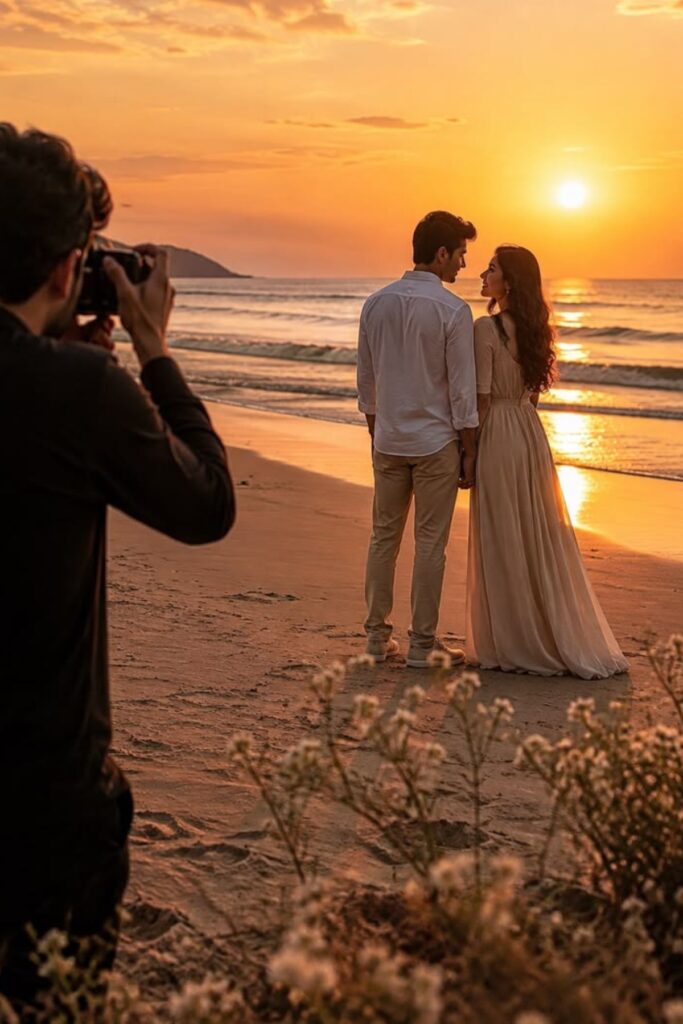
Sunset golden hour often fits wedding schedules more naturally than sunrise photography. Most wedding ceremonies happen later in the day, making evening portraits easier for guests and couples.
The light before sunset can create warm tones and directional shadows that work beautifully for portraits.
Adobe describes golden hour as a period with softer, warmer, directional light that photographers often use creatively.
Sunset sessions also offer more flexibility for couples who dislike waking up early.
That might sound obvious, but nobody wants to discuss camera angles at sunrise after dancing until midnight.
However, sunset timing still depends heavily on the wedding date and location. A summer wedding may have a much later sunset than a winter wedding in the same region.
That difference can affect your ceremony, cocktail hour, dinner, and portrait schedule.
Your photographer should therefore coordinate with your planner before finalizing the portrait time.
The goal is to create a schedule that feels natural rather than squeezing photos into every available minute.
Sunset portraits can also work beautifully with outdoor scenery. Beaches, gardens, open fields, vineyards, lakes, and rooftops can provide attractive backgrounds for warm evening light.
Ask your photographer where the sun will appear during your planned portrait session. That simple conversation can save you from discovering the problem while wearing your wedding dress.
Morning Golden Hour Can Create A Completely Different Mood
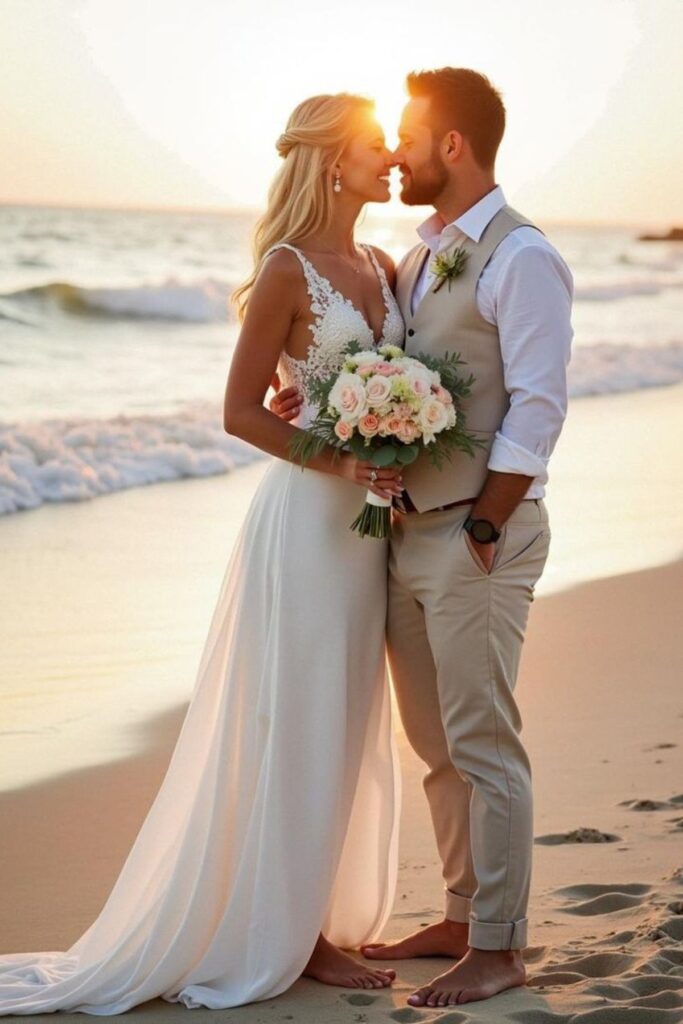
Sunrise golden hour can produce beautiful wedding portraits, although it requires a very different schedule.
The morning light can feel quiet, fresh, peaceful, and intimate compared with a busy wedding afternoon.
A sunrise session could work especially well for engagement portraits, bridal portraits, or destination weddings. It may also suit couples who want photographs before the day’s activities begin.
Imagine standing beside a quiet beach while the first warm sunlight reaches the horizon. There are fewer guests around, less activity, and plenty of space for relaxed photographs.
The challenge is timing because sunrise photography requires everyone to be ready much earlier.
Hair, makeup, transportation, wardrobe, and location access all need to be considered carefully.
You should also confirm whether your venue allows photography access that early. Some private properties, hotels, gardens, and event spaces may have specific access hours.
If you choose sunrise, your photographer should calculate the schedule from the actual sunrise time.
Morning golden hour can also give your gallery greater variety. Instead of every portrait having the same evening appearance, you can create a softer visual chapter before the celebration begins.
For couples planning destination weddings, sunrise portraits can also provide a useful alternative.
You may have a spectacular view that faces east instead of west, making morning light the natural choice. The key is choosing the light that works with your venue and schedule.
Choose The Best Time Based On Your Wedding Location
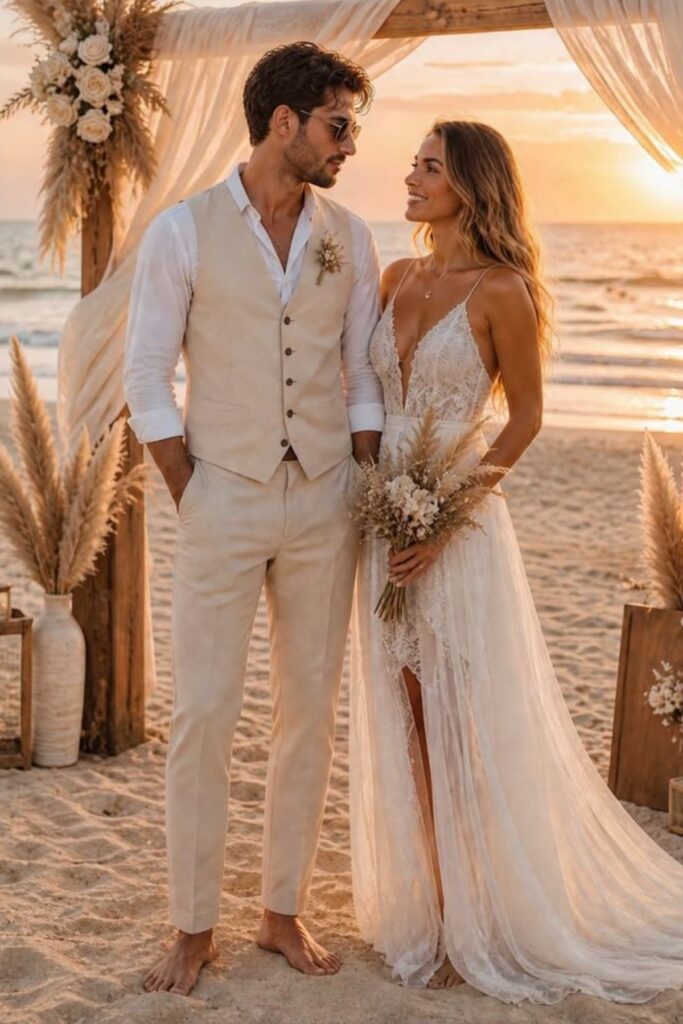
Your wedding location can change how golden hour looks, even when two venues share the same sunset time.
Tall buildings, mountains, trees, and nearby structures can block sunlight before sunset arrives. An open beach may keep direct sunlight longer than a garden surrounded by mature trees.
This difference matters because your photographer needs usable light for portraits. A venue may face west, yet the surrounding buildings could hide the setting sun completely.
Another venue might face east, making morning portraits more attractive than evening photographs.
Before your wedding day, ask your photographer to study the venue carefully. They can identify open areas where sunlight remains visible during your planned portrait session.
They can also find shaded areas that work beautifully after direct sunlight becomes stronger.
For outdoor weddings, the surrounding environment can create additional photographic opportunities.
Water can reflect warm sunlight, while open fields can create glowing backgrounds behind the couple. Trees can also filter sunlight, producing soft highlights around hair and shoulders.
However, these effects depend on the exact position of the sun. Your photographer can use sun-position information to understand how light will move across the venue.
Traveling to another state or country can place you in unfamiliar lighting conditions. The sunset might happen earlier or later than you expect based on your home location.
Instead of guessing, build your portrait schedule around the wedding venue itself. That simple step can help your golden hour wedding photos look intentional and naturally illuminated.
Keep Your Ceremony And Golden Hour Session Connected
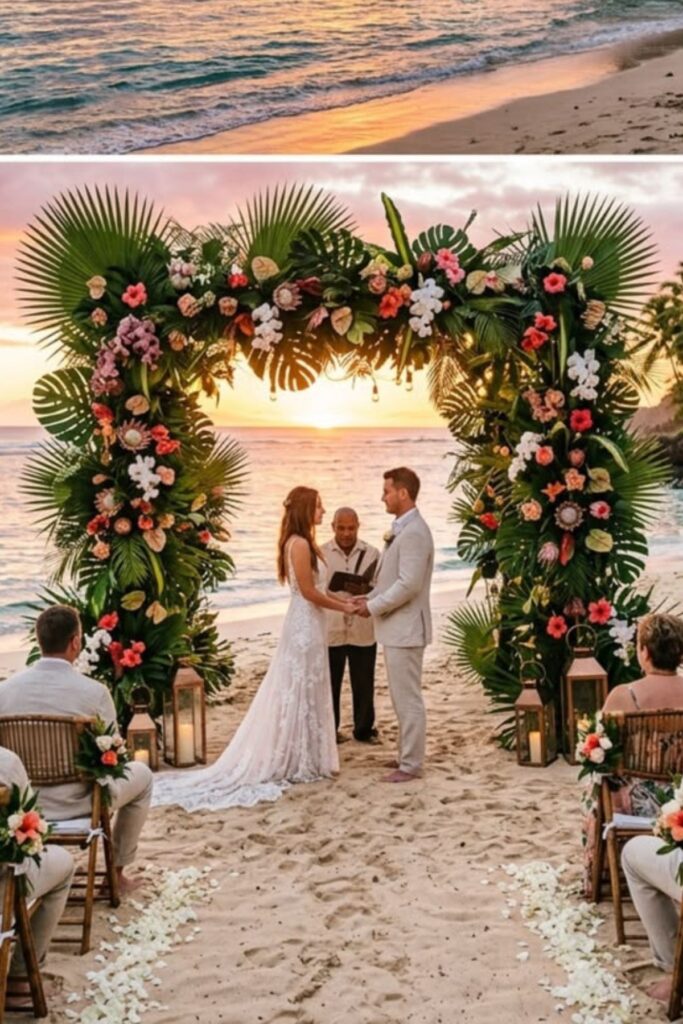
Your ceremony schedule can have a major effect on your golden hour wedding photos. A late ceremony may leave little time for portraits before the strongest evening light disappears.
A very early ceremony can create the opposite problem, leaving a long gap before golden hour begins.
That gap may affect your reception schedule and create unnecessary waiting for guests.
The solution involves discussing photography timing before you finalize your wedding timeline.
Your photographer should know the ceremony duration, reception start time, and travel distance between locations.
If your ceremony and reception happen at different venues, transportation deserves special attention.
A fifteen-minute drive can become much longer when wedding traffic, parking, and group transportation enter the picture.
You should also consider family photographs before planning your couple’s golden hour session. Large group portraits can take considerable time because people need gathering and positioning.
Many couples prefer taking family photographs immediately after the ceremony. That approach can leave the couple with more uninterrupted time for romantic portraits later.
Your photographer can then focus on natural interactions instead of repeatedly gathering guests. This structure can make the photography experience feel calmer and less like a checklist.
The timing also affects your guests because they should know when you will return. If you disappear during cocktail hour, your planner can prepare activities that keep everyone comfortable.
Your wedding photography timeline should therefore work like a flexible roadmap. It should provide structure without making every minute feel like a race.
When the schedule leaves breathing room, golden hour wedding photos become easier to capture naturally. You can laugh, walk, pause, and enjoy each other without constantly checking the clock.
Consider The Season When Choosing Your Photography Time
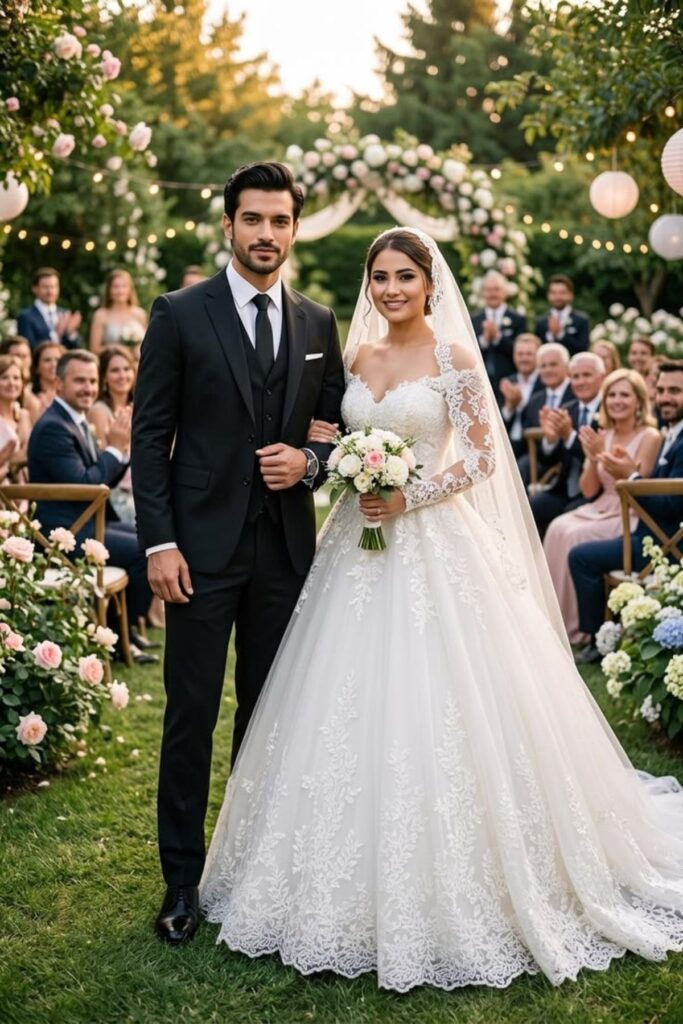
The season of your wedding can change the timing and appearance of golden hour.
Sunset times shift throughout the year because daylight hours change with the seasons. The effect becomes especially noticeable when comparing summer weddings with winter celebrations.
That means the photography schedule you loved at another wedding may not work for yours. Your photographer should calculate the actual sunset time for your specific date and location.
Summer weddings often provide longer evenings, which can give couples more flexibility. However, warmer temperatures may affect makeup, hairstyles, clothing, and comfort during outdoor portraits.
Winter weddings can create beautiful low sunlight, although daylight may disappear much earlier.
That shorter window requires stronger coordination between the ceremony, family portraits, and couple’s session.
Spring and fall can offer their own photographic advantages depending on the location. Seasonal foliage, weather conditions, and daylight timing can all influence the final appearance.
You should also consider the possibility of cloudy weather during your wedding season. Clouds can soften sunlight and create flattering portraits, even without a visible golden sun.
A cloudy sky does not automatically mean your photography plans have failed. Your photographer can often use the available natural light creatively when direct sunlight disappears.
The key is preparing for the actual conditions rather than expecting one specific photograph. Your photographer should have alternative locations available if outdoor light becomes unsuitable.
If you are planning a destination wedding, research the seasonal conditions before selecting your date.
That information can help you understand both daylight timing and practical outdoor photography concerns.
With thoughtful planning, golden hour wedding photos can remain beautiful across different seasons and weather conditions.
Check Which Direction Your Venue Faces
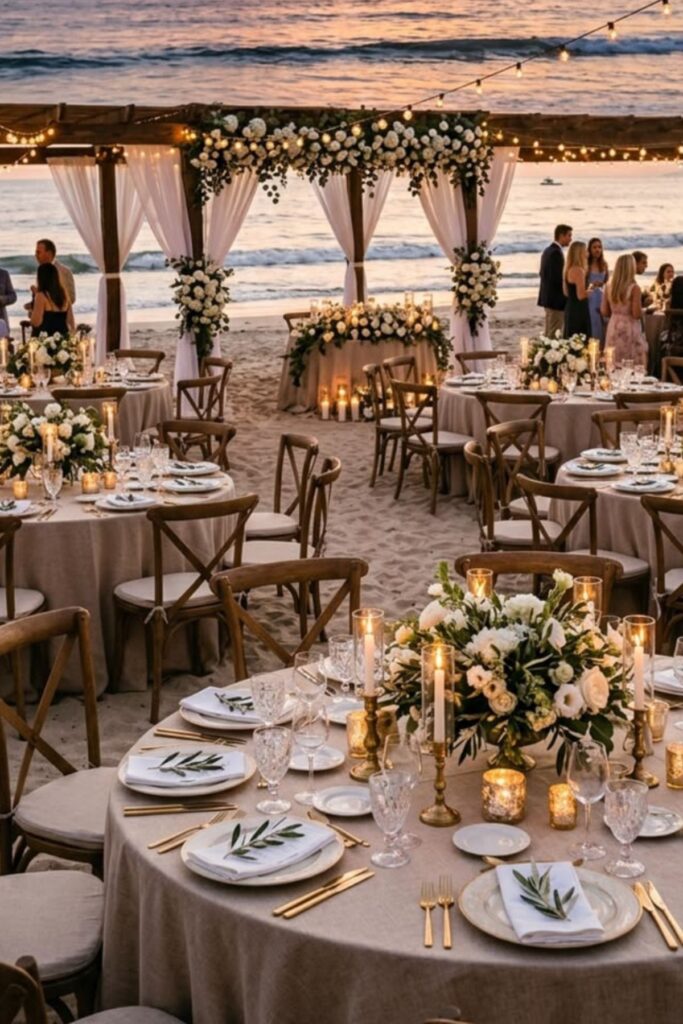
The direction your venue faces can affect your access to direct golden hour light. A west-facing outdoor space may receive stronger evening sunlight as the sun approaches the horizon.
An east-facing location can work particularly well for sunrise portraits. However, the actual light depends on surrounding structures, terrain, trees, and the venue’s layout.
You should therefore avoid choosing a portrait location based solely on a compass direction.
The photographer should inspect how sunlight actually reaches the property throughout the planned session.
This becomes especially important at venues with tall buildings or dense landscaping. A beautiful garden might appear open but become shaded several hours before sunset.
Your photographer can scout the property and identify areas with the best light. They can also determine where shadows will fall as the sun gradually drops.
If your venue has several outdoor areas, ask which spaces provide the longest exposure. A terrace might offer direct sunlight, while a courtyard could provide softer reflected light.
The difference can dramatically change the appearance of your portraits. Direct backlighting can create glowing edges around hair and clothing when handled carefully.
Front lighting can produce clearer facial details, while open shade can create softer skin tones. Your photographer can combine these options throughout the session.
The best golden hour wedding photos usually come from intentional positioning rather than simply standing outside.
Small changes in direction can completely alter the background, shadows, and warmth in your photographs.
This is why venue scouting deserves attention before the wedding day. You want your photographer thinking about light before everyone arrives in formalwear.
A short scouting session can save valuable minutes during the actual portrait window. It also gives you confidence that your photography team understands the venue.
Build A Short Golden Hour Portrait List
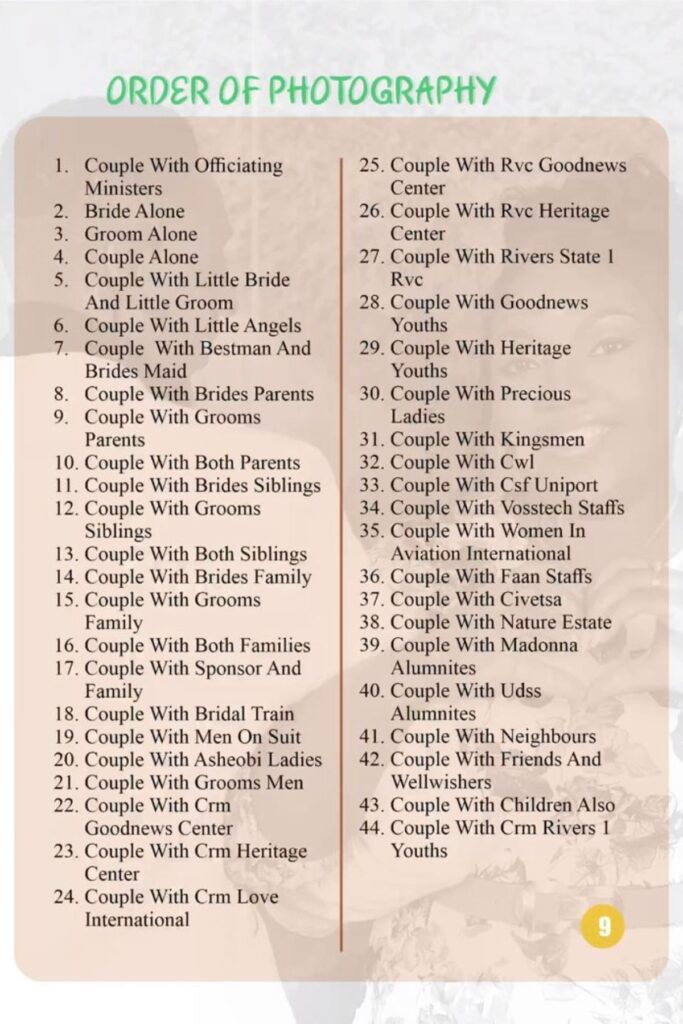
Golden hour does not last forever, so your photographer should know which photographs matter most.
A short portrait list can help you use those precious minutes without creating unnecessary pressure.
Start with the photographs you absolutely want during the warmest light. These might include a romantic close-up, a walking portrait, or a dramatic wide shot.
You can then move into photographs that work well after direct sunlight becomes softer. This approach allows your photographer to prioritize the most time-sensitive images first.
Keep the list realistic because too many requested poses can make the session feel rushed. You do not need twenty versions of the same pose to create a beautiful wedding gallery.
Instead, focus on variety in movement, composition, expression, and background. A simple walk can create several natural photographs without requiring complicated posing.
Your photographer can also capture small interactions between planned portraits. Those moments often include laughter, hand holding, quiet conversations, or playful glances.
The couple should also communicate their comfort level with posing. Some people enjoy dramatic editorial photographs, while others feel better with natural movement.
Your photographer can adjust the session according to those preferences. That flexibility can make the experience more enjoyable and produce photographs that feel authentic.
A practical shot list might include portraits together, individual portraits, walking photographs, close-ups, and wide scenic images.
You can also include a few photographs with your wedding attire clearly visible.
If your venue has a special feature, reserve a few minutes for it. A staircase, garden path, waterfront, balcony, or architectural feature can add visual variety.
The goal is simple: use the changing light wisely without turning romance into homework. A relaxed couple usually creates better expressions than two people desperately following a pose checklist.
Let The Light Change During Your Portrait Session
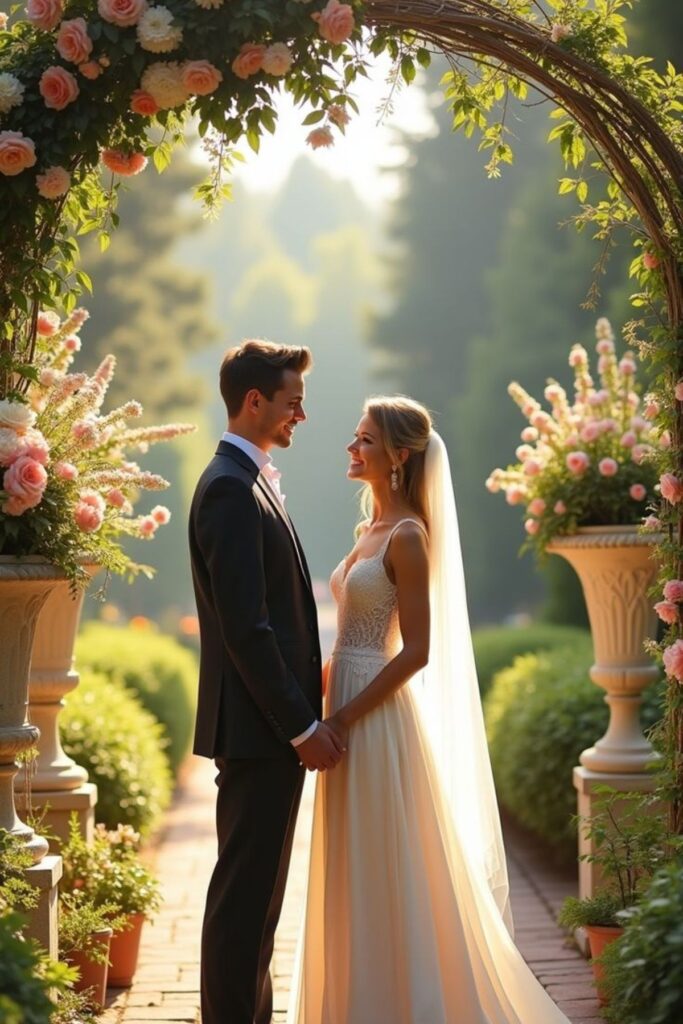
One advantage of golden hour involves the changing quality of sunlight. The light can gradually shift from brighter warmth into softer, deeper tones.
Your photographer can use these changes to create different moods during one session.
Early portraits may feature stronger illumination, while later images can appear softer and more atmospheric.
Moving slightly can change the background, direction of light, and overall feeling of the photograph.
For example, your photographer might begin with backlit portraits in an open area. Later, you could move beside trees for softer filtered light.
A nearby pathway might then provide an opportunity for walking photographs. A final wide shot could capture both the couple and the surrounding scenery.
This approach gives your wedding gallery a sense of movement and progression. The photographs can feel connected without appearing repetitive.
You should also trust your photographer during these changes. They may notice a beautiful lighting opportunity that appears for only a short period.
Instead of stopping every few seconds to review photographs, keep moving naturally. Your photographer can make technical adjustments while you focus on each other.
That relaxed attitude can produce genuine expressions and spontaneous moments. Sometimes the photograph you love most comes between the planned shots.
Golden hour wedding photos work beautifully because the light itself keeps changing. Rather than fighting that change, let your photographer use it as part of the story.