

This Tiny Planning Mistake Cost One Couple Thousands
Disclosure: Some of the links in this post are affiliate links. This means if you click on the link and purchase an item, I will receive an affiliate commission at no extra cost to you.
A planning mistake can look harmless during the early stages of wedding preparation because some details seem too small to deserve immediate attention. However, when that little oversight affects several decisions at once, it can quietly grow until the wedding budget starts losing control.
Most couples expect their biggest expenses to come from obvious choices such as the venue, catering, photography, flowers, and wedding attire. What they often overlook can trigger several additional charges. This is exactly how one tiny planning mistake cost a couple thousands.
This Tiny Planning Mistake Cost One Couple Thousands
The Small Detail They Thought Could Wait

The planning mistake started with something that seemed too minor to deserve immediate attention.
They had chosen their venue, booked their photographer, reserved transportation, selected their caterer, and created a detailed budget that appeared realistic for their plans.
Since the biggest decisions were already finished, they began focusing more heavily on the smaller details.
Their venue had given them a deadline for confirming the final guest count, but the couple did not treat that date as particularly important because several relatives had not responded yet.
They knew the guest count would eventually change, so they assumed the venue would simply update the number once everyone had confirmed their attendance.
Since the difference appeared likely to be small, they believed there was little reason to worry about submitting the information immediately.
That assumption became the beginning of their financial problem.
Their original estimate was 150 guests, but several relatives eventually confirmed that they would attend, while a few friends also asked whether they could bring partners.
Instead of reviewing the venue contract before making those changes, the couple continued adjusting the guest list informally because they believed everything could be finalized later.
The change affected catering, rentals, seating, staffing, and room setup, while some of the adjustments also created additional charges because the wedding date was getting closer.
What made the situation frustrating was that nobody had intentionally ignored an important rule, because the couple simply assumed that one small deadline would not have much financial impact.
Unfortunately, that tiny assumption created a chain reaction that reached several vendors and eventually cost the couple thousands more than they had planned.
Why The Missed Deadline Became So Expensive

The couple initially believed the guest count issue would cost them only a few hundred dollars because they expected to pay for the additional meals and nothing more.
However, the venue explained that the final guest number affected several other parts of the reception.
The caterer needed to increase the meal count, while the rental company needed to provide additional chairs, place settings, linens, and other reception items.
The venue also needed additional preparation time because the room had to be adjusted, and the couple discovered that changes made after the final planning deadline could involve additional labor.
Then another problem appeared because the seating chart had already been prepared according to the earlier guest list.
The couple needed new seating cards, and because the wedding date was approaching, they could not use the normal production schedule without risking a late delivery.
What had started as one missed deadline had now created several smaller expenses, and those expenses were coming from different parts of the wedding budget.
The couple had originally separated their budget into categories, but they had not considered how one change could increase several categories simultaneously.
Catering increased, rentals increased, staffing increased, stationery increased, and transportation eventually needed another adjustment because more guests required additional space.
Each individual charge seemed manageable, yet the combined amount became large enough to threaten the money they had reserved for other wedding priorities.
That was when they realized the real problem was not simply the missed deadline, because the real problem was the chain reaction created by it.
The Contract Detail They Had Overlooked

The couple had read their venue contract before signing it, but they focused mostly on the deposit, the overall package price, and the final payment schedule.
They did not spend enough time reviewing the smaller sections that explained how changes would be handled after specific deadlines had passed.
Those details seemed less exciting than choosing flowers or planning the reception menu, yet they contained information that could directly affect their final bill.
Wedding contracts can include conditions involving final guest counts, overtime, setup, cleanup, cancellation, additional rentals, delivery, service charges, and other expenses.
The couple’s mistake was not failing to understand every legal phrase, because most couples are not contract experts when they begin planning a wedding.
Their mistake was failing to identify the specific sections that could change the amount they eventually paid.
A simple conversation with the venue could have helped because the couple could have asked which deadlines were flexible and which deadlines could trigger additional charges.
They could also have asked what would happen if the guest count increased after the final confirmation date.
This would have revealed the financial consequences before they made additional promises to guests.
The Low Quote That Wasn’t Really The Final Price
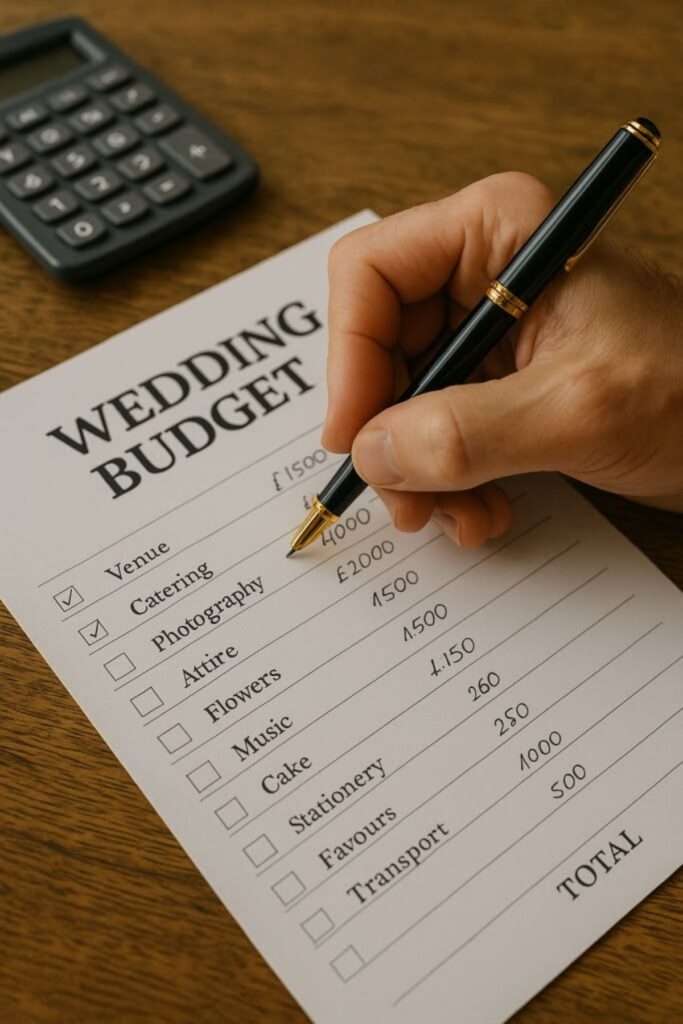
Another small planning mistake appeared when the couple compared vendor quotes based primarily on their starting prices, because the lower numbers initially looked like obvious savings.
Their photographer offered a package that appeared several hundred dollars cheaper than another option, so the couple immediately felt they had found an opportunity to protect their budget.
However, the cheaper package included fewer hours, while additional coverage required another payment that had not been included in the original quote.
The same pattern appeared with their decorator, because the initial price covered basic setup while several of the decorative elements they later wanted required additional labor and materials.
Their transportation company also quoted a price for specific journeys rather than unlimited transportation throughout the wedding day.
None of these vendors had necessarily provided misleading information, because the quoted prices were based on the services included in their packages.
The planning mistake happened because the couple treated starting prices as final prices without calculating what their actual wedding would require.
A lower quote can become more expensive when you add overtime, delivery, setup, travel, taxes, service charges, additional products, or extra hours.
That is why couples should compare complete packages rather than simply placing three starting prices beside each other and choosing the smallest number.
The couple eventually created a comparison sheet that showed exactly what each vendor included, while also listing the possible charges that could increase the final amount.
Had they created that comparison earlier, they would have understood their real spending much sooner and could have avoided some of the pressure that appeared later.
The Guest Count Slowly Became A Budget Problem

The guest list created another issue because the couple treated every additional guest as a small personal decision rather than a financial decision connected to several vendors.
One cousin asked whether a partner could attend, while an aunt wanted to invite two relatives who had not originally been included.
Several friends also confirmed their attendance after initially remaining uncertain, which meant the guest count slowly moved beyond the number used in the original budget.
Each request felt reasonable because these were people the couple genuinely wanted at the wedding, yet the financial impact became larger with every addition.
An extra guest does not simply require another plate of food because that person may also need a chair, place setting, drink, linen, favor, invitation, and transportation.
Depending on the wedding setup, the additional guest may also affect staffing, table arrangements, cake quantities, rentals, and even the amount of space required in the reception room.
The couple did not realize how many costs were connected to their guest count until they began calculating the changes individually.
That discovery made them much more careful about adding guests during the final weeks.
They eventually created a rule that every guest addition needed to be checked against the remaining budget before they gave a definite yes.
Although that rule came too late to prevent their original problem, it helped stop the guest list from creating another round of unexpected expenses.
The Seating Change Created Another Invoice

The couple had already approved their seating arrangement before the final guest count changed, which meant the additional guests could not simply be added without changing the room layout.
The venue needed to move several tables, add chairs, and adjust the arrangement so guests would have enough space to sit comfortably.
The couple initially assumed the venue staff would make the changes as part of their normal setup duties, but they later learned that the revised arrangement required additional labor.
The charge was not enormous on its own, yet it became another expense that had never appeared in their original budget.
This was the pattern they kept seeing throughout the planning process because one small change created another small charge, and several small charges eventually became a serious financial problem.
They also needed to update their seating chart because several guests had been assigned to tables that no longer made sense after the room arrangement changed.
That meant more stationery had to be printed, which created another expense because the original materials had already been completed.
The couple finally understood why small planning details deserve attention even when they seem unrelated to money.
A seating change may look like a simple organizational task, but it can create labor, rental, stationery, and timing costs depending on when the change happens.
Transportation Became More Expensive Too

The guest count eventually affected transportation because the couple’s original shuttle arrangement had been based on a specific number of passengers.
Once more guests confirmed attendance, the existing transportation plan no longer offered enough room for everyone.
The couple needed another vehicle, but they were already close to the wedding date and fewer vehicles were available in their area.
This is because of the limited availability, the additional vehicle cost more than the couple had expected when they first created their transportation budget.
The extra vehicle also required a slightly different schedule because it could not follow exactly the same route as the original shuttle.
That meant the couple had to update pickup times and communicate the changes to guests, the hotel, the coordinator, and the transportation company.
Their photographer also needed to know when certain members of the wedding party would arrive because the transportation schedule affected the photography timeline.
What seemed like a guest count issue had therefore become a transportation issue and then a timeline issue.
The couple realized that wedding planning decisions rarely exist independently because a change in one category can affect several other categories.
They began reviewing transportation whenever their guest numbers changed, rather than treating the shuttle booking as a finished task.
The Timeline Created An Overtime Risk
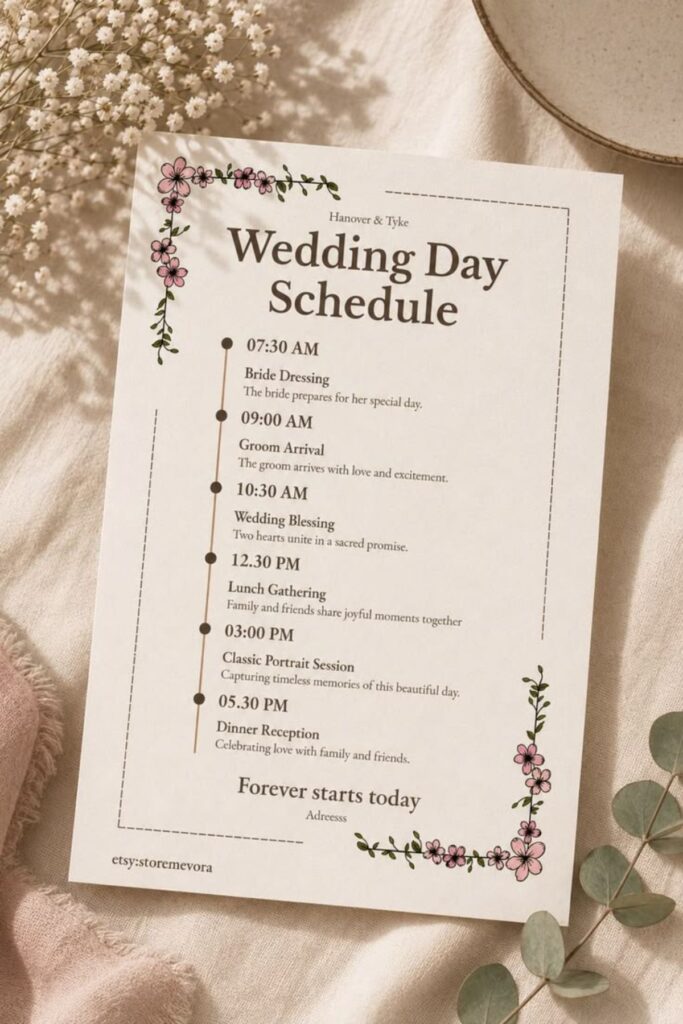
The couple’s wedding timeline also began changing as they added more guests and adjusted the reception schedule.
They wanted enough time for dinner, speeches, photographs, dancing, and special moments, but the additional activities gradually pushed the reception closer to the venue’s scheduled end time.
At first, the couple assumed they could simply extend the celebration if everyone was having a good time.
Then they reviewed their contracts and discovered that an extra hour could affect several vendors at once.
The venue could charge additional time, while the DJ could charge overtime and the photographer could require an additional hourly fee.
Transportation could also become more expensive if vehicles needed to remain available longer, while venue staff might require additional payment for extended working hours.
The couple had originally thought of overtime as one possible expense, but they discovered that it could actually become several separate expenses.
That realization changed their approach because they started asking vendors about overtime before making schedule changes.
Knowing the actual rates allowed them to make decisions based on their budget rather than relying on emotions during the wedding.
They eventually decided that keeping the original reception end time would protect the budget.
The Dress Alteration Was Delayed Too Long

Another tiny planning mistake involved the bride’s wedding dress, because she purchased it early but waited too long before scheduling the final alterations.
At first, she believed there was plenty of time because the wedding was still months away and the dress already fit reasonably well.
However, the final fitting revealed that several adjustments were needed, while the seamstress had limited availability because other brides were also preparing for their weddings.
The normal alteration schedule was no longer possible, so the bride paid an additional rush fee to have the dress completed on time.
She also needed one accessory that had to be shipped quickly, which created another expedited delivery charge.
Neither expense was part of the original clothing budget because the couple had assumed everything would be handled within the normal timeline.
The mistake was not buying the wrong dress or forgetting the fitting entirely, because it was simply waiting longer than necessary to complete a task that could have been handled earlier.
That experience showed the couple that time itself can become an expense during wedding planning.
A service that costs one amount several months before the wedding may cost considerably more when the same service becomes urgent.
They began looking at every remaining task with that possibility in mind, which helped them identify several deadlines before they became emergencies.
The Decor Changes Started Adding Up

The couple also discovered how quickly decorative changes could affect their budget after seeing several new ideas online.
They had already approved their basic reception design, but new inspiration made them consider additional candles, upgraded linens, larger floral arrangements, and another backdrop.
Each addition looked affordable by itself, so they were tempted to approve them without thinking about the combined cost.
Their decorator explained that several of the changes required additional materials and setup time, which meant the final price was much higher than the couple expected.
They asked for the updated price before approving anything else, and that decision prevented the situation from becoming even more expensive.
The couple then chose one decorative upgrade instead of adding several smaller elements.
That experience taught them that inspiration can be helpful during wedding planning, but every new idea should be connected to an actual budget number before it becomes part of the plan.
A beautiful photograph online may look like one simple detail, while recreating it can involve several rentals, additional labor, transportation, flowers, candles, and setup requirements.
The couple learned to ask what was already included in their package before assuming a new idea would cost only a small amount.