
Beach Wedding Problems Nobody Talks About
Disclosure: Some of the links in this post are affiliate links. This means if you click on the link and purchase an item, I will receive an affiliate commission at no extra cost to you.
Beach weddings have a way of making everything feel romantic, from the ocean breeze to the soft sand beneath your feet. Yet, behind those beautiful photos, couples can face unexpected beach wedding problems that nobody mentions during planning.
The scenery may look effortless, but an outdoor ceremony comes with conditions you cannot control completely. Weather, comfort, timing, and practical details can quickly test even the best plans, which brings us to Beach Wedding Problems Nobody Talks About.
Beach Wedding Problems Nobody Talks About
Wind Can Quickly Become A Wedding Guest
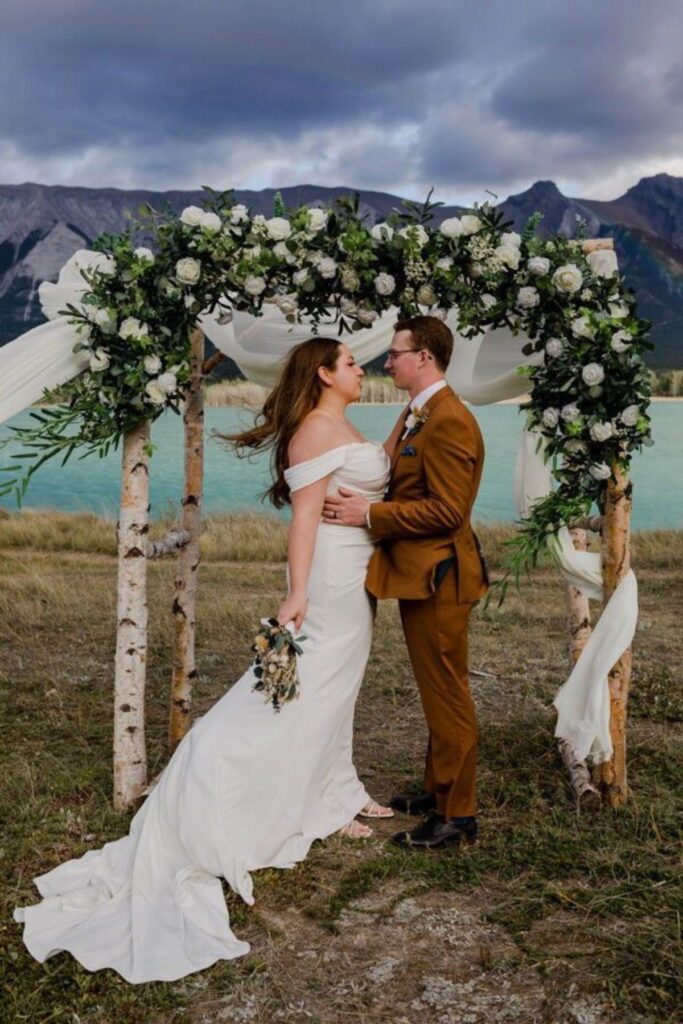
Beach wind feels refreshing during an ordinary afternoon, but weddings can make it surprisingly troublesome.
Lightweight decorations can move, table cards can fly away, and loose programs can scatter across the sand. Your beautiful ceremony arch may also need extra support when stronger gusts arrive.
Wind can cause trouble for your hairstyle and veil, especially during outdoor portraits. Long dresses can become difficult to manage when the breeze picks up unexpectedly.
Even your wedding photographer may struggle with flying hair and constantly moving fabric.
Sound can become another issue because strong wind can interfere with microphones and speakers.
Guests sitting farther from the ceremony may miss important words during your vows. Nobody wants Aunt Linda asking what you just promised after the kiss.
One practical solution involves choosing heavier decorations and securing everything properly. Ask your rental company about weighted bases for arches, signs, umbrellas, and stands.
Your florist should also recommend flowers that handle outdoor conditions well.
These beach wedding problems become easier when wind gets included in your original planning. A weather backup can also protect your ceremony if conditions become uncomfortable.
Sand Finds Its Way Into Everything

Sand looks beautiful beneath your feet, although you may feel differently after discovering it inside your shoes.
It can also end up inside purses, camera bags, wedding dresses, and even your honeymoon luggage.
Guests wearing high heels may struggle while walking across loose sand. Older relatives and guests with mobility challenges may also find the terrain uncomfortable.
A beautiful beach ceremony should not feel like an obstacle course before guests reach their seats.
Your wedding dress can collect plenty of sand along the hem, particularly if you choose a long train.
That may create gorgeous photographs, although cleaning the dress afterward could become another expense.
Consider creating a firm walkway between the ceremony entrance and seating area. You can also suggest comfortable footwear through your invitations or wedding website.
Providing flip-flops can make a thoughtful guest amenity, especially during longer celebrations.
Food service deserves attention because wind can push sand toward uncovered dishes. Covered serving stations can protect food while keeping everything more sanitary.
These beach wedding problems rarely appear in glamorous wedding photos, but they can affect everyone’s comfort.
Heat Can Turn Formalwear Into Survival Gear

A sunny beach ceremony sounds wonderful until everyone realizes how hot formal clothing can become.
Heavy suits, layered dresses, jackets, and uncomfortable shoes can make guests miserable during afternoon ceremonies.
Heat can also affect makeup, hairstyles, flowers, food, and photography. Foundation may become shiny, curls can lose their shape, and delicate flowers may wilt faster than expected.
Guests may spend more time searching for shade than listening to your vows. That can quickly change the mood, especially when elderly relatives or young children attend the celebration.
Scheduling your ceremony later can make a noticeable difference. Late afternoon often provides softer light and more comfortable temperatures.
Providing cold water, fans, shaded seating, and light refreshments can also help guests stay comfortable.
Your makeup artist should know about the outdoor conditions before wedding day. They can recommend products that perform better in heat and humidity.
Your hairstylist can also suggest styles that hold up better against coastal weather.
These beach wedding problems become manageable when guest comfort receives serious attention. Nobody wants their wedding remembered as the day everyone nearly melted beside the ocean.
Weather Can Change Your Entire Wedding Plan

Beach weather can shift quickly, and even a promising forecast cannot guarantee perfect conditions. Morning sunshine can become afternoon rain, strong wind, or uncomfortable heat.
Rain creates obvious problems, although cloudy conditions can also affect photography and guest comfort.
Wet sand may become difficult for walking, while outdoor equipment requires additional protection.
A weather backup should therefore become part of your original venue decision. Ask where guests would move if rain arrives and how quickly the transition could happen.
You should also confirm who handles chairs, decorations, sound equipment, and catering during the change.
Your vendors need to understand the backup plan before wedding morning. Nobody should be making major decisions while guests are already arriving.
Communicating weather expectations with guests can also reduce confusion. Your wedding website can explain footwear suggestions, clothing considerations, and transportation details.
Planning for bad weather does not mean you expect your wedding to fail. It means you are giving yourself options when nature decides to improvise.
Among all beach wedding problems, weather deserves serious attention because it can affect almost every part of the celebration. A solid backup plan can turn panic into a simple change of location.
Ocean Sounds Can Compete With Your Vows
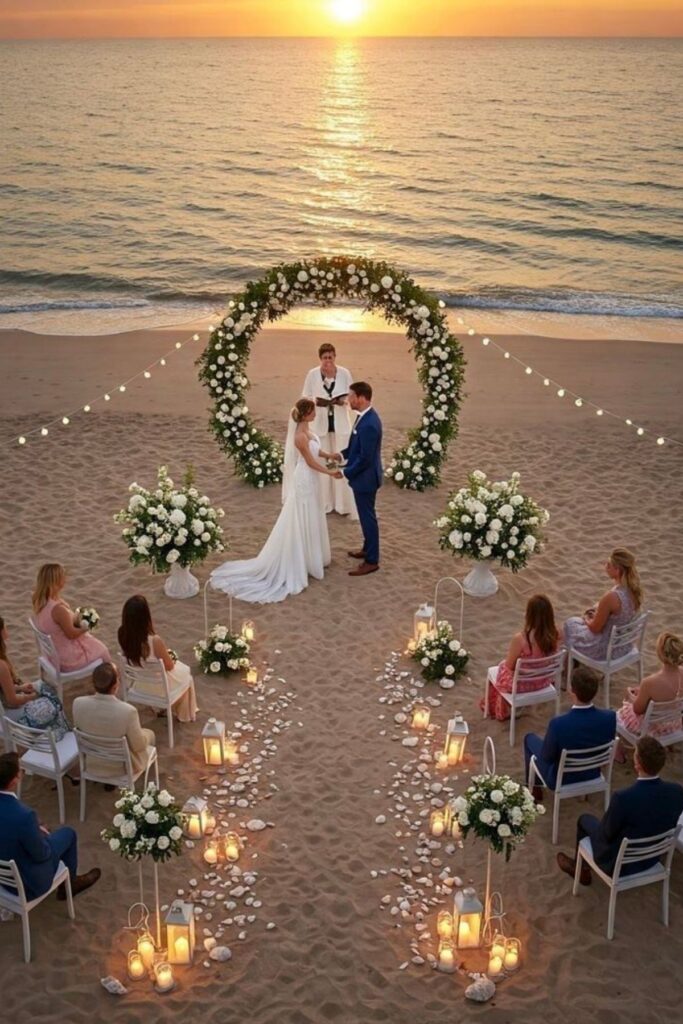
Ocean waves create a beautiful natural soundtrack, although they can become surprisingly loud.
Add wind, nearby beachgoers, boats, children, and conversations, and your ceremony may become difficult to hear.
This problem becomes especially noticeable when your guest list grows. Guests sitting toward the back may struggle to hear your officiant or your vows.
A quality microphone can make a major difference during outdoor ceremonies. Your sound technician should understand outdoor events and know how to handle wind interference.
Do a complete sound check before guests arrive. Walk toward the back of the seating area and listen from there. If you cannot hear clearly, your guests probably cannot either.
Speaker placement also matters because simply increasing the volume may create more problems. Too much volume can feel uncomfortable for guests sitting nearby.
These beach wedding problems often surprise couples because photographs make beaches look peaceful. Real beaches can have plenty of background activity, especially during busy seasons.
If you want a quieter ceremony, consider a private property or less crowded beach. Checking the location at your actual ceremony time can also reveal potential noise issues.
Public Beaches Bring Unexpected Guests

Public beaches can offer beautiful scenery without the cost of a private venue. However, public access means strangers may appear during your ceremony, photographs, or reception.
Some people may watch respectfully from a distance, while others might walk closer. You could also encounter beach games, loud music, pets, vendors, or families setting up nearby.
None of these people are doing anything wrong because the beach belongs to the public. Still, their presence may clash with the private atmosphere you imagined.
Before booking, ask about permits, private sections, event restrictions, and noise regulations. Find out whether tents, chairs, decorations, amplified music, or food service require permission.
If privacy matters greatly, consider a resort or private beach property. Controlled access can give you greater control over the ceremony environment.
Your photographer should also know that strangers may appear behind you.
A random beachgoer walking through your first dance photo might become a funny story later, but probably not your favorite wedding picture.
These beach wedding problems become easier when you understand the location before making payments. Visit the beach during your planned wedding hours and observe normal activity.
Your Wedding Cake May Have A Meltdown

Wedding cakes and beach heat are not exactly a perfect match. Buttercream can soften, chocolate decorations may become fragile, and delicate sugar flowers can lose their shape.
Humidity can create additional issues for certain frostings and decorations. A cake that looks perfect inside an air-conditioned bakery may behave differently beside the ocean.
Transportation also matters because the cake may spend considerable time outside before the reception begins. Keeping it cool becomes especially important during warmer months.
Choose a baker who has experience with outdoor weddings. Ask about frosting options, transportation, refrigeration, and how long the cake can safely remain outside.
Keep the cake shaded and protected from direct sunlight until the cutting ceremony. A refrigerated display area can also help maintain its appearance.
Some couples choose a smaller display cake while keeping additional servings refrigerated elsewhere. This approach can reduce stress while preserving the traditional cake-cutting moment.
These beach wedding problems may sound small, but wedding cakes can represent a significant expense. Nobody wants to watch their expensive cake slowly collapse before the first slice is served.
A little preparation can keep your dessert looking beautiful instead of looking like it needs an emergency air conditioner.
Humidity Can Affect Hair, Makeup, And Clothing

Humidity deserves attention because moisture in the air can change how your wedding day looks and feels. Hair may frizz, makeup can shift, and formal clothing may feel heavier.
Your makeup artist should know about the outdoor conditions before creating your wedding look.
Products made for humid weather can help your makeup remain comfortable and camera-ready.
Hairstyles also deserve careful consideration. Loose curls may look romantic, although humidity and wind can change them quickly.
An experienced stylist can recommend options that handle outdoor conditions better.
Printed materials can also react to humidity. Menus, programs, place cards, and signs should remain protected until guests need them.
Flowers may respond differently to coastal moisture as well. Your florist can recommend varieties that hold their appearance longer under warm outdoor conditions.
These beach wedding problems may seem minor individually, although several can happen at the same time. That combination can create unnecessary stress during an already busy day.
Talk with your vendors about humidity before finalizing every detail. Their experience can help you choose practical materials, hairstyles, flowers, and makeup options.
The goal is not to eliminate every weather-related issue. The goal is to avoid being surprised when the environment behaves exactly like an outdoor environment.
Restrooms And Changing Areas Need Attention

A beautiful beach location does not automatically provide convenient restroom facilities. Remote beaches may have limited bathrooms, while some locations may have none at all.
Guests need clean restrooms, handwashing facilities, lighting, and reasonable access throughout the celebration. These details become especially important during longer receptions.
If the beach lacks facilities, portable restrooms may become necessary. Choose professional units that suit a wedding rather than basic construction-site options.
Accessibility also deserves consideration. Guests with mobility challenges should not have to struggle across deep sand just to reach the restroom.
A private changing area can also prove useful for the wedding party. Someone may need to adjust clothing, fix makeup, clean a spill, or escape the heat for a few minutes.
Ask your venue about restroom access before signing a contract. Check the facilities personally rather than relying only on photographs or verbal descriptions.
These beach wedding problems may not sound glamorous, although guests notice them immediately. Comfortable facilities can make the difference between a relaxed reception and constant complaints.
Your wedding should feel special from arrival through departure. Practical facilities help create that experience without taking attention away from the scenery.
Food Service Requires More Planning

iMoving an indoor buffet onto the beach is not as simple as it sounds. Outdoor catering involves heat, wind, insects, refrigeration, transportation, and limited preparation space.
Your caterer should visit the location before creating the final service plan. They need to know where food preparation happens and where equipment can safely operate.
Ask how hot and cold foods will remain at safe temperatures. Discuss covered serving areas and how food will stay protected from sand and insects.
Your menu can also reflect the weather. Light salads, fresh fruit, grilled foods, chilled dishes, and refreshing drinks often feel better during warm celebrations.
Drinks should remain easy to access throughout the event. Guests can become thirsty quickly when they spend several hours outside.
Waste management also deserves attention because outdoor food service creates plenty of trash. Ask who removes food waste, disposable items, and catering equipment afterward.
These beach wedding problems become easier when your caterer understands outdoor events. Experienced professionals can anticipate issues that may never cross a couple’s mind.
A good meal should become part of the celebration rather than another source of stress. Your guests should remember what they enjoyed, not how difficult it was to eat beside the ocean.
Photography Works Differently Beside The Ocean

Beach photography can produce stunning images, although strong sunlight can create difficult conditions. Bright sand and reflective water can affect exposure, shadows, and skin tones.
Midday sunlight may create harsh shadows across faces. Guests may also squint, especially when facing the water.
Golden hour can provide beautiful photographs with softer light. However, your timeline needs enough room for portraits before the sun disappears.
Wind creates another challenge because hair, dresses, veils, and decorations may move constantly. Some movement looks beautiful, while other moments require several additional takes.
Your photographer should understand outdoor lighting and coastal conditions. Ask to see examples from previous beach weddings rather than relying only on general portfolio images.
Discuss your preferred photography style before wedding day. Your photographer can then explain how the location and timing may affect your expectations.
These beach wedding problems become much easier when everyone understands the lighting plan. Good communication can prevent disappointment when reality differs from heavily edited inspiration photos.
The beach can give you breathtaking images, although the photographer still needs the right conditions and enough time to create them.
Transportation Can Become A Major Headache

Getting guests to a beach venue can require more planning than reaching a tradIitional hotel ballroom. Remote locations may have limited parking, difficult roads, or long walking distances.
Guests wearing formal shoes may struggle before they even reach the ceremony. Elderly relatives may also need closer drop-off points or additional assistance.
Transportation becomes particularly important when alcohol will be served. Providing shuttles can make the evening safer and more convenient for everyone.
Send guests clear information about parking, shuttle times, entrances, and walking distances before the wedding. Do not assume everyone will understand the location from a simple address.
Your vendors also need loading instructions. Florists, caterers, rental companies, and entertainment teams may need specific access points for their equipment.
Ask where deliveries can arrive and whether vehicles can drive close to the ceremony area. Sand can make moving heavy equipment surprisingly difficult.
These beach wedding problems can create delays before the ceremony begins. Clear instructions help vendors arrive prepared and prevent unnecessary confusion.
A transportation plan should also account for the end of the night. Guests need reliable options for getting home after the celebration finishes.
Cleanup Can Become Your Responsibility

Couples often spend months thinking about setup while forgetting that someone must clean everything afterward.
Beach weddings can leave behind cups, food scraps, flowers, decorations, and rental equipment.
Some beaches have strict rules about waste and temporary structures. Public locations may require organizers to leave the area exactly as they found it.
Ask the venue who handles cleanup and what that service includes. Do not assume cleanup automatically covers every item connected with your wedding.
Your rental company may collect tables and chairs, while your planner handles decorations. Catering teams may remove food waste, although additional cleanup could still remain.
Assign responsibilities clearly before wedding day. Your maid of honor should be celebrating with you instead of collecting abandoned napkins after midnight.
Professional cleanup services can be worthwhile, especially for larger receptions. The cost may feel unnecessary initially, although it can save considerable stress afterward.
These beach wedding problems happen after most guests leave, but they still affect your overall experience.
Ask about cleanup fees, trash removal, decoration restrictions, and equipment collection before signing contracts.
A beautiful wedding should end with memories and hugs, not a late-night scavenger hunt for plastic cupse.