
The One Wedding Expense Couples Always Underestimate
Disclosure: Some of the links in this post are affiliate links. This means if you click on the link and purchase an item, I will receive an affiliate commission at no extra cost to you.
Wedding budgets often look perfectly reasonable until the smaller costs begin piling up. That is when the wedding expense couples always underestimate can quietly become one of the biggest budget surprises. By the time the final bills arrive, those overlooked costs can make your carefully planned budget feel surprisingly tight.
Most couples focus on the big-ticket items because they are easy to remember and compare. The smaller expenses often hide in plain sight, appearing harmless until dozens of them arrive together.
Understanding where those extra dollars can go gives you more control before the wedding countdown gets serious.
So, let’s take a closer look at The One Wedding Expense Couples Always Underestimate.
The One Wedding Expense Couples Always Underestimate
Vendor Tips Can Add More Than You Expect

Vendor gratuities are among the wedding costs couples often remember late in the planning process.
You may know exactly what your photographer charges, but that does not always mean you have planned for a potential tip.
Tipping practices can vary by vendor, service, location, and contract terms. Some vendors include gratuity or service charges in their pricing, while others leave tipping completely to the couple.
That difference makes it important to read every contract carefully.
You may also have several people providing services on the wedding day. Your photographer, videographer, hair stylist, makeup artist, delivery team, DJ, coordinator, or catering staff could all become part of the conversation.
The wedding expense couples always underestimate can grow quickly when several gratuities appear during the final week.
Suddenly, the cash envelopes you thought were generous may feel surprisingly thin.
A simple solution is creating a vendor tip budget months before the wedding. Write down each service provider and leave a space for the amount you plan to give.
Then check each contract for included gratuities or service charges.
You can also ask your planner or venue about common practices in your area. That conversation can help you avoid awkward guesswork during an already emotional day.
If you plan to tip, prepare the envelopes before the wedding morning. Give them to a trusted person who can distribute them throughout the day.
This keeps you from opening your purse between photographs and champagne to hunt for cash.
Most importantly, remember that gratuities should fit your budget. You should never feel pressured to spend money you cannot comfortably afford.
Alterations Can Become A Surprisingly Large Bill
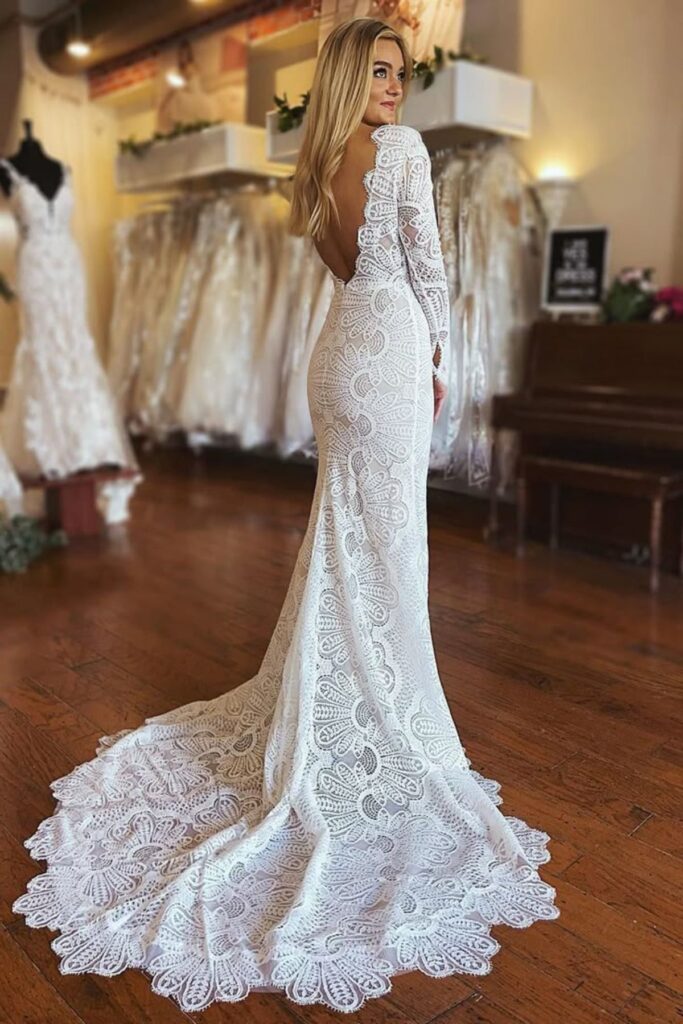
Finding your wedding dress can feel like a major victory, especially after trying on countless styles.
However, buying the dress is often only part of the clothing expense.
Wedding gowns frequently need alterations for length, fit, straps, bust adjustments, or other changes.
Even a dress that fits beautifully in the boutique may need additional work before the wedding.
The same situation can apply to suits, tuxedos, bridesmaid dresses, flower girl outfits, and other wedding clothing.
Each alteration may seem manageable, but several adjustments can quickly increase your total spending.
This is another reason the wedding expense couples always underestimate deserves attention during the early planning stage.
The price displayed on the dress tag does not always represent the complete clothing budget.
Ask the bridal shop about likely alteration costs before purchasing your gown. If the shop cannot provide an estimate, ask where previous customers typically had their alterations completed.
You should also ask about rush fees because timing can affect the final price. Last-minute alterations may cost more when a tailor needs to squeeze your fitting into a busy schedule.
Shoes and accessories can create another layer of spending. You may need special undergarments, shapewear, jewelry, hair accessories, a veil, or comfortable reception shoes.
Create a complete clothing budget instead of focusing only on the gown or suit. Include alterations, accessories, shoes, undergarments, and potential cleaning or preservation costs.
That approach gives you a much clearer picture of what your wedding attire will actually cost.
Delivery And Setup Fees Can Sneak Into Your Budget

A vendor’s advertised price can look attractive until delivery and setup charges appear.
These fees are particularly easy to overlook because they may depend on location, timing, distance, or the amount of equipment involved.
Florists may charge delivery and installation fees, while rental companies can charge transportation and setup costs.
Bakeries may have separate delivery fees, especially when the cake requires careful handling.
The wedding expense couples always underestimate often includes these charges because they appear after the main price has already been considered.
You may mentally record a $1,000 rental package without remembering that delivery and setup could add several hundred dollars.
Ask every vendor whether their quote includes delivery, setup, breakdown, and pickup. Get the answer in writing so you can compare vendors accurately.
This matters especially for venues located outside major city areas. A vendor traveling a long distance may charge more for transportation and labor. Weekend delivery schedules can also affect pricing.
You should also ask about breakdown services after the reception. Some rental companies collect their equipment automatically, while others require specific arrangements.
If you are working with several vendors, keep a separate column for these fees in your spreadsheet. This makes hidden costs easier to spot before you sign contracts.
The goal is not to avoid every fee because some services genuinely require extra labor. Instead, you want to know about those charges before they become surprises.
A wedding budget works best when it reflects the complete price of an experience. Once you start asking about delivery and setup, those mysterious extra charges become much easier to predict.
Stationery And Last-Minute Printing Can Add Up
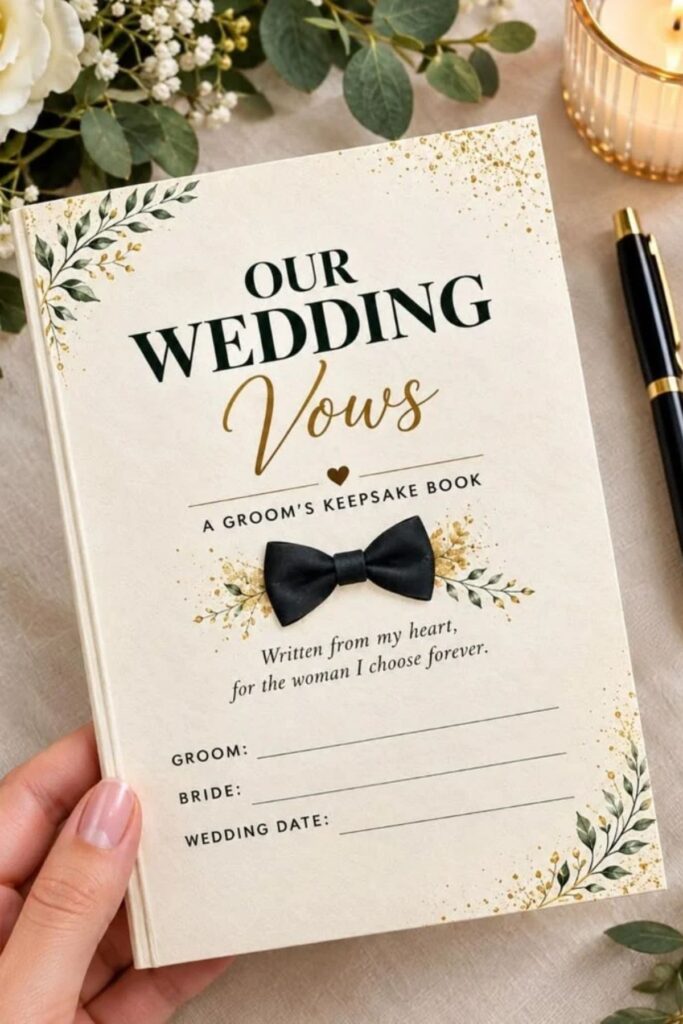
Wedding stationery often begins with a simple invitation budget, but the final amount can become much larger.
Couples may remember invitations while forgetting menus, programs, place cards, table numbers, signage, thank-you cards, and postage.
Each item may cost only a few dollars, which makes these expenses easy to dismiss during early planning.
However, ordering several printed items for dozens or hundreds of guests can quickly change the total.
Postage deserves special attention because wedding invitations can be heavier than ordinary mail.
Multiple cards, envelopes, response cards, and decorative details can increase the mailing cost.
The wedding expense couples always underestimate can therefore appear through something as ordinary as stamps.
When your guest list contains 150 people, even a modest difference per invitation can become a noticeable expense.
Printing costs can also increase when you make changes after placing an order.
Perhaps the ceremony time changes, a venue address needs correcting, or someone’s name gets misspelled. Reprinting everything can become expensive, especially close to the wedding date.
A practical approach is to create a complete stationery list before placing your first order. Include invitations, envelopes, postage, programs, menus, signage, seating materials, and thank-you cards.
You should also order a few extra pieces where practical. Having extras can help if an invitation gets damaged or another guest needs one later.
Digital designs can reduce certain expenses, although they may not suit every wedding style. If you prefer printed stationery, ask your printer for a complete quote before approving the design.
Wedding Party Gifts Can Stretch The Budget

Wedding party gifts often begin with good intentions and end with a much larger receipt than expected.
You may plan a small thank-you gift for each person, but your original idea can grow after browsing stores and seeing attractive options.
A couple might start with personalized robes, then add jewelry, accessories, gift boxes, candles, handwritten notes, and other extras. Suddenly, a simple thank-you has become a complete package.
The wedding expense couples always underestimate can easily include these thoughtful gestures because they are rarely listed beside major vendors.
Yet the cost can become substantial when you have several bridesmaids, groomsmen, flower girls, or family members receiving gifts.
The best approach is to set a per-person limit before shopping. Once you know the total amount available, you can choose gifts that fit comfortably within that figure.
You do not need to make every gift extravagant to make it meaningful. A handwritten note can carry more emotional value than another expensive item someone might never use.
Consider the person’s interests before buying anything personalized. A useful gift can feel far more thoughtful than an expensive object chosen simply because it looks wedding appropriate.
Also remember that personalization often comes with additional charges. Engraving, monograms, custom packaging, and expedited shipping can raise the final price.
If you have already spent heavily on wedding attire, travel, and accommodation for your wedding party, factor those costs into your overall appreciation budget.
Thoughtful gifts should feel joyful rather than financially stressful. Setting limits early allows you to express gratitude without watching your wedding budget slowly disappear inside gift bags.
Transportation Costs Can Become A Hidden Wedding Expense

Transportation is another category that can quietly increase wedding spending. Couples may budget for transportation to the ceremony while forgetting about transportation between multiple locations.
You might need vehicles for the wedding party, family members, guests, photographers, or vendors. If the ceremony and reception are in different locations, those trips can create additional costs.
The wedding expense couples always underestimate becomes especially noticeable when the day’s schedule involves several stops.
Transportation providers may charge based on hours, mileage, vehicle size, waiting time, or additional stops.
Ask transportation companies exactly what their quoted price includes. Check whether fuel, driver gratuity, overtime, parking, tolls, and waiting periods are included.
You should also consider the timing of the rental. A vehicle booked for several hours may become more expensive if the wedding schedule runs late.
Delays can happen because photographs take longer, family members arrive late, or the reception starts behind schedule.
If your venue offers transportation recommendations, ask about their experience with similar wedding timelines. A realistic schedule can help prevent unnecessary overtime charges.
Guest transportation may also need attention for destination weddings or venues far from hotels. Shuttle buses can make things easier for guests, but they still need to fit into the overall budget.
Create a transportation timeline alongside your wedding-day schedule. Write down every trip, approximate travel time, pickup location, and drop-off point.
That simple exercise can reveal transportation needs before they become emergencies. It also gives vendors enough information to provide more accurate estimates.
Meals And Vendor Feeding Costs Can Surprise Couples
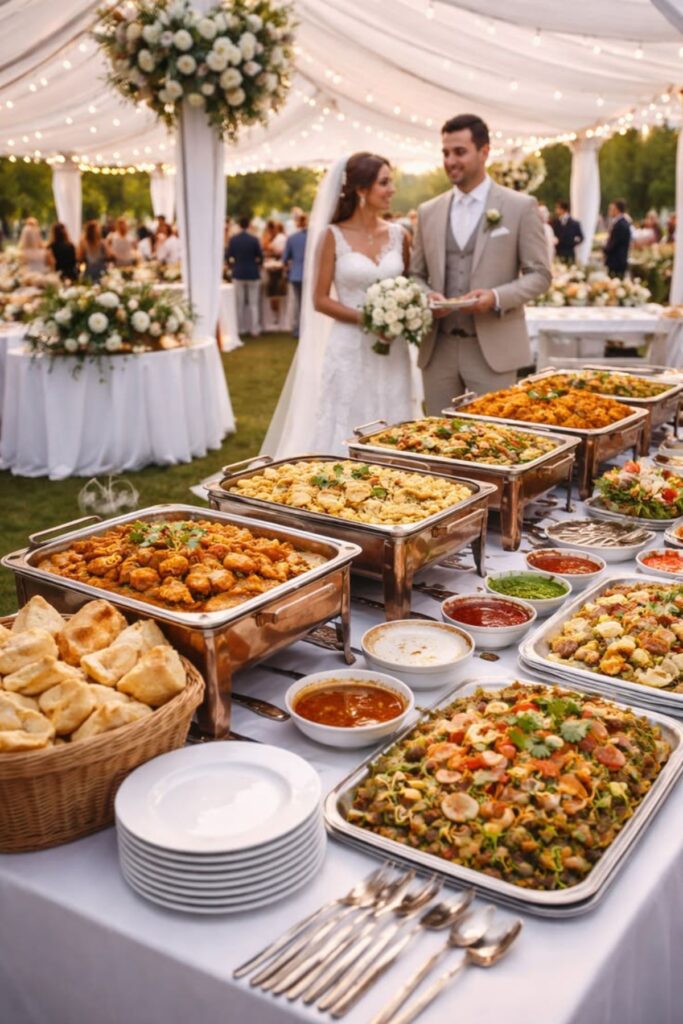
Food usually receives plenty of attention during wedding planning, but couples sometimes forget about meals for vendors.
Depending on your contracts and wedding schedule, certain vendors may need food during the event.
Photographers, videographers, DJs, coordinators, planners, and other professionals may work for many hours.
A vendor who starts before the ceremony and leaves after the reception could spend most of the day at your venue.
Your contracts should tell you whether meals are required, included, or optional. Check those details before finalizing your catering numbers because vendor meals can affect your final count.
The wedding expense couples always underestimate can grow when several professionals need meals. Even a modest per-person cost becomes significant when you have a large vendor team.
Ask your caterer about vendor meal options rather than automatically counting them as full guest meals. Some caterers offer simpler meals for vendors at a different price.
Timing matters too. Your vendors may need to eat during a specific part of the reception because they cannot leave their responsibilities for long.
Talk with your planner or coordinator about creating a practical meal schedule.
Your photographer, for example, may need to eat while guests are eating so they can finish before major reception events begin.
You should also consider your getting-ready locations. If your wedding party spends several hours preparing before the ceremony, snacks and drinks may become another expense.
These costs are easy to overlook because they do not feel like part of the main reception. However, feeding everyone who works through your wedding day can become a meaningful line in the final bill.
Last-Minute Purchases Can Quietly Drain Your Budget

Some wedding expenses never appear on the original planning spreadsheet because nobody knows they will be needed yet.
These are the last-minute purchases that seem harmless individually but can become surprisingly expensive together.
Perhaps the flower girl needs different shoes, the groom discovers a missing belt, or the guest book needs extra pens.
Maybe someone spills coffee on a wedding accessory, or the weather suddenly requires umbrellas for the outdoor ceremony.
These situations are common because weddings involve many people, moving parts, and unpredictable moments.
The wedding expense couples always underestimate can therefore appear through dozens of tiny purchases during the final days.
You might make emergency trips to a drugstore, department store, craft shop, or grocery store without thinking about the total.
Then the receipts begin stacking up, and you realize those little purchases have created another sizeable bill.
Creating a wedding emergency fund can help protect your main budget. Set aside money specifically for unexpected items instead of borrowing from categories that already have strict limits.
Your emergency fund could cover extra décor supplies, garment repairs, beauty products, snacks, weather supplies, batteries, extension cords, or other practical needs.
It also helps to prepare an emergency wedding kit before the big day.
Include items such as safety pins, stain remover, tissues, pain relievers, sewing supplies, fashion tape, chargers, and other useful basics.
You do not need to buy everything at once. Start collecting practical items during the months before your wedding, especially when you find inexpensive options.
This category can feel almost silly during the early planning stage because nobody wants to budget for hypothetical problems.
However, having money available for surprises can make the final week much calmer.
The goal is not to predict every possible problem. Instead, you are giving yourself financial breathing room when something unexpected happens.
Beauty And Getting-Ready Costs Can Grow Quickly
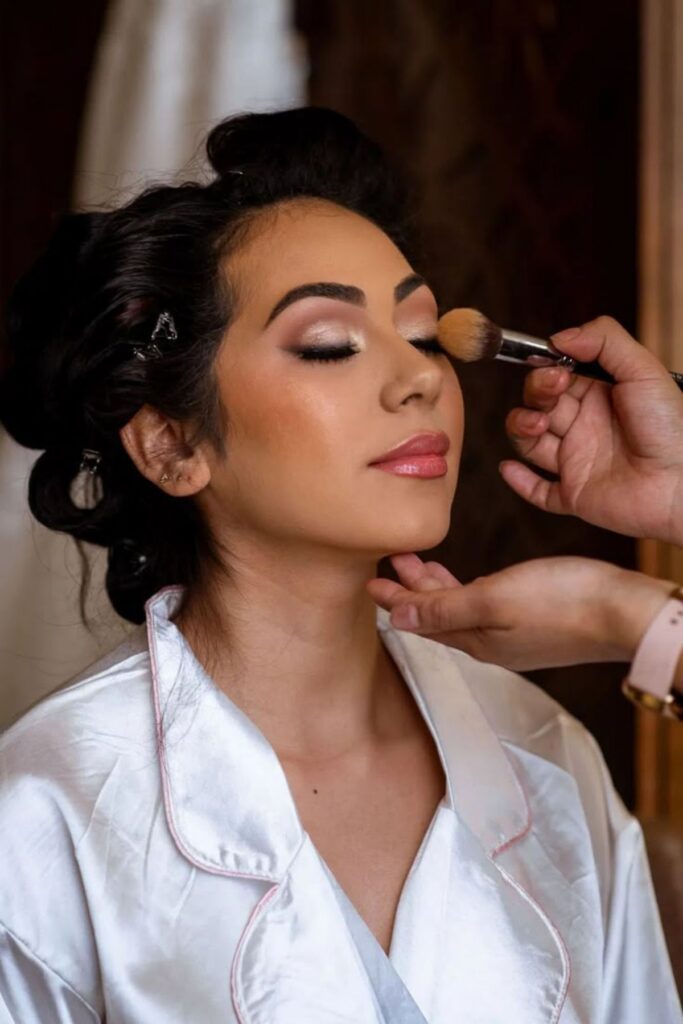
Many couples create a beauty budget based on the main appointment price and forget about everything surrounding it.
Hair and makeup may have clear fees, but additional services and products can increase the final cost.
Bridal hair can require trials, extensions, accessories, additional styling time, or changes before the ceremony. Makeup may also involve a trial appointment, lashes, touch-ups, or extra products.
The wedding expense couples always underestimate can appear through these smaller beauty decisions.
A service that initially costs a few hundred dollars can become considerably more expensive after adding several extras.
The wedding party can increase the total further. Bridesmaids, mothers, flower girls, and other family members may also have hair or makeup appointments.
Ask your beauty team for a complete estimate that includes trials, travel, touch-ups, lashes, extensions, and other possible charges.
You should also ask about deposits and cancellation policies before booking.
Getting-ready locations can create additional expenses too. You may need breakfast, lunch, drinks, robes, slippers, mirrors, lighting, or additional seating.
If your beauty team travels to your location, ask whether travel fees apply. Parking and early-morning appointments may also affect the final price.
A useful strategy is deciding which services matter most before adding extras. You can then spend intentionally instead of saying yes to every suggestion during an already emotional planning period.
Remember that wedding mornings can become hectic quickly. Having a clear beauty schedule helps everyone know where they need to be and when.
Your wedding photos will capture plenty of getting-ready moments, so planning this part carefully can help you enjoy those memories without worrying about unexpected charges.
The Knot’s real wedding budget breakdown provides useful context about wedding spending and common budget categories.