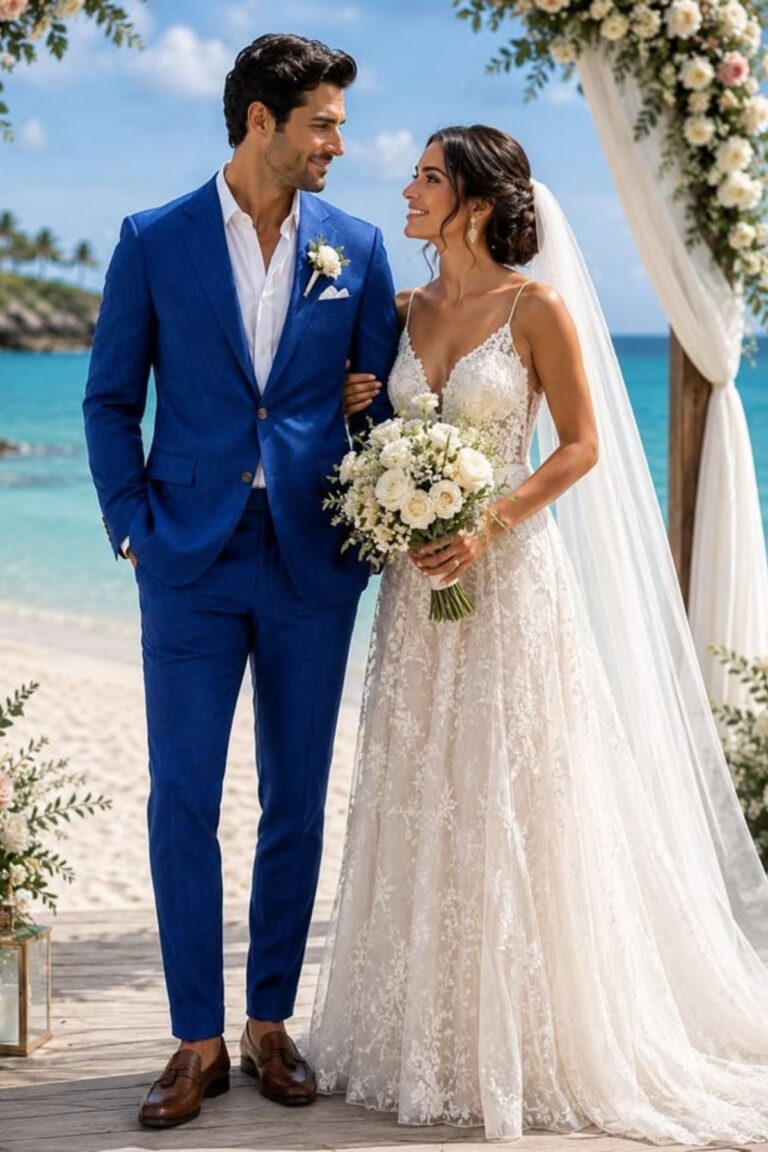

The Ultimate Italy Destination Wedding Guide
Disclosure: Some of the links in this post are affiliate links. This means if you click on the link and purchase an item, I will receive an affiliate commission at no extra cost to you.
An Italy destination wedding guide can make planning abroad feel much easier when you know where to begin. Italy offers lakes, coastlines, vineyards, historic cities, and countryside settings for beautiful celebrations. Still, choosing the right place requires more thought than saving the prettiest wedding photo online.
For American couples, planning abroad also means considering travel, paperwork, guest comfort, timing, and local vendors. The good news is that you do not need to figure everything out in one afternoon.
This Italy destination wedding guide will help you turn the dream into a practical wedding plan.
The Ultimate Italy Destination Wedding Guide
Choosing The Right Italian Wedding Destination
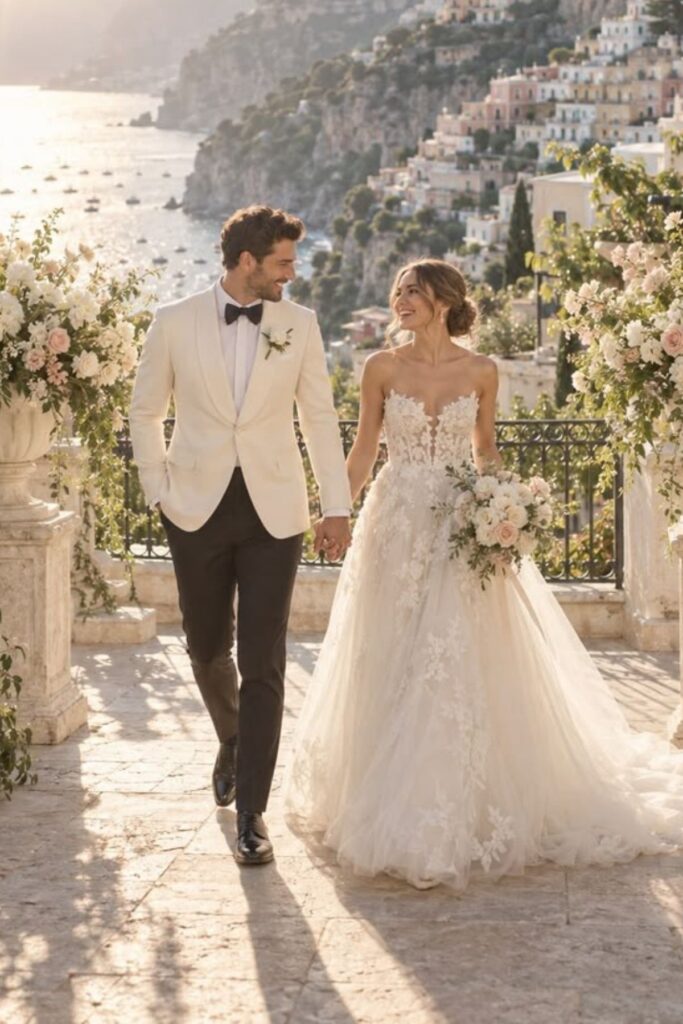
Choosing your Italian wedding destination should begin with the atmosphere you want rather than venue photographs.
Italy offers dramatically different settings, and each one creates its own wedding experience.
Lake Como suits couples dreaming about elegant villas, mountain views, and peaceful lakeside celebrations.
Italy’s tourism authority specifically highlights Lake Como as a wedding destination for different seasons.
Tuscany creates another mood, especially for couples imagining vineyards, countryside estates, olive groves, and outdoor dinners.
The region can work beautifully when food, wine, scenery, and relaxed entertaining matter equally.
The Amalfi Coast creates a completely different atmosphere with colorful towns, cliffs, beaches, and Mediterranean views.
Puglia offers another appealing choice, especially for couples interested in countryside venues and distinctive local architecture.
Sicily and Sardinia can suit couples who want beaches, sunshine, and island culture surrounding their celebration.
Rome, Florence, Venice, and Milan can also work beautifully for couples who prefer historic city settings.
That variety means there is no single Italian destination that fits every couple. Think about your guest list, wedding size, season, budget, and preferred atmosphere before contacting venues.
Consider how far your guests must travel after landing, especially when your venue sits outside a major city.
A beautiful location becomes less appealing when guests face several transfers after a long international flight.
Look at transportation, accommodation, airport access, and nearby activities before falling completely in love with a venue.
Deciding When To Have Your Italian Wedding

Your wedding season can completely change how your Italian celebration feels, so choose your dates carefully.
Summer naturally attracts couples who want outdoor ceremonies, sunny afternoons, and long evenings for dinner.
However, popular summer dates can bring stronger demand for venues and accommodation.
Coastal locations can also become busier during peak travel periods, which may affect your overall experience.
Spring can offer a beautiful alternative for couples who enjoy gardens, flowers, and milder temperatures.
Fall can create an equally appealing setting, especially for countryside celebrations involving wine and seasonal food.
Winter deserves consideration too, particularly for couples planning elegant celebrations in historic cities.
The right venue can create a beautiful indoor experience when outdoor conditions become less predictable.
Your Italy destination wedding guide should also account for your guests’ vacation schedules.
American guests may need several days away from work because international travel requires additional time.
Give guests plenty of notice, particularly if you choose a popular travel period.
Early communication allows them to arrange flights, passports, accommodations, childcare, and vacation time.
You should also research local holidays and major events before confirming your wedding date.
Busy periods can affect hotels, transportation, restaurants, attractions, and general travel conditions.
Weather should influence your planning, especially when your ceremony depends heavily on outdoor spaces.
Always ask your venue about rain plans and indoor alternatives before signing your contract.
A wedding date should support your vision without creating unnecessary pressure for everyone involved.
Understanding The Legal Requirements Before Booking

Legal planning deserves attention long before you arrive in Italy with your wedding dress.
For American couples, marriage requirements abroad can involve documents, translations, authentication, and local procedures.
You should also contact the appropriate Italian municipality before finalizing your legal ceremony.
A qualified local wedding professional can also explain which documents your particular situation requires.
Some couples choose to complete their legal marriage in the United States before holding their Italian ceremony.
Other couples may prefer completing the legal ceremony in Italy because the official experience matters personally.
There is no universal answer because your priorities, paperwork, timeline, and family circumstances can differ.
What matters most is understanding the process before paying deposits or sending final invitations.
Keep copies of important documents and follow instructions from the relevant authorities carefully.
You should also confirm whether documents need recent issue dates, certified translations, or authentication.
Do not rely entirely on wedding forums because requirements can change or differ by municipality.
Use official government sources and qualified local professionals for your final legal checklist.
An Italy destination wedding guide can organize your planning, but legal requirements deserve direct confirmation.
Building A Realistic Italy Wedding Budget

Italy can accommodate different wedding styles, but destination celebrations require careful financial planning from the beginning.
Your budget should cover more than the venue, food, flowers, and wedding attire.
Your own budget should begin with the number of guests you realistically expect. Every additional guest can affect catering, drinks, rentals, transportation, accommodation, and other wedding services.
You should also separate wedding expenses from guest travel costs whenever possible.
Guests generally arrange their own flights and accommodations, but couples often cover transportation or welcome events.
Ask venues for complete pricing rather than focusing only on the headline package price.
A lower venue quote can become expensive after staffing, rentals, taxes, service charges, transportation, and setup.
Your Italy destination wedding guide should also include a contingency fund for unexpected expenses.
International weddings can involve currency changes, additional transportation, weather adjustments, and last-minute vendor needs.
Keep a separate amount for personal spending because wedding planning can tempt you into endless upgrades.
That extra floral arrangement can look irresistible until you realize five other upgrades came before it.
Set priorities with your partner before booking vendors, so disagreements do not appear after deposits.
Decide which areas matter most, then protect those categories throughout the planning process.
Finding The Right Italian Wedding Venue
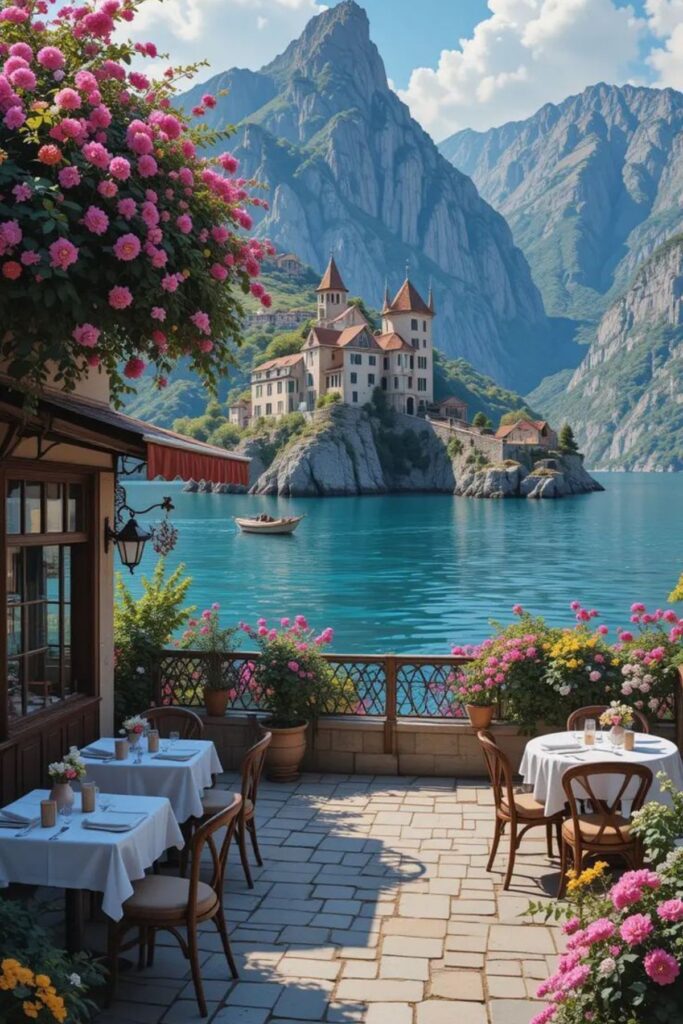
Choosing a venue requires more than falling in love with its photographs. You need to understand how the property actually works during a wedding day.
Start by asking about ceremony spaces, reception areas, guest capacity, accommodation, parking, transportation, and weather plans.
Then ask how long vendors can access the property for setup and breakdown.
Some Italian venues operate from historic buildings with specific restrictions on music, candles, decorations, or outdoor events.
Those rules can affect your plans, particularly if you imagine a late-night outdoor reception.
Ask about sound restrictions before booking entertainment, especially when your celebration will continue into the evening.
You should also confirm whether outside vendors are permitted or whether the venue requires preferred suppliers.
Ask for recent wedding galleries rather than relying entirely on styled photographs.
Real weddings can reveal how tables, guests, lighting, dance floors, and ceremony spaces look together.
If possible, schedule a venue visit before signing the final contract. Walk through the ceremony area, reception space, restrooms, guest accommodations, and transportation points.
If visiting Italy is impossible, request a live video tour with the venue coordinator. Ask them to show spaces from normal viewing angles instead of presenting only carefully selected photographs.
Read the contract carefully, especially cancellation policies and payment schedules. Ask what happens if weather affects an outdoor ceremony or transportation becomes unavailable.
Working With Italian Wedding Vendors

Local vendors can make an enormous difference because they understand the area, venues, customs, and practical details.
Your Italy destination wedding guide should therefore include enough time for careful vendor research.
Start with your planner if your budget allows one, particularly when you live outside Italy. A local planner can communicate with vendors and help coordinate details across different time zones.
Ask potential vendors about previous destination weddings they have handled for American couples.
Their experience can reveal how comfortable they are with international communication and expectations.
Photography deserves particular attention because your wedding album will become one of your lasting keepsakes.
Review complete galleries rather than choosing a photographer based on several impressive social media images.
Look for consistency across different lighting conditions, indoor moments, family photographs, portraits, and reception images.
You should also discuss delivery times, album options, backup equipment, and image rights before signing.
For flowers, ask which varieties will be available during your wedding season. Seasonal flowers can affect both availability and pricing, so discuss alternatives before making your final design.
Catering requires equal attention because food can become a major part of your Italian celebration.
Ask about tasting opportunities, dietary restrictions, children’s meals, beverage packages, and late-night food.
Communication should also be discussed openly with every vendor.
Confirm response times, preferred communication channels, payment methods, and the person responsible on your wedding day.
If you feel confused after several vendor conversations, pause before signing anything.
Planning Travel And Accommodation For Your Guests

Your guests are making a major commitment by traveling internationally for your wedding. Making their trip easier can therefore become one of the kindest things you do during planning.
Start by giving guests clear information about airports, transportation, accommodation, and approximate travel times.
A simple wedding website can keep these details organized and easy to find.
You can recommend several accommodation options rather than choosing only the most expensive property.
That approach gives guests different price points while keeping everyone within reasonable distance.
Consider arranging transportation when your venue sits far from major hotels or transportation hubs.
A shared shuttle can reduce confusion, especially after an evening reception with limited local transportation.
Your Italy destination wedding guide should also encourage guests to check their passport requirements early.
American travelers need a valid passport for international travel, and individual circumstances can affect entry requirements.
You should also encourage guests to check official travel information before booking flights.
Travel conditions can change, and each traveler remains responsible for their personal documents and arrangements.
Consider creating a simple arrival schedule for guests who have never visited Italy. Explain when transportation leaves, where they should meet, and whom they should contact if plans change.
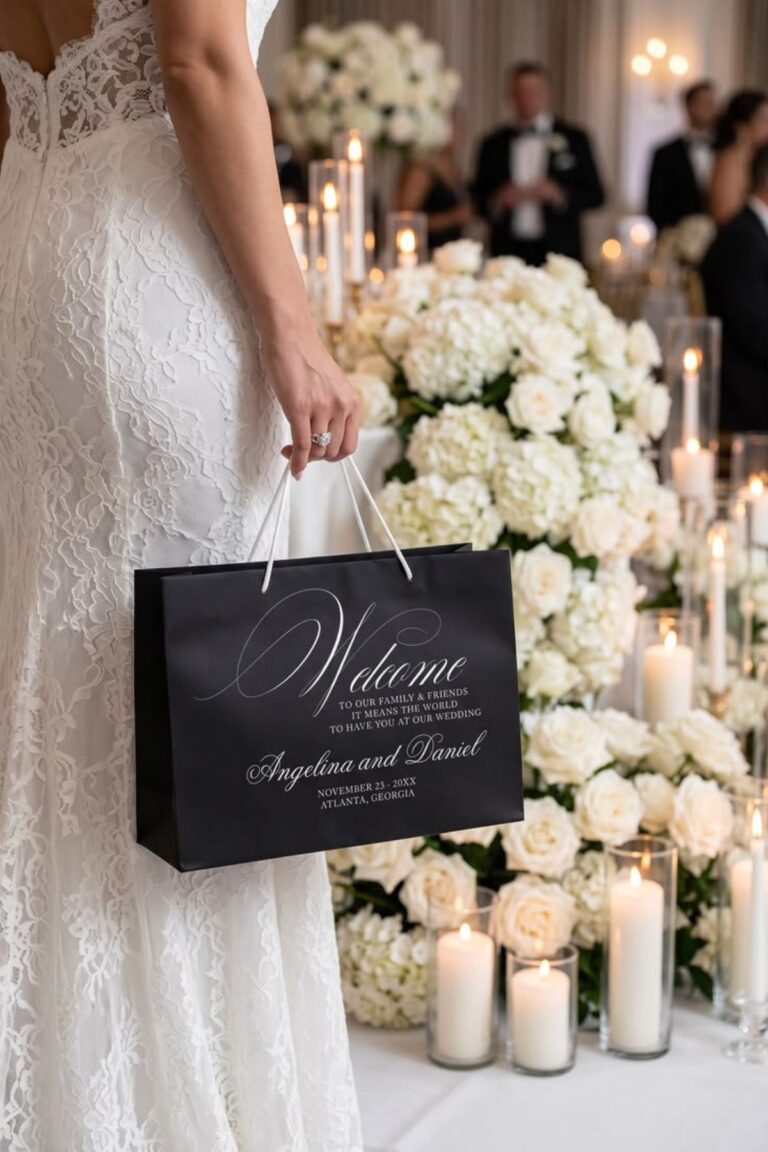
Welcome bags can include practical items instead of filling another bag with things guests may never use. A small map, itinerary, snacks, water, and local recommendations can be surprisingly helpful.
You can also plan one optional group activity before or after the wedding. However, avoid filling every free hour because guests may want time alone.
Choosing Wedding Attire For The Italian Setting
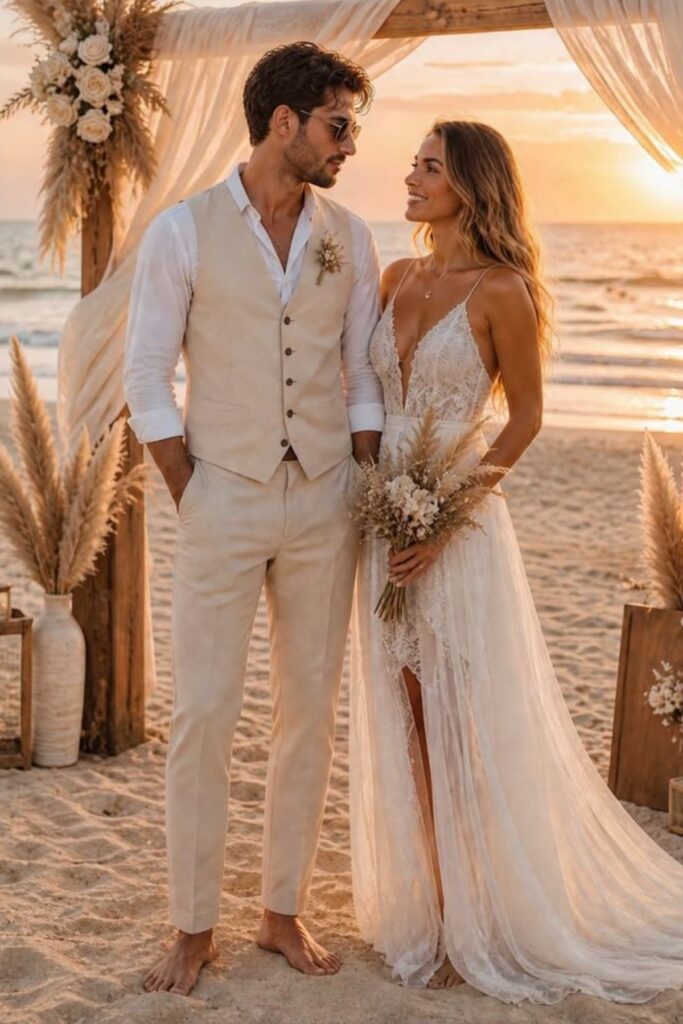
Your wedding attire should reflect your personal style while also working with the Italian setting. A dramatic ball gown may look gorgeous at a villa, but steep streets can change your plans quickly.
Think about the ceremony location before choosing shoes, especially for venues involving cobblestones or uneven ground.
A second pair of comfortable shoes can become one of your smartest wedding purchases.
Weather should also influence your fabric choices, particularly for outdoor celebrations during warmer months.
Lightweight materials can feel more comfortable when temperatures rise during afternoon ceremonies.
If your wedding takes place near the coast, consider how wind might affect veils, hairstyles, and lightweight accessories.
A beautiful veil can become surprisingly determined to appear in every photograph if the wind gets involved.
Your Italy destination wedding guide should also include attire considerations for guests. Give guests clear information about the ceremony setting, expected dress code, and weather conditions.
For example, formal clothing may need practical adjustments for a countryside venue. Guests wearing delicate heels may appreciate knowing that the ceremony takes place on grass.
The same consideration applies to the wedding party. Bridesmaids and groomsmen should understand the travel requirements before ordering outfits or accessories.
Think about your wedding photographs as well, because the setting can influence your overall styling.
Italian architecture, gardens, coastlines, and villas can provide strong visual backgrounds without excessive accessories.
Most importantly, choose clothing that lets you move comfortably throughout the celebration. You will probably hug dozens of people, dance, sit through dinner, and pose for photographs.
Planning Photography Around Italy’s Natural Beauty
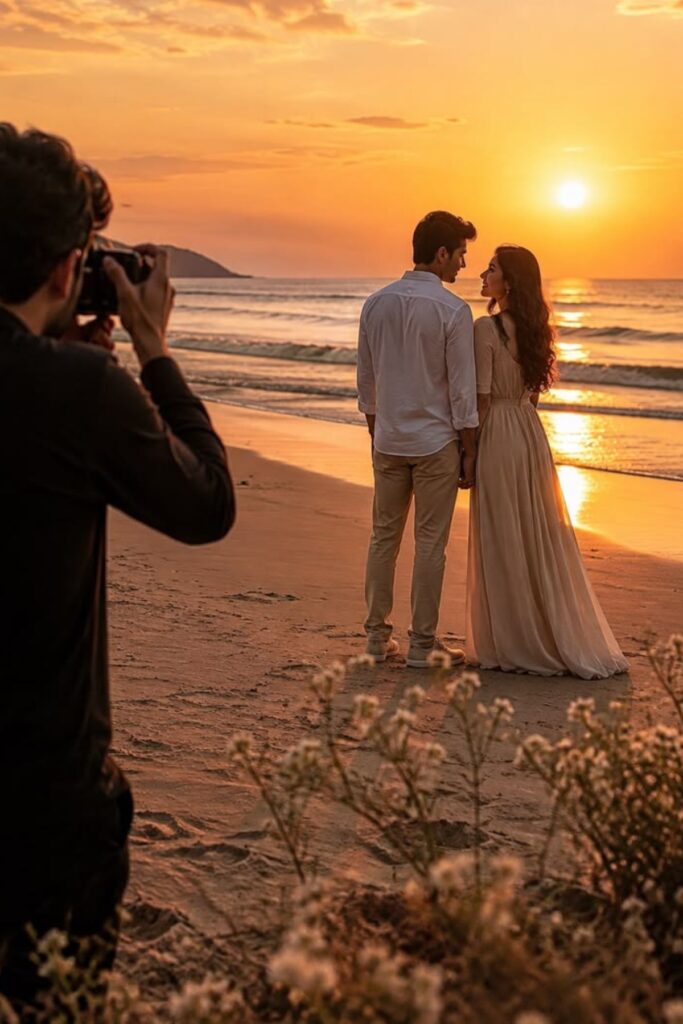
Italy gives wedding photographers an extraordinary variety of backgrounds, but good planning still matters.
The prettiest location will not automatically create beautiful photographs without thoughtful timing.
Discuss your preferred photography style with your photographer before creating the wedding timeline.
Some couples love romantic portraits, while others prefer candid images that document conversations and spontaneous moments.
Ask your photographer how much portrait time they recommend for your venue. A large property may require more walking between locations than you expect from photographs.
Lighting should also influence your schedule, particularly if you want outdoor portraits.
Your photographer can suggest suitable times based on the season, venue orientation, and available natural light.
Avoid filling the entire day with photography because your wedding should remain a celebration.
Give yourself enough time for family portraits while protecting space for conversations and relaxed moments.
Ask your photographer about permissions before planning photographs at public or historic locations.
Some sites may have restrictions, fees, or rules affecting professional photography.
You should also create a family photograph list before the wedding day. Keep it practical and assign someone who knows both families to help gather people.
That small step can save considerable time during the reception and reduce unnecessary stress. Your photographer should be taking photographs rather than searching for missing relatives.
A thoughtful photography plan lets you enjoy Italy while still capturing the scenery and emotions surrounding your wedding.
Creating A Practical Timeline For Your Italy Wedding
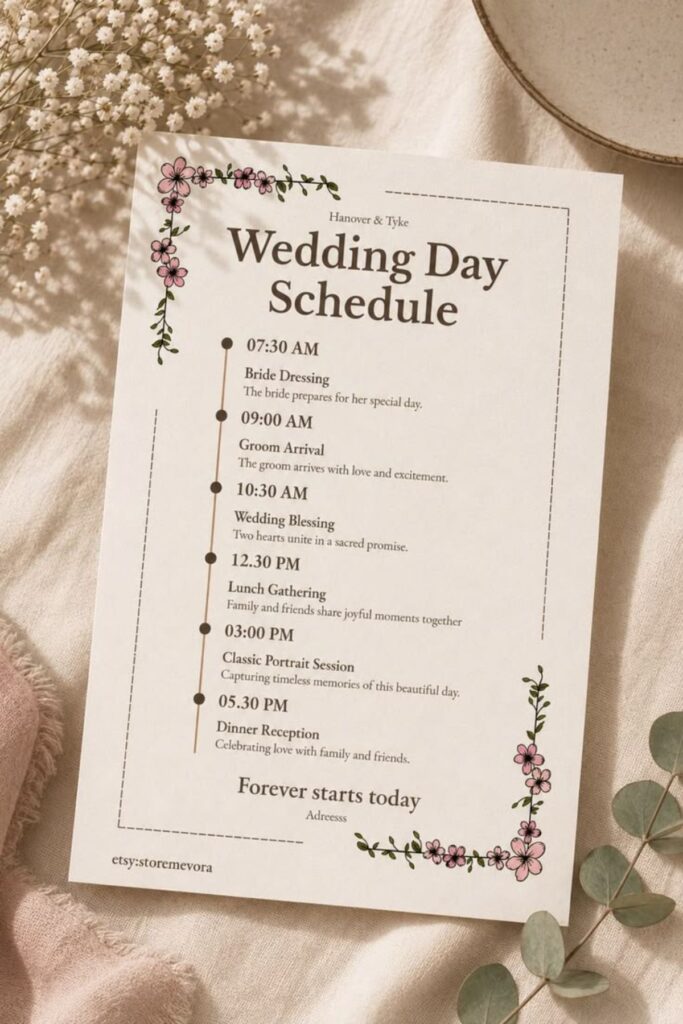
A destination wedding timeline needs more breathing room because travel can introduce delays and unexpected changes.
Your Italy destination wedding guide should therefore build flexibility into important parts of the day.
Start with the ceremony time, then work backward through hair, makeup, getting dressed, transportation, and photographs.
Give yourself more time than you think you need, especially when several people share transportation.
Transportation deserves particular attention when your venue sits outside a major town. Traffic, narrow roads, weather, and unfamiliar routes can affect arrival times.
Ask your local planner or transportation company about realistic travel times. Do not base your schedule solely on the fastest route shown by a navigation app.
Your ceremony should also leave enough time for guests to arrive comfortably. Nobody wants to sprint from a shuttle into the ceremony while holding their dress.
After the ceremony, schedule family photographs before releasing everyone for cocktails. That approach can keep group photographs organized without consuming your entire reception.
Give yourself private time with your spouse too. Even twenty quiet minutes can help you pause and appreciate what is happening.
Your reception timeline should include dinner, speeches, dancing, and any cultural traditions you plan to include.
Avoid scheduling so many activities that guests feel like they are watching a stage production.
Leave small gaps between major moments because real weddings rarely follow the schedule perfectly.
A few extra minutes can absorb delays without creating panic throughout the evening.
Your Italy destination wedding guide should also include a clear emergency contact list. Share key vendor numbers with your planner, wedding party, and anyone responsible for transportation.
A flexible timeline can keep small problems from becoming major disruptions. The goal is a celebration that feels organized without making everyone stare at the clock.