
10 Passport Mistakes That Can Delay Your Wedding
Disclosure: Some of the links in this post are affiliate links. This means if you click on the link and purchase an item, I will receive an affiliate commission at no extra cost to you.
Planning a wedding already comes with enough moving pieces, and passport mistakes can create another headache when international travel is involved. A forgotten renewal, incorrect information, or missing document can turn an exciting honeymoon plan into an unexpected race against time. That is why checking your passport early deserves a place on your wedding checklist, right beside the venue, dress, and flowers.
Your wedding celebration should lead to champagne and beautiful memories, rather than frantic calls about missing travel documents. A little preparation can save you from expensive changes, stressful delays, and the possibility of postponing your honeymoon. If international travel is part of your plans, these are 10 Passport Mistakes That Can Delay Your Wedding.
10 Passport Mistakes That Can Delay Your Wedding
1. Waiting Until The Last Minute To Check Your Passport
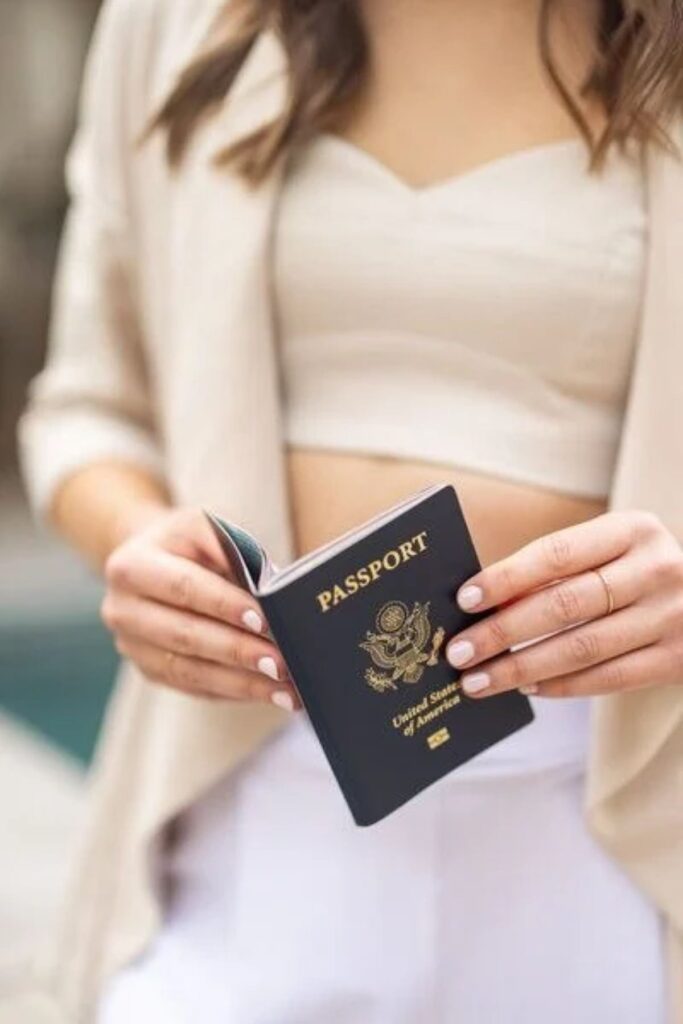
One of the most common passport mistakes is assuming your passport will work because it has not expired.
Many couples check the expiration date only after booking flights, hotels, and honeymoon activities. Unfortunately, that timing can produce an expensive surprise.
Some countries require your passport to remain valid for several months beyond your planned travel dates.
Imagine spending months planning a romantic beach honeymoon, only to discover that your passport expires shortly afterward.
Suddenly, your relaxing trip becomes a race against the calendar, with passport paperwork competing against wedding appointments.
This is why checking your passport should happen before you book expensive international travel.
Look at the expiration date, then check the entry requirements for your destination. Do not rely on assumptions because requirements can differ between countries.
Give yourself enough time for unexpected delays, especially if you need a new passport.
Routine processing currently takes four to six weeks, while expedited service takes two to three weeks. Mailing time can add several more weeks to the total timeline.
A quick passport check can therefore save you from an enormous headache later. Your wedding calendar already has enough drama, so your passport does not need its own starring role.
2. Entering Your Name Incorrectly On Your Application
Another passport mistake can happen before your application even reaches the processing stage.
A misspelled first name, missing middle name, or incorrect surname can create problems later. Wedding planning makes this especially important because names often change around the marriage date.
Couples should compare their passport information against their official documents before submitting an application.
This includes checking spelling, middle names, suffixes, and other details that appear on government records.
The issue becomes more complicated when someone plans to change their surname after getting married.
You might already have airline tickets under your current name while your new passport carries another name.
That difference deserves careful planning because your travel documents need to make sense together.
Data errors also have their own correction process, which can involve submitting your passport, a new photo, and evidence showing the correct information.
Before you submit anything, slow down and read every field carefully.
Wedding planning can make even simple forms feel like another chore on a giant to-do list. Still, those few extra minutes can prevent weeks of unnecessary stress.
If your wedding and honeymoon fall close together, think about your name change timeline before booking flights.
Discuss the plan with your spouse and check the current government requirements before making assumptions.
A passport containing the wrong name can become a very inconvenient souvenir from your wedding planning process. Catching the mistake early gives you much more room to fix it before your trip.
3. Using A Passport Photo That Does Not Meet The Requirements
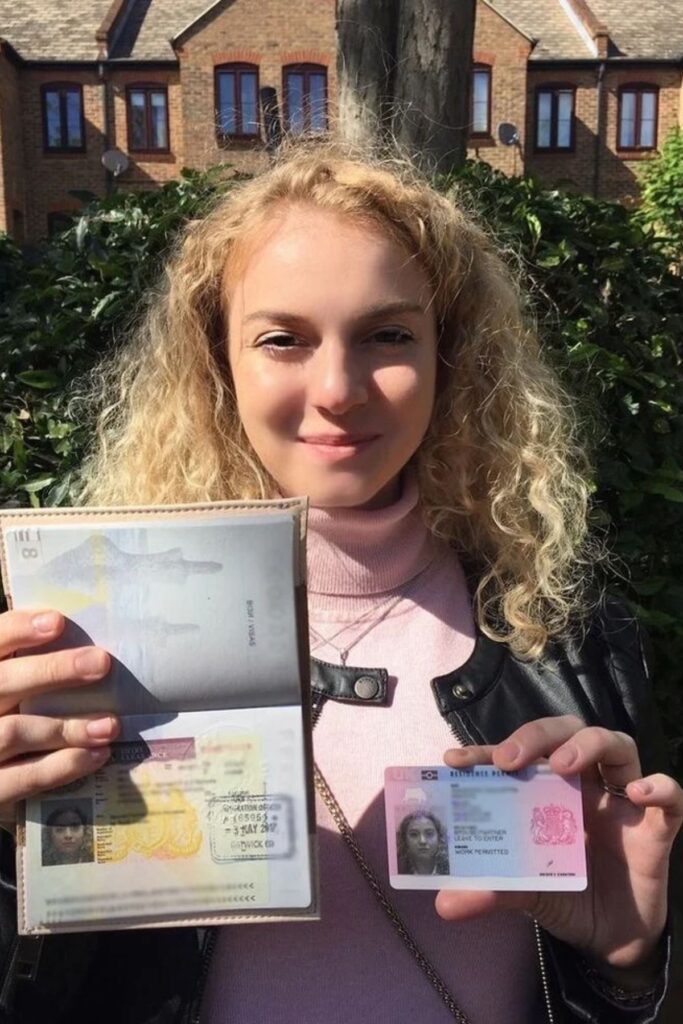
Passport photos may seem like the easiest part of an application, but they cause more problems than many travelers expect.
That fact alone should make couples pay attention before submitting their applications.
A beautiful portrait is not automatically a suitable passport photograph because government photos follow specific rules.
For paper applications, the State Department requires a color photo taken within the previous six months.
The photo must show your face directly, with a plain white or off-white background.
Your expression, head position, lighting, image quality, and photo size also matter. The standard printed photograph must measure two inches by two inches. The head must fall within the required size range.
This is one of those passport mistakes that can feel ridiculous until it delays your application.
You may have spent hours choosing wedding flowers while your passport photo gets rejected because of a shadow.
Avoid using heavily edited pictures, filters, or artificial changes. The State Department specifically says applicants should submit an original, unchanged photograph.
Using a professional passport photo service can make the process easier, especially if you are already juggling wedding appointments.
If you take the photo yourself, compare it carefully against the current official requirements before submitting your application.
Remember that passport photography has a different purpose from wedding photography. Your goal is not to capture your most glamorous angle, but to provide a photograph that meets government requirements.
Taking the photo correctly the first time can save valuable processing time. When your wedding countdown is ticking, that small detail can make a surprisingly big difference.
4. Assuming Your Passport Is The Only Travel Document You Need
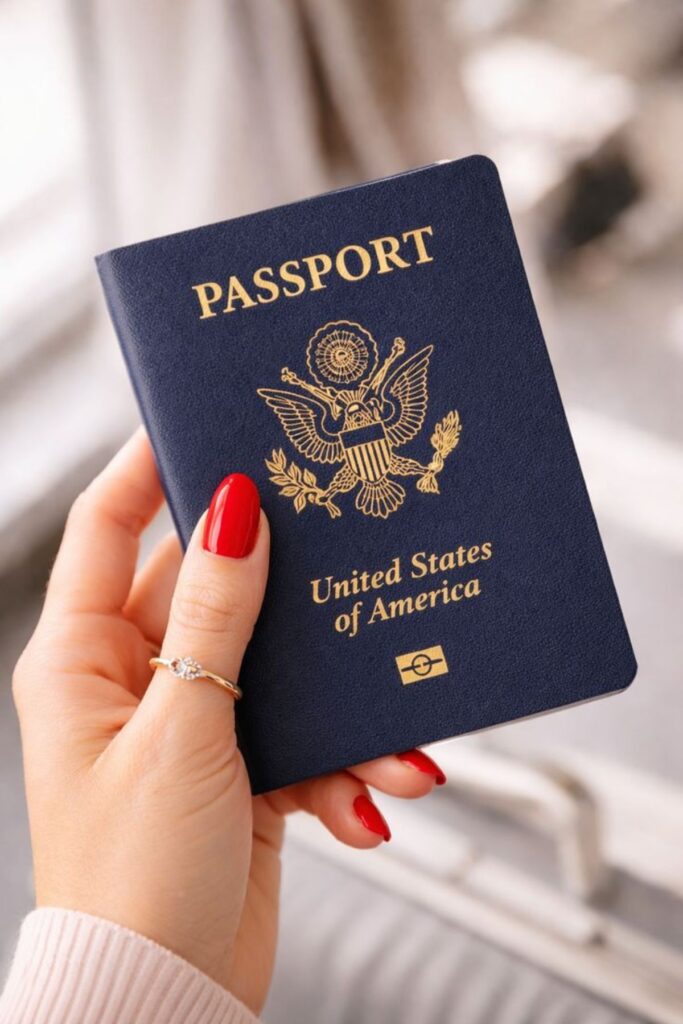
One of the passport mistakes couples make is treating the passport as the entire international travel plan.
A valid passport is important, but some destinations require additional documents before travelers can enter.
Depending on your destination, you might need a visa, electronic travel authorization, proof of onward travel, vaccination documentation, or other paperwork.
Requirements can also differ depending on your nationality and the purpose of your trip.
This matters for weddings because couples often focus heavily on flights and hotels first. Once those bookings are confirmed, paperwork can feel like something to handle later.
Unfortunately, some travel documents require advance processing, so waiting can leave you with fewer options.
For example, the State Department’s current Nigeria travel information lists passport validity, blank-page, visa, and vaccination requirements for U.S. travelers.
Your destination might have its own rules, so avoid copying another couple’s travel checklist.
Your friend may have visited the same country without needing a particular document, while your circumstances could be different.
Before finalizing your honeymoon plans, check the official entry requirements for every country on your itinerary. If your trip includes multiple countries, review each destination separately.
Then keep digital and physical copies of important documents in separate locations. That extra preparation can help if something gets lost during the trip.
A passport opens the door to international travel, but it does not always provide the entire key. Checking the other requirements early can keep your honeymoon from becoming a paperwork scavenger hunt.
5. Forgetting To Check Your Passport’s Condition
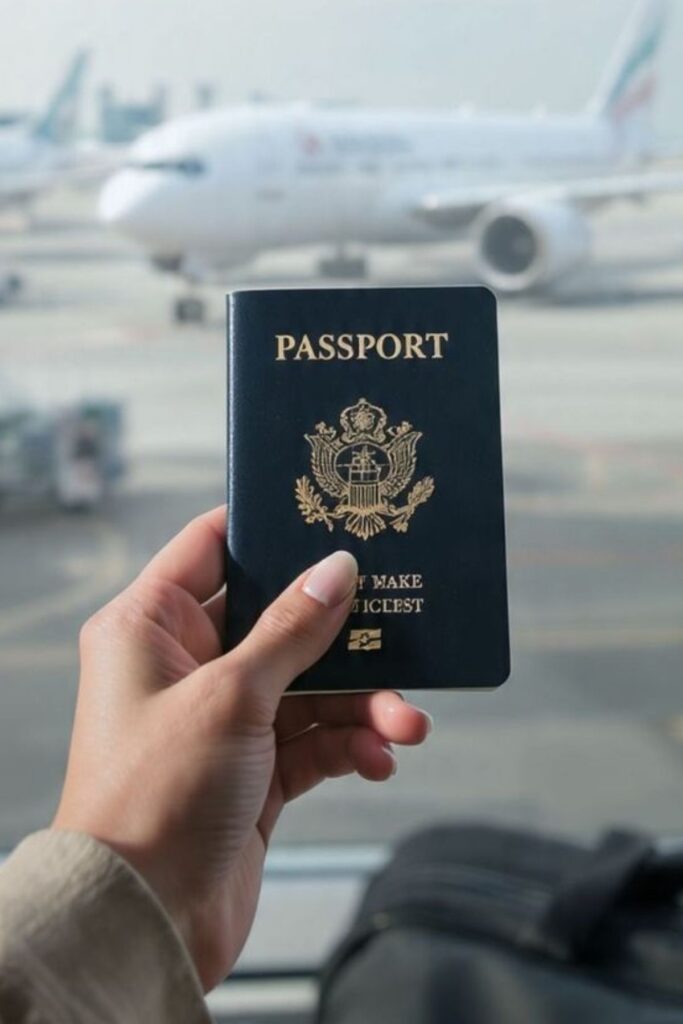
A passport can still have plenty of time left before expiration and cause problems because of physical damage.
Torn pages, water damage, missing pieces, or significant stains can make a passport unacceptable for travel.
This is one of those passport mistakes people often discover only after their travel plans are already locked in.
Take a close look at your passport before your wedding gets busy. Check the cover, personal information page, visa pages, and binding for signs of damage.
A passport that spent years in a crowded handbag may have picked up more wear than you realize.
Normal wear from regular use is generally different from damage that affects the passport’s condition.
Water damage deserves particular attention because it can affect pages and printed information.
A passport that looks fine from a distance may have problems that become obvious under closer inspection.
Even a slightly damaged document can create uncertainty during airline check-in or border inspection.
Do not wait until the airport counter to find out that your passport has become questionable. Airlines and immigration officials have the final say on whether travel documents meet their requirements.
If your passport has serious damage, check the current replacement process before booking your honeymoon.
You may need to submit the damaged passport along with an application and supporting documents. Processing times can then become part of your travel timeline.
It is also worth storing your passport somewhere dry and secure after receiving it. Keeping it loose in a suitcase pocket or underneath a pile of cosmetics is an invitation for trouble.
Your passport should spend more time in a safe place than beside your wedding makeup. Treating it carefully now can prevent another stressful task from landing on your plate later.
6. Booking Flights Before Checking Passport Requirements

Booking the honeymoon first and checking passport requirements later is another common mistake.
It feels exciting to click the confirmation button after finding a beautiful resort and a reasonable airfare. Unfortunately, excitement can sometimes get ahead of paperwork.
Some countries impose passport validity rules that extend beyond your departure date. Others require blank passport pages, visas, or additional travel authorizations.
If your documents do not meet those rules, a confirmed reservation may not help you board the plane.
This is especially important for couples booking nonrefundable wedding-related travel. Changing a hotel or flight at the last minute can cost hundreds or thousands of dollars.
Losing a honeymoon reservation because of a preventable paperwork issue can make the situation even more frustrating.
Before paying for international flights, check your passport expiration date. Then review the official entry requirements for every country on your itinerary.
If you are connecting through another country, check its transit requirements too.
Your airline can provide useful travel information, but official government sources should remain part of your research.
Requirements can change, and information posted on an old travel blog may no longer apply.
Think of your passport check as the travel version of trying on your wedding dress before the big day. You want to discover the problem early, while there is still time to fix it.
A few minutes of research before booking can protect your money, your schedule, and your honeymoon plans.
It can also prevent passport mistakes from turning an exciting booking day into an emergency planning session.
7. Assuming A Name Change Will Happen Automatically

Getting married can bring a new surname, but your passport does not automatically change because you said your vows.
If you plan to take your spouse’s last name, you need to follow the appropriate legal and passport procedures.
This becomes especially important when your honeymoon begins shortly after the wedding. You could have a passport showing your maiden name while your marriage certificate carries your married name.
That situation does not automatically mean you need to replace your passport immediately.
The State Department provides different procedures depending on when the passport was issued and when the legal name change occurred.
Supporting documentation may include a certified marriage certificate or another legal document showing the name change.
One practical approach is to think about the name on your airline ticket before changing your passport. If your ticket and passport show different names, you could face additional questions during check-in.
Couples should also consider the timing of Social Security records, driver’s licenses, banking documents, and other identification.
Changing everything at once can become a paperwork marathon during a period that already feels packed.
There is no prize for completing every name change immediately after the wedding. What matters is having consistent travel documents for your honeymoon.
If your trip is close to the ceremony, discuss the name change plan before booking flights. Check the current government instructions instead of relying on advice from friends who married years ago.
Among the passport mistakes that can cause wedding-related stress, name confusion is particularly easy to prevent with a little advance planning.
Your wedding day should be about saying “I do,” rather than explaining three different versions of your surname at the airport.
8. Losing Track Of Your Passport While Planning The Wedding

Wedding planning involves contracts, receipts, guest lists, invitations, fittings, appointments, and approximately a million tiny details.
In that chaos, it is surprisingly easy to misplace your passport. Losing the document shortly before international travel can turn a simple replacement into a race against time.
Some couples keep passports in handbags, desk drawers, luggage, or safe places that become impossible to remember later.
Others hand important documents to relatives while organizing wedding paperwork and forget where everything ended up.
This is one of the simplest passport mistakes to prevent because you do not need complicated technology or expensive services.
Choose one secure location for your passport and keep it there until you need it.
A locked drawer, household safe, or other secure location can work well. The important part is creating a consistent habit so you are not searching through wedding boxes two days before departure.
It can also help to keep a secure digital record of your passport information.
However, sensitive documents should be stored carefully and protected with appropriate security measures.
Do not casually send passport photographs through group chats or leave copies sitting in shared email accounts.
Before your wedding week begins, check that you know exactly where your passport is. Put it somewhere safe before guests start arriving and luggage starts multiplying around the house.
You may laugh at how simple that sounds, but wedding season has a way of making ordinary tasks disappear into thin air.
Your passport should never become the mystery item everyone is hunting for on honeymoon morning.
A dedicated travel folder can also help keep passports, reservations, insurance information, and other important paperwork together.
With one organized place for everything, you can spend less time searching and more time enjoying the countdown.
9. Forgetting To Check Your Passport After A Name Change Or Correction

Getting a replacement passport can feel like the end of the paperwork, but there is one more step that deserves attention.
You should check the finished passport carefully after it arrives, especially if you requested a name change or correction.
This is one of the passport mistakes that can slip past busy couples because receiving the document feels like a victory.
You open the envelope, see the familiar passport cover, and immediately start thinking about honeymoon outfits. However, the personal information page still needs a careful review.
Check your full name, date of birth, place of birth, passport number, and expiration date. If you requested a correction, compare the information against the supporting documents you submitted.
Finding an error at home gives you much more time to address it than discovering one at the airport.
You should also check the physical condition of the new passport when it arrives. Look through the pages and make sure the document appears complete and readable.
If you notice something that appears incorrect, contact the appropriate passport authority promptly instead of assuming the issue will fix itself.
Keep your application records and supporting documents available because they may help explain what happened.
This check becomes particularly important if your wedding and honeymoon dates are close together.
You do not want to discover an error while standing at the airport with luggage, wedding rings, and a boarding pass in hand.
Think of receiving your passport as the final proofreading stage of your travel paperwork. Give it a few quiet minutes before putting it away.
That small review can catch passport mistakes while there is still time to correct them.
Afterward, you can return your attention to the much more enjoyable business of choosing honeymoon clothes and celebrating your upcoming marriage.
10. Forgetting To Plan For Passport Processing Time

The final mistake ties many of the others together because timing can determine how much room you have to solve a problem.
Applying for a passport too close to your wedding or honeymoon can leave you with very few options.
Expedited processing currently takes two to three weeks, although mailing time is separate from those processing estimates.
Those numbers matter because couples often count only the processing period. If you mail an application, the package needs time to reach the processing center.
Once your passport is approved, the finished document also needs time to reach you.
That means a four-week processing estimate should never be treated as a guaranteed four-week door-to-door timeline.
Give yourself additional time so an unexpected issue does not collide with your wedding schedule.
You should also consider what happens if your application requires additional information. A missing document, unacceptable photo, or application error can create another delay.
The key is to avoid making your passport deadline the same as your wedding deadline.
Your wedding should have enough breathing room for last-minute seating changes, missing RSVPs, and that one relative who suddenly develops strong opinions about the cake.
Your passport deserves the same breathing room.