
I Almost Chose The Wrong Wedding Venue, Here’s What Saved Me
Disclosure: Some of the links in this post are affiliate links. This means if you click on the link and purchase an item, I will receive an affiliate commission at no extra cost to you.
I almost chose the wrong wedding venue because I fell in love with the pictures before studying the actual space. Everything looked perfect online, yet something felt different during the visit.
That experience taught me that beautiful photographs can hide practical problems that could affect your entire wedding day.
The venue looked dreamy at first glance, but several details started bothering me once I imagined real guests inside. I pictured the ceremony, dinner, dancing, photographs, and even the bathroom lines.
Suddenly, the pretty ballroom was not enough to convince me, because a wedding venue needs to work beautifully beyond the first impression.
That was the moment I realized exactly what saved me from choosing the wrong wedding venue.
What Saved Me From The Wrong Wedding Venue
The Photos Looked Better Than The Actual Space
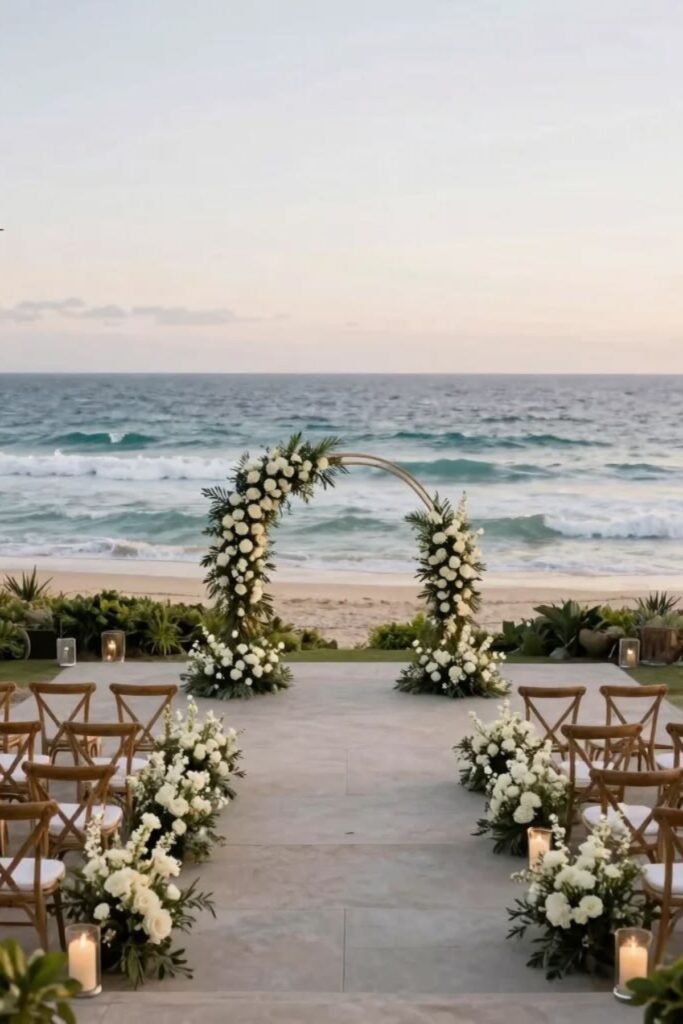
The first warning sign appeared when I compared the venue’s online photographs with what I saw in person.
Pictures were beautiful, and honestly, they had done their job extremely well. The room looked enormous, bright, elegant, and almost impossibly polished.
Then I walked inside and realized something important.
The photographs had been taken from carefully chosen angles that made the room appear larger. Several awkward corners were completely missing from the pictures.
This taught me one of the most important lessons about finding a wedding venue. Never fall completely in love with a venue before seeing it yourself.
Online galleries are useful for creating a shortlist, but they should never replace an actual visit.
If visiting personally is impossible, request a live video tour. Ask the venue representative to walk through the entire property without skipping areas.
Look at the entrance, bathrooms, parking area, kitchen, ceremony space, reception room, and outdoor areas.
Ask to see the venue during the same season as your wedding if possible. Summer sunlight can make a space look completely different from a dark winter afternoon.
The wrong wedding venue often becomes obvious when you stop looking at the prettiest corner.
A good venue should still make sense when you look at the entire property.
Beautiful photographs can start the conversation, but real-life details should finish it.
I Started Imagining The Guest Experience
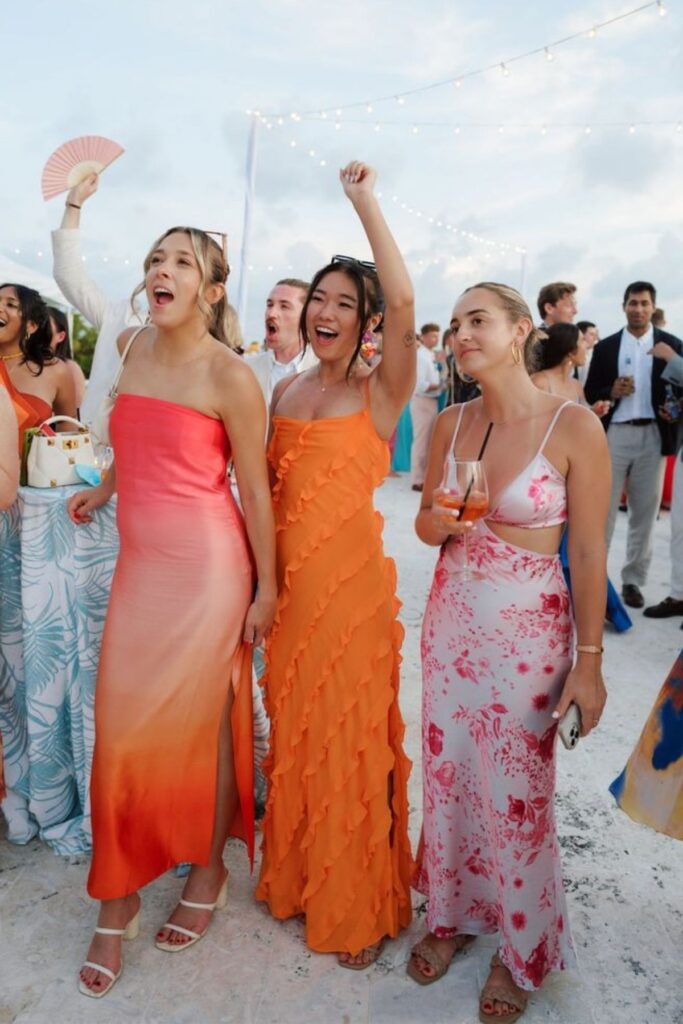
The turning point came when I stopped asking whether I liked the venue and started asking whether my guests would enjoy it.
That small change revealed problems I had completely ignored during my first visit.
I imagined guests arriving in formal clothing and walking from the parking area.
Then I pictured older relatives trying to find the ceremony space and guests waiting for drinks during cocktail hour and lining up for restrooms.
Suddenly, the venue felt different.
A wedding is not just a pretty backdrop for photographs. Guests spend several hours moving through the space, eating, talking, dancing, and waiting.
Their experience should influence your decision just as much as the appearance of the room.
Think about accessibility before signing anything. Ask about ramps, elevators, stairs, seating, and restroom locations.
If the venue is outdoors, consider weather conditions and walking distances. A beautiful garden can become uncomfortable if guests must walk across uneven ground in formal shoes.
Temperature matters too. A room that feels pleasant during your afternoon tour might become extremely warm when packed with dancing guests.
Ask about air conditioning, heating, fans, windows, and backup options.
You should also consider children if they will attend your wedding. Parents appreciate spaces where children can move safely without disrupting the celebration.
The wrong wedding venue can look perfect while creating small frustrations throughout the day.
Those frustrations may seem minor individually, but they can add up quickly.
When you picture your guests first, the right questions become much easier to identify.
I Checked The Layout Instead Of Just The Decor
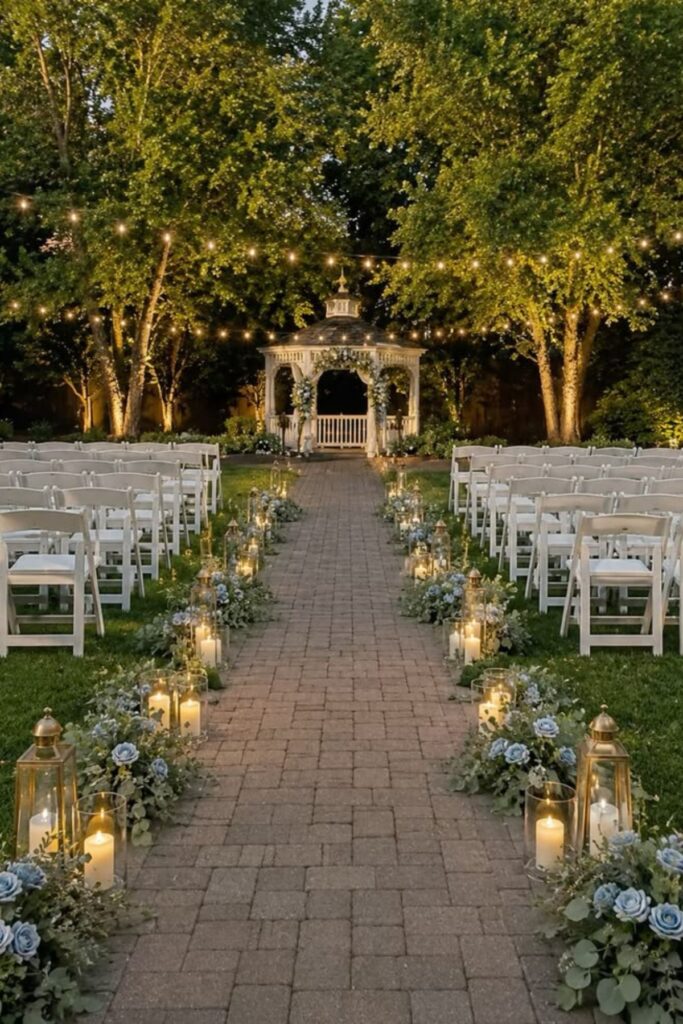
The decorations initially distracted me from the actual structure of the venue.
Beautiful tables, flowers, candles, and chairs made the room look impressive. However, those things could change completely depending on my wedding design.
The permanent layout mattered far more.
I started asking where the dance floor would go, where the DJ would set up, and where guests would sit.
Also, I considered where the cake table, bar, buffet, sweetheart table, and photo booth might fit.
Then I noticed how quickly the available space disappeared.
A room can have plenty of square footage while still feeling cramped after furniture and entertainment arrive.
This is why you should ask the venue for a floor plan before booking. If possible, request dimensions for the ceremony and reception spaces.
You can then discuss your expected guest count with the venue coordinator.
Ask where tables can be placed and how many people each configuration accommodates.
You should also ask about dance floor size because this can dramatically affect the remaining seating area.
The wrong wedding venue may technically accommodate your guest count while leaving very little room for guests to move.
That can make dinner service, dancing, and photography feel crowded.
Think about movement throughout the entire event rather than focusing on one room.
Your guests should move naturally from ceremony to cocktails and then into dinner.
If those transitions require complicated routes, ask whether another arrangement would work better.
A beautiful room with a smart layout will usually serve you better than a gorgeous room that becomes awkward once the wedding begins.
I Asked About Every Fee Before Signing

The price on the venue brochure looked reasonable, which made me feel comfortable at first.
Then I started asking questions about what the price actually included. That conversation changed everything.
Some venues include tables, chairs, linens, setup, cleanup, and basic staffing. Others charge separately for several of those services.
You may also encounter fees for outside catering, outside vendors, security, parking, cake cutting, corkage, overtime, or additional setup hours.
None of these charges necessarily make a venue bad. The problem comes when you discover them after building your budget around the advertised price.
Ask for a complete written breakdown before signing.
Request information about deposits, cancellation policies, payment schedules, overtime rates, service charges, and taxes.
You should also ask whether the venue requires specific vendors.
Some locations have preferred vendor lists, while others require couples to use particular caterers or rental companies.
Those rules can significantly affect your total wedding spending.
The wrong wedding venue can become expensive because of restrictions that were invisible during the initial tour.
Ask how early vendors can arrive for setup. A short setup window may require additional labor or rental costs.
Also ask when the event must end.
An affordable venue can become surprisingly expensive if your reception requires several hours of overtime.
Read the contract slowly and ask questions about anything you do not understand.
You do not need to feel embarrassed about asking for clarification.
A venue representative should expect couples to have questions before committing thousands of dollars.
Knowing the complete cost can save you from a beautiful mistake that your bank account will remember long after the wedding.
I Compared The Venue With My Actual Wedding Vision
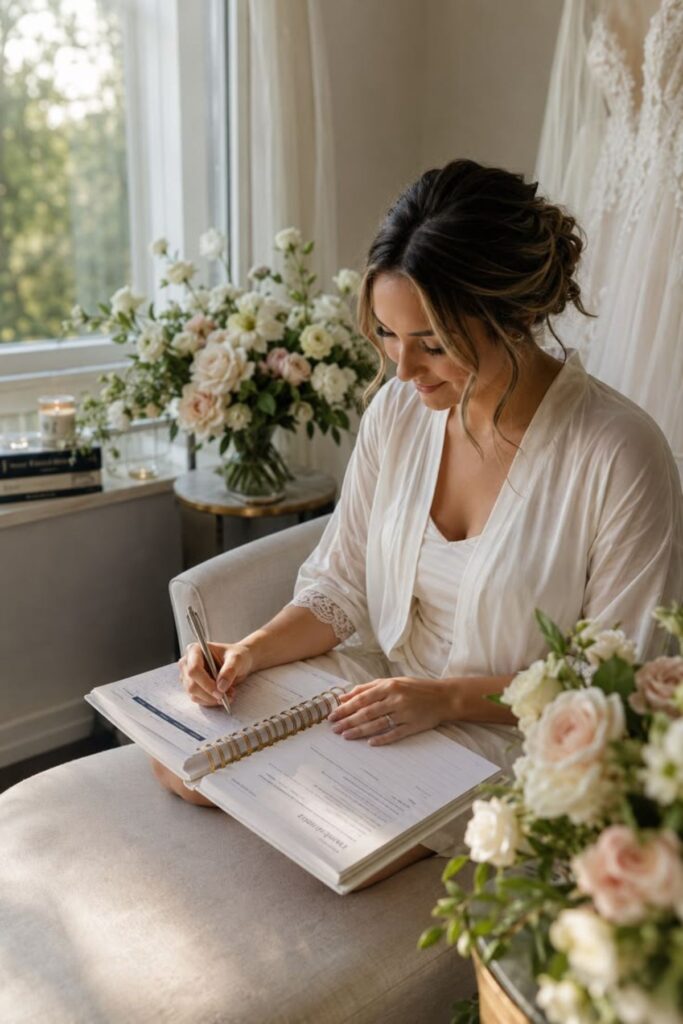
The final question I asked was surprisingly simple: “Does this venue actually suit the wedding I want?”
That question helped me separate excitement from practicality.
I had originally fallen for the venue because it looked luxurious. However, my actual wedding vision involved an intimate dinner, lots of candlelight, live music, and plenty of room for dancing.
The venue could accommodate those ideas, but only after several compromises.
The dance floor would need to be smaller than I wanted. The candlelight setup had restrictions, and the dinner layout would leave limited space for guests.
Suddenly, I was trying to force my wedding vision into a space that did not naturally support it.
That was my biggest warning sign.
Before booking a venue, write down the experiences that matter most to you.
Maybe you want a dramatic ceremony backdrop. Perhaps you care about outdoor cocktails or a large dance floor.
You might want long dinner tables, a band, a late-night reception, or beautiful sunset photographs.
Then compare those priorities against every venue you visit.
The wrong wedding venue often becomes obvious when your favorite wedding ideas require constant compromise.
A venue does not have to support every idea you have ever saved on Pinterest. However, your most important priorities should fit comfortably.
If you love dancing, protect your dance floor. If dinner matters most, make sure the dining setup works.
Your venue should support your vision instead of forcing your vision to shrink.
I Paid Attention To The Lighting At Different Times
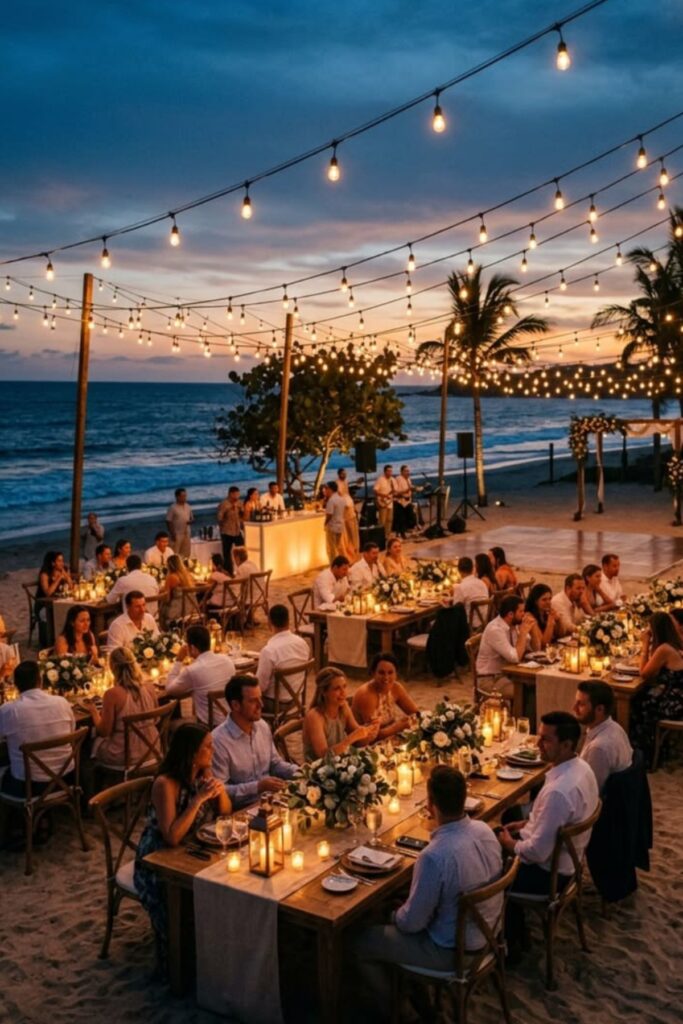
The venue looked beautiful during my first afternoon visit, but I quickly realized that one visit could never tell me everything about the space.
Lighting changes dramatically throughout the day, and those changes can affect the atmosphere, guest comfort, and photographs.
A room filled with natural sunlight can look bright and spacious at two o’clock, while the same room may feel completely different after sunset.
I started asking what the venue looked like during evening events, and the coordinator showed me photographs from nighttime weddings that gave me a much clearer picture.
Then I also asked where the windows faced and when direct sunlight entered the room because strong sunlight can affect the ceremony, guest comfort, and photographs.
If your wedding begins during the afternoon, ask whether guests will face direct sunlight during the ceremony or whether the setting sun could make photographs difficult.
You should also consider how the reception will look once natural light disappears, especially if your celebration continues well into the evening.
Ask about existing fixtures, dimmer controls, chandeliers, outdoor lighting, and restrictions on candles because those details can affect your design plans.
The wrong wedding venue can become disappointing after sunset if you have only seen it during daylight.
For that reason, visit at approximately the same time as your planned ceremony whenever possible, and stand where you and your guests will actually sit.
Small details like these can change how the entire wedding feels, so your venue should work during the hours you plan to use it rather than only during its prettiest afternoon moment.
I Checked The Sound Before Falling In Love Again

I almost ignored the sound because the venue looked so beautiful, but I remembered that weddings involve speeches, music, conversations, announcements, and plenty of laughter.
A room can look spectacular while having acoustics that make important moments difficult to hear.
Large spaces with high ceilings can sometimes create echoes that make speeches difficult to understand, while hard surfaces can cause sound to bounce around the room.
Those problems may remain invisible during a quiet afternoon tour, yet they can become obvious once a band, DJ, and several hundred voices fill the space.
I asked whether the venue had hosted weddings similar to mine, and then I asked how sound was handled during speeches and music.
Some venues already have sound equipment, while others require couples to hire outside professionals, so understanding the arrangement early can prevent unpleasant surprises.
Ask about microphone options, speaker placement, power requirements, and noise restrictions because each detail can affect your reception.
You should also ask about the venue’s closing time for amplified music, especially if dancing is one of your biggest priorities.
A reception that must end early can change the entire energy of your evening, while strict outdoor noise rules can limit how you use beautiful garden or patio spaces.
If possible, attend another event at the venue before booking, because hearing speeches and conversations inside the actual space can reveal problems that photographs cannot show.
I Looked Closely At The Restrooms
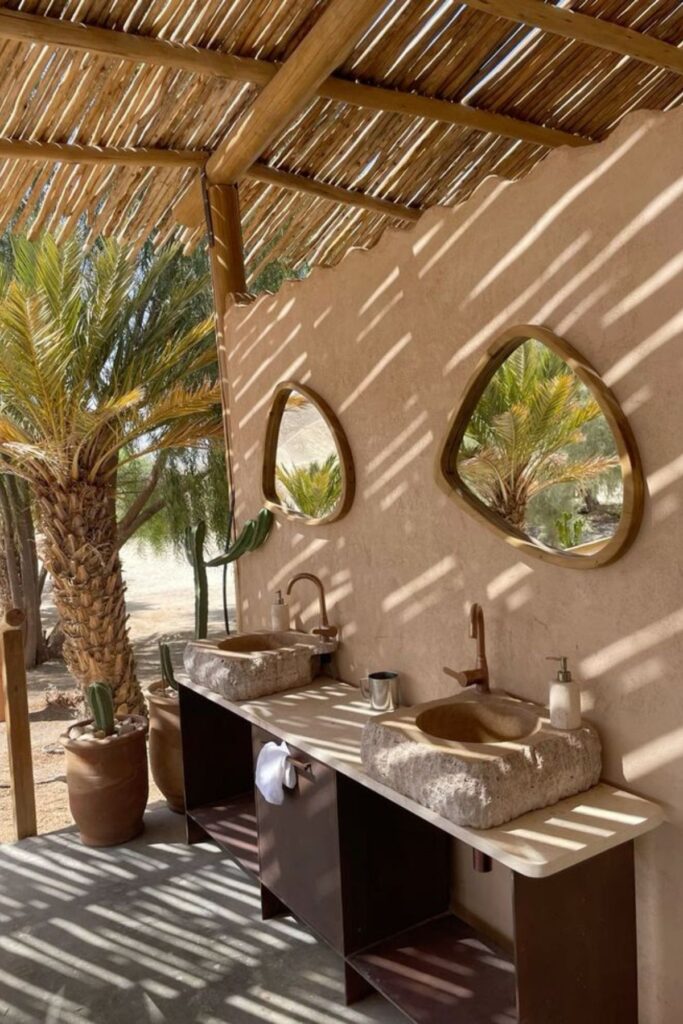
Restrooms were probably the last thing I wanted to inspect during a romantic venue tour, but they quickly became one of the most practical details I checked.
Guests will use the restrooms throughout your wedding, so their location, condition, accessibility, and capacity deserve attention.
Ask how many restrooms are available and where they are located, while also considering how far guests must walk from the reception area.
You should pay particular attention to accessibility because older relatives and guests with mobility limitations may need convenient facilities.
A restroom can look perfectly clean during a quiet venue tour, yet the situation may become different during a large event when hundreds of guests are using the facilities.
Ask who handles restroom maintenance during the wedding and whether staff remain available throughout the celebration.
You should also check whether the venue provides essentials such as toilet paper, paper towels, soap, and other supplies, because those small details can become surprisingly noticeable when something runs out.
For outdoor weddings, restroom arrangements deserve even more attention because portable facilities need appropriate placement, easy access, and suitable power arrangements.
A high-quality restroom trailer can provide a comfortable experience, but it still needs to be positioned somewhere convenient.
The wrong wedding venue can create an uncomfortable guest experience through details nobody thinks about during the first tour.
That does not mean every venue needs luxurious bathrooms, because clean, accessible, and convenient facilities can be perfectly adequate.
The important part is understanding what your guests will experience during several hours of eating, dancing, talking, and celebrating.
I Asked About Weather And Backup Plans
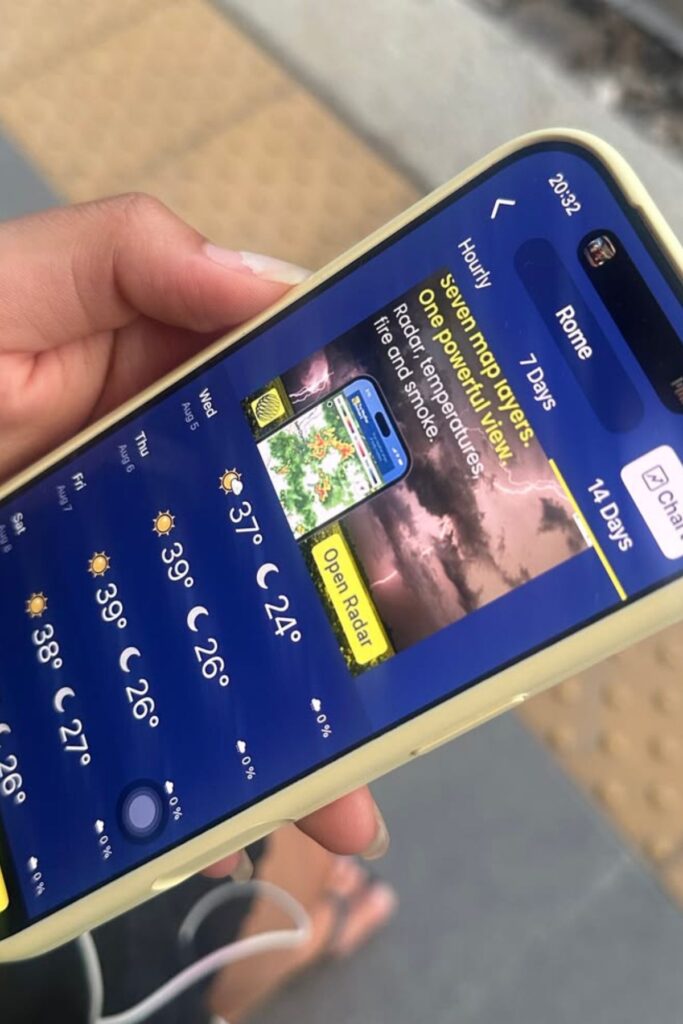
Weather became another major factor once I started thinking practically, because a venue with a beautiful outdoor ceremony area can become difficult if rain suddenly changes the day’s plans.
I asked whether the venue had an indoor backup space and how quickly the team could move the ceremony if necessary.
Also, I asked whether guests could remain comfortable if temperatures became unusually hot or cold, because weather affects far more than the ceremony itself.
A backup plan should be more than a sentence in the contract, so you need to understand exactly what happens when conditions change.
Ask who makes the final decision about moving the event, how much notice vendors receive, and whether additional fees apply.
You should also confirm whether the backup space can accommodate your full guest count, because a smaller indoor room may look reasonable until you realize that tables, chairs, entertainment, and guests all need to fit inside.
The wrong wedding venue can become a serious problem when the backup plan is simply, “We will figure it out,” because that statement does not explain who acts or what resources are available.
Outdoor venues can be wonderful, but they require planning for wind, rain, heat, cold, humidity, and strong sunlight.
Your guests may look beautiful in formal clothing, yet nobody wants to spend two hours sweating through a jacket or shivering through dinner.
Ask about fans, heaters, tents, umbrellas, covered walkways, and indoor spaces, while also checking whether rain could affect parking or transportation.
A reliable venue team should explain its weather procedures clearly, because knowing those procedures gave me much more confidence in my final decision.
I Read Reviews With A Critical Eye

Online reviews became another useful tool once I understood which questions needed answers, because I stopped reading reviews only for comments about pretty decorations.
Instead, I looked for patterns involving communication, staffing, cleanliness, food service, setup, parking, and unexpected charges.
Those practical details often tell you much more about a venue than a gallery filled with beautiful reception photographs.
One negative review does not automatically mean a venue is terrible, because individual experiences can vary and expectations can differ from one couple to another.
However, repeated complaints about the same issue deserve careful attention.
If several couples mention difficult communication, ask the venue about its planning process and response times.
If multiple reviews mention surprise fees, request a detailed cost breakdown before signing anything.
If guests repeatedly complain about parking, investigate the parking situation yourself rather than assuming the problem will disappear on your wedding day.
The wrong wedding venue can sometimes reveal itself through patterns that photographs never show, especially when previous couples describe the same problem repeatedly.
You should also pay attention to recent reviews because management, policies, staff, and facilities can change over time.
Look across several review platforms instead of relying entirely on one website, since different platforms may reveal different aspects of the guest experience.
You can also ask the venue for references from recent couples if appropriate, because hearing directly from someone who recently planned an event there can provide useful context.
The goal is not to find a venue with zero complaints, because that standard would probably leave you searching forever.