

Things Guests Secretly Wish Couples Would Tell Them Earlier
Disclosure: Some of the links in this post are affiliate links. This means if you click on the link and purchase an item, I will receive an affiliate commission at no extra cost to you.
Getting a wedding invitation should feel exciting, but it can also leave guests quietly wondering about the details nobody thought to mention. People often want to arrive prepared, comfortable, and appropriately dressed, yet they may hesitate to ask questions.
They understand that couples have plenty on their plates, so they usually keep those little uncertainties to themselves. Still, those unanswered questions can become surprisingly important as the wedding date gets closer and plans become real.
A guest might spend weeks making arrangements while quietly hoping they have understood everything correctly. Another might discover an important detail only after booking a hotel, buying an outfit, or making travel plans. Nobody wants to bother the couple, especially when the celebration is already surrounded by a mountain of decisions.
That is why things guests secretly wish couples would tell them earlier can make such a difference.
Things Guests Secretly Wish Couples Would Tell Them Earlier
Tell Guests Exactly What To Wear

Wedding dress codes can sound straightforward until guests actually start shopping for their outfits.
Words like formal, cocktail, semi-formal, and dressy casual can mean very different things to different people.
One guest may interpret cocktail attire as a dress and heels, while another chooses a polished jumpsuit.
Nobody wants to walk into the reception wondering if they accidentally misunderstood the assignment.
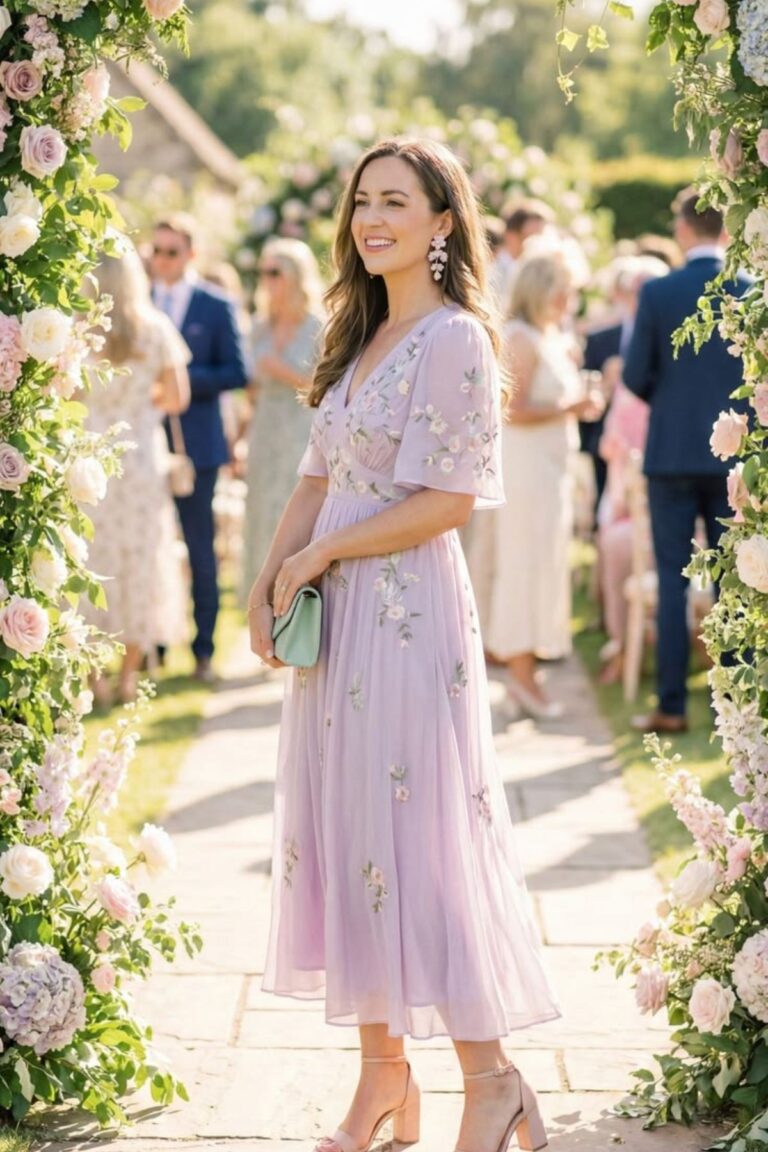
Couples can make things easier by giving guests specific examples alongside the dress code. For instance, mentioning suits, midi dresses, dress shoes, or elegant jumpsuits creates a clearer picture.
This becomes especially helpful when the wedding takes place somewhere unusual, such as a beach or vineyard.
Clear clothing guidance lets guests focus on celebrating instead of worrying about looking completely out of place.
Tell Guests If The Wedding Is Outdoors
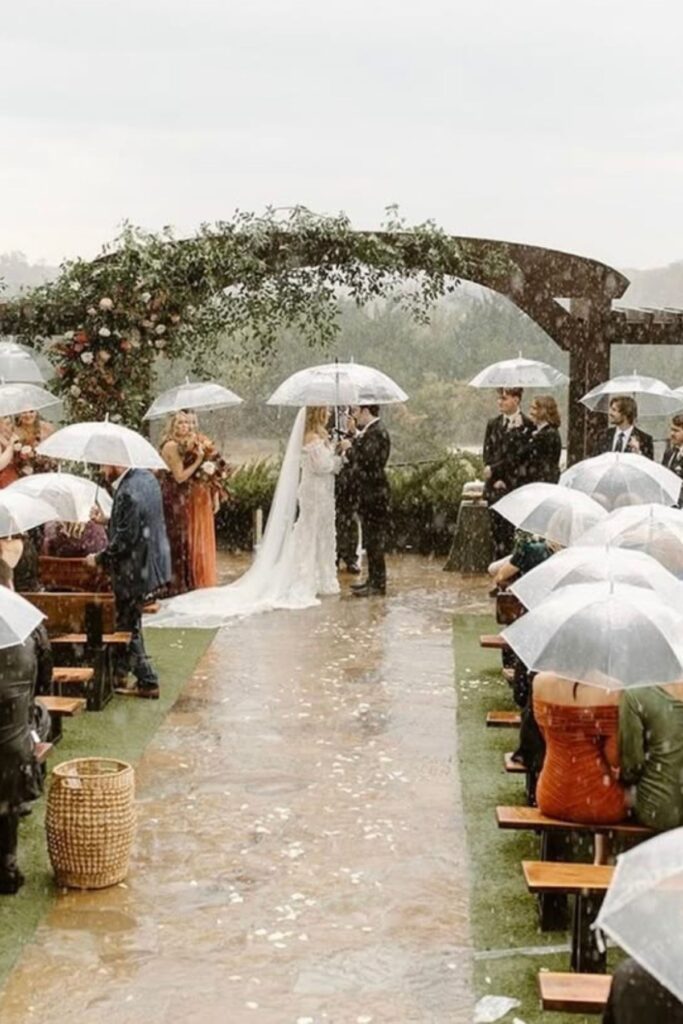
An outdoor wedding can sound dreamy until guests realize they are spending five hours outside.
Sunshine, humidity, wind, grass, sand, and unexpected temperature changes can affect clothing choices considerably.
Someone wearing beautiful stilettos may feel very differently after walking across a grassy lawn.
Another guest may appreciate knowing about the weather before choosing a long-sleeved velvet outfit.
If the ceremony and reception happen outdoors, mention that information clearly on your wedding website.
Guests can then choose shoes, fabrics, accessories, and layers that make sense for the setting.
They may also bring sunscreen, sunglasses, umbrellas, wraps, or comfortable shoes without feeling unnecessarily overprepared.
Those little preparations can make the difference between enjoying the celebration and quietly suffering through it.
Tell Guests How Much Walking To Expect

Guests often underestimate how much walking can happen during a wedding celebration. A venue might have separate areas for parking, the ceremony, cocktail hour, dinner, and dancing.
That distance may feel insignificant to a couple who knows the property, but guests experience it differently.
Older relatives and guests with mobility limitations especially benefit from receiving accurate information beforehand.
If guests need to walk between different locations, explain that clearly before the wedding. You can also mention available shuttles, golf carts, elevators, or other transportation options.
This information allows everyone to choose appropriate footwear and plan their arrival without unnecessary stress.
It also helps guests who need additional accessibility support communicate their needs before the wedding day.
Tell Guests Where To Park

Parking is one of those details couples often assume guests will figure out somehow. Unfortunately, unfamiliar venues can turn finding a parking space into an unexpected pre-ceremony adventure.
Guests may encounter private lots, parking fees, restricted areas, or streets where overnight parking is prohibited.
Nobody wants to arrive twenty minutes late because they spent the entire time circling the neighborhood.
Give guests the exact parking location whenever possible, especially when it differs from the venue address. Mention parking fees and explain if attendants, permits, or designated lots are involved.
If parking is limited, provide information about shuttles or nearby alternatives before the wedding.
Those few lines can save guests considerable frustration and help everyone arrive before the ceremony begins.
Tell Guests If Transportation Is Provided

Transportation information becomes especially important when guests are traveling from other cities.
A shuttle can make the wedding much easier, particularly when parking is limited or alcohol will be served.
However, guests need to know where transportation begins and when they should arrive. Simply mentioning that transportation exists without providing instructions can create another round of unanswered questions.
Share the pickup location, departure times, and return arrangements through your wedding website.
If several hotels are included, explain which properties receive transportation and at what times.
Guests can then plan their evening without worrying about missing the last ride home. Good transportation information also lets everyone relax instead of repeatedly checking their phones during the reception.
Tell Guests If Children Are Invited
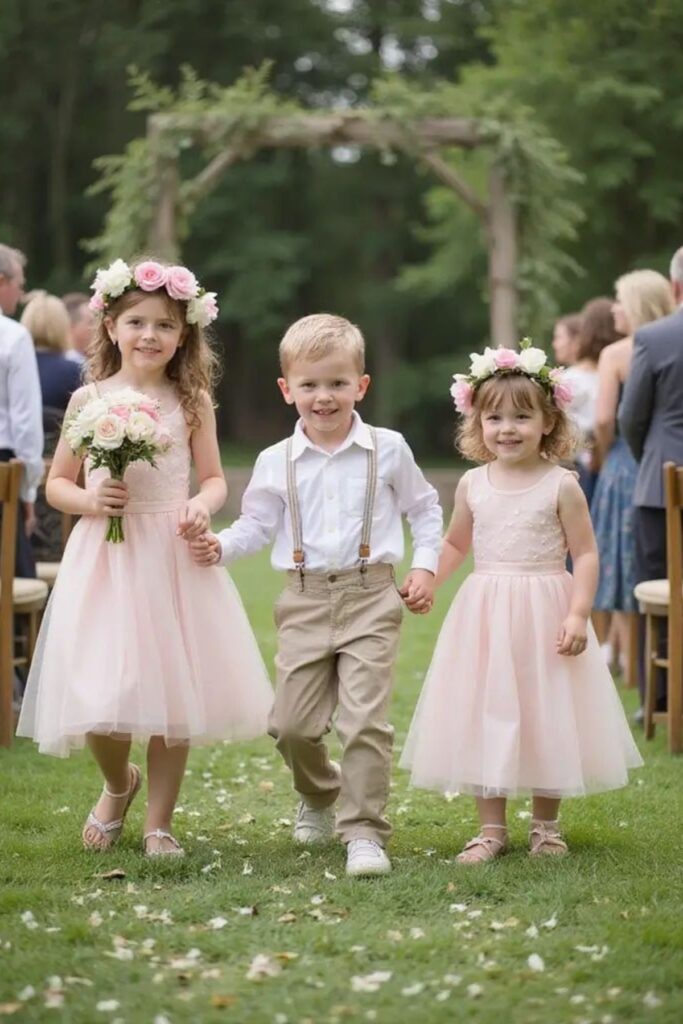
Parents need advance notice when children are not included on the guest list.
Finding childcare can take planning, especially when grandparents, babysitters, and other family members have busy schedules.
A vague invitation can leave parents wondering if bringing their children would be acceptable. Most people would rather know clearly than discover the answer after making travel arrangements.
Couples should communicate their child policy consistently across invitations and wedding websites.
If the celebration is adults only, the wording can remain polite without sounding apologetic.
If only certain children are invited, addressing invitations carefully can prevent confusion among different families.
Clear communication gives parents enough time to make arrangements without putting them in an uncomfortable position.
Tell Guests Who Is Actually Invited

Guests should never need detective skills to determine who is included in their invitation. Questions about plus-ones, children, dates, and household invitations can become awkward surprisingly quickly.
Someone may assume their partner is invited, while the couple intended the invitation for one person.
That misunderstanding can create unnecessary tension when accommodation and travel plans are already underway.
The invitation should make the guest count as clear as possible. If a plus-one is included, address the invitation accordingly or provide specific wording about bringing a guest.
If someone is invited alone, the same clarity helps them understand expectations without needing to ask.
These details may feel obvious from the couple’s perspective, but guests cannot see the guest list.
Tell Guests About The Wedding Schedule
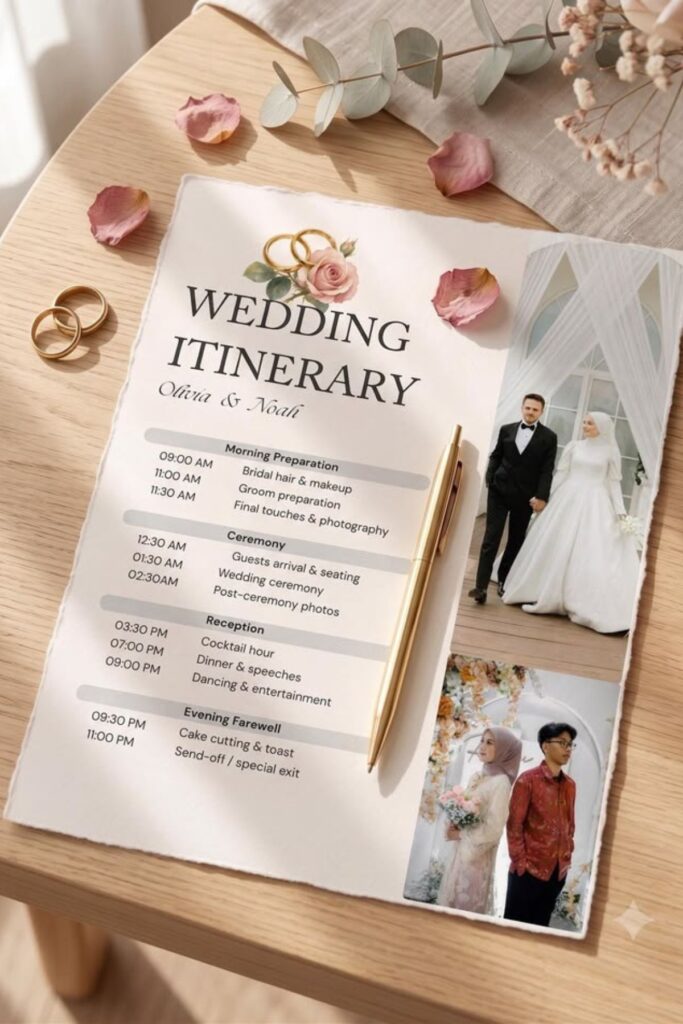
A wedding day can involve several events that guests may not understand from the invitation alone.
There could be a welcome dinner, ceremony, cocktail hour, reception, after-party, and farewell brunch.
Guests need to know which events they are expected to attend and which ones are optional. This becomes particularly important when people are traveling several hours or flying into town.
A simple wedding weekend schedule can remove most of that uncertainty. Place the timeline on your wedding website and update it if significant changes happen.
You do not need to provide every minute of the day because guests mainly need the important milestones.
Knowing the general schedule makes packing, transportation, meals, and personal plans much easier.
Tell Guests If There Is A Long Gap

Some weddings have several hours between the ceremony and reception, and guests deserve advance notice.
A long gap can be perfectly reasonable, especially when couples need time for photographs or venue transitions.
The problem happens when guests discover the gap without knowing where they should spend it.
They may suddenly find themselves dressed formally with nowhere to sit and several hours to fill.
Tell guests how long the gap will last and provide useful suggestions when appropriate. You could mention nearby restaurants, hotel lounges, transportation options, or planned activities.
If guests can remain at the venue, explain that clearly so they can plan accordingly. A little information can turn an awkward waiting period into comfortable downtime.
Tell Guests About Food Arrangements
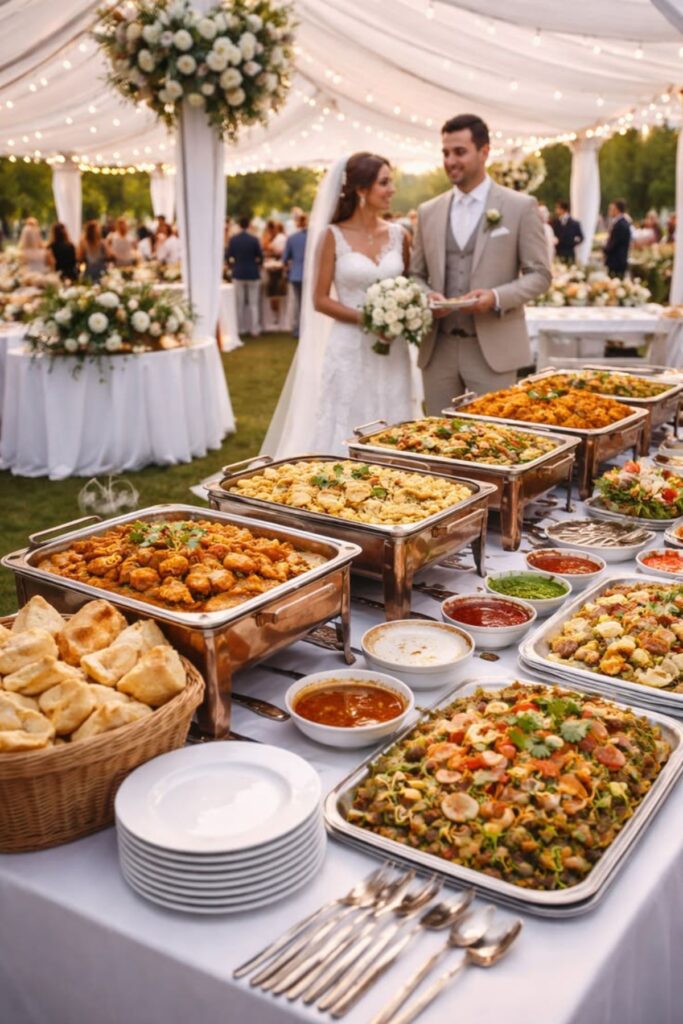
Guests often want to know if they should expect a full meal, appetizers, dinner stations, or something lighter.
This becomes particularly important when the wedding begins several hours before the expected dinner time.
Guests may have dietary requirements, medication schedules, or simple hunger that makes meal information useful. Nobody wants to discover that dinner begins at ten after arriving hungry at five.
You do not need to reveal the complete menu months in advance. Simply explain the general meal arrangement and provide dietary instructions through the RSVP process.
Guests can then plan accordingly while your catering team receives the information they actually need. That small detail can make the reception much more comfortable for everyone.
Tell Guests How To Handle Dietary Restrictions

Food allergies and dietary restrictions deserve clear instructions because guests should not have to improvise.
A vegetarian guest may manage easily at some weddings, while someone with a serious allergy needs more certainty.
Guests should know where to provide those details and when the information must be submitted. That gives the catering team enough time to prepare appropriate meals.
Add a dietary question to your RSVP form so guests have an obvious place to respond. You can also mention that the caterer will receive those requests before the wedding.
This reassures guests that their responses will actually reach someone responsible for the meal. It also prevents a last-minute conversation with a busy server during the reception.
Tell Guests About The Registry

Many guests genuinely want to give something meaningful, but they may have no idea what you need.
A registry can make gift shopping easier because guests can choose something you already selected.
Others may prefer contributing toward a honeymoon, home project, or another specific goal. Giving guests that information early allows them to choose something thoughtfully rather than guessing.
Keep registry information on your wedding website instead of crowding the formal invitation. You can provide several options if you have different preferences for gifts.
Guests can then choose something within their budget while still respecting your wishes. Clear information also prevents guests from repeatedly asking relatives what the couple might want.
Tell Guests About Hotel Options

Guests traveling from outside town need accommodation information as early as possible. Popular wedding weekends can fill local hotels quickly, especially when another major event happens nearby.
Providing recommended hotels gives guests a useful starting point without requiring you to organize everyone’s travel.
Hotel information becomes even more valuable when transportation will operate from specific properties.
If you have reserved room blocks, include the booking instructions and deadline. You can also provide a few alternatives at different price points for guests with different budgets.
Remember that your guests may already be paying for flights, clothing, meals, and transportation.
Giving them several accommodation choices can make attending your wedding considerably easier.
Tell Guests About Cultural Or Religious Expectations
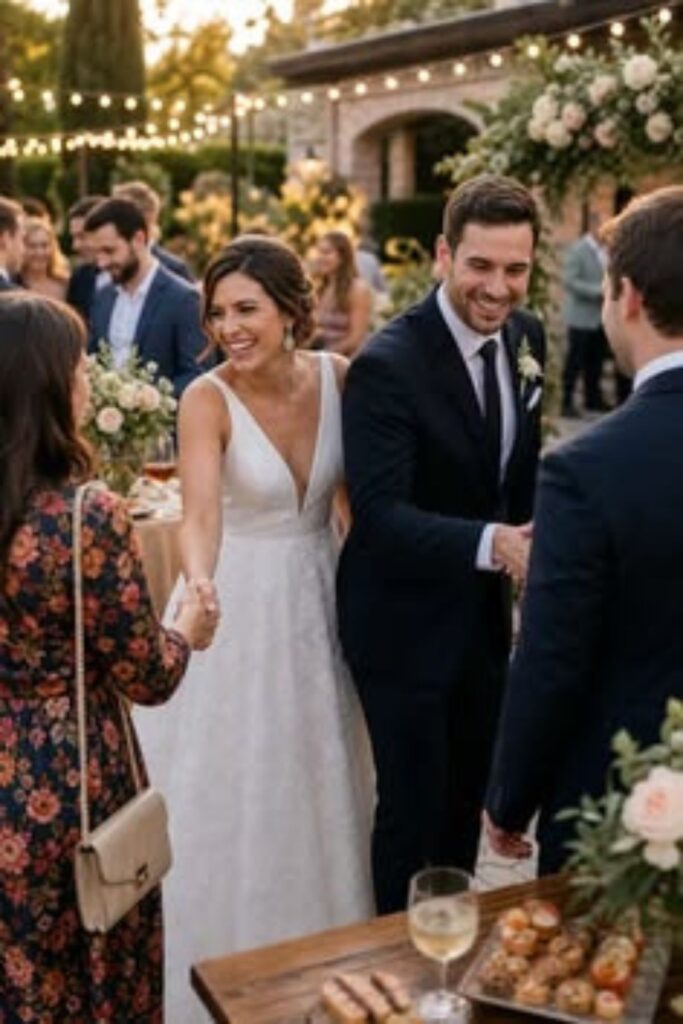
Some weddings include cultural or religious traditions that may be unfamiliar to certain guests.
People generally want to participate respectfully, but they may feel nervous about accidentally breaking an important custom.
Simple explanations can help guests understand clothing requirements, ceremony etiquette, photography restrictions, or traditional activities.
Nobody expects guests to arrive knowing customs they have never encountered before.
Your wedding website can provide a short explanation of anything guests should know beforehand.
You can also mention appropriate clothing if shoulders, knees, or heads need to remain covered.
Guests will usually appreciate the information because it gives them confidence before they arrive. A little context can make unfamiliar traditions feel welcoming rather than intimidating.
Tell Guests If Phones And Cameras Are Restricted
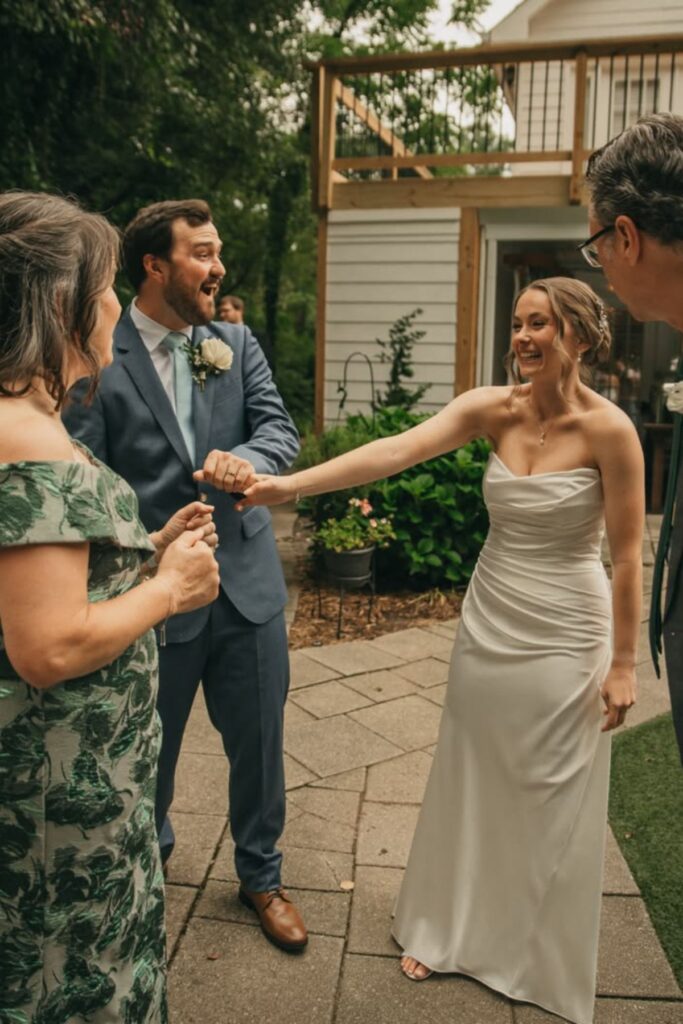
Guests have different assumptions about phones, photography, and social media during weddings.
Some couples welcome guest photographs, while others want everyone to remain completely unplugged during the ceremony.
Without clear guidance, guests may make assumptions based on what happened at another wedding.
That can leave the couple frustrated while guests wonder what they did wrong.
If you want an unplugged ceremony, communicate that request before the wedding begins. You can also ask the officiant to make a warm reminder before the processional starts.
If guests are welcome to share photographs, consider providing a wedding hashtag or preferred social account.
Clear expectations allow everyone to participate without worrying about accidentally crossing a line.
Tell Guests Who To Contact With Questions
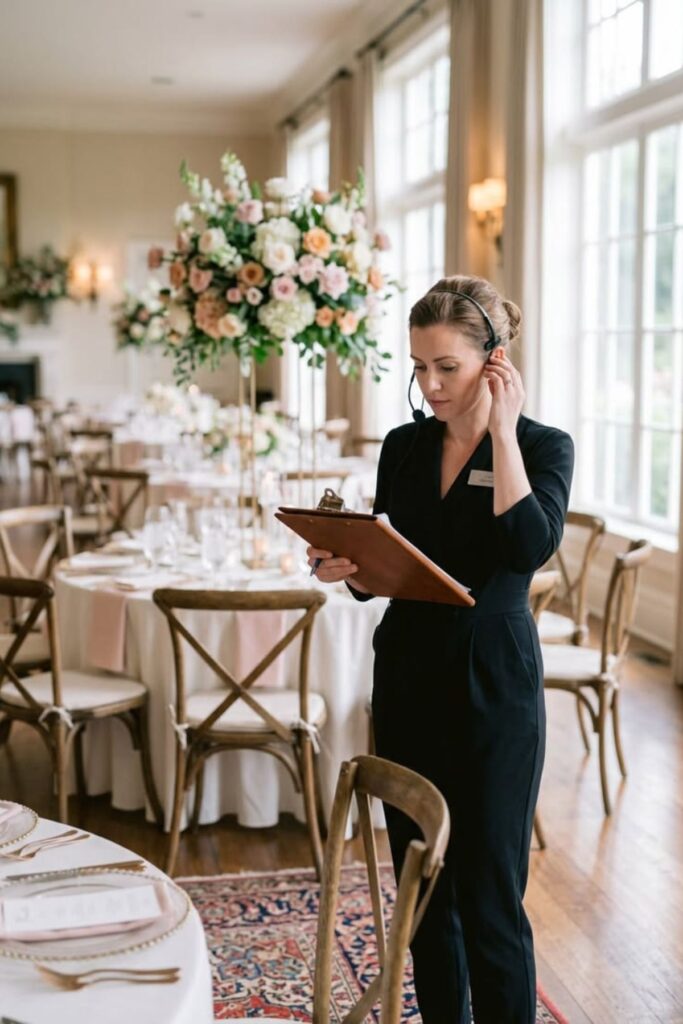
This might be the most helpful detail you can provide because couples should not become their own customer service department.
Guests will inevitably have questions about parking, hotels, schedules, transportation, clothing, and other practical details.
Those questions become especially inconvenient during the final days before the ceremony. You should be getting ready for your wedding rather than answering messages about parking spaces.
Choose a trusted person who can handle practical guest questions during the final week. That person might be your planner, coordinator, maid of honor, best man, or another organized relative.
Give them the information they need so they can answer questions confidently. Then provide their contact details to guests who may need help before or during the celebration.
What Guests Usually Need Most
Practical Information Beats Perfectly Designed Invitations

A beautiful invitation can create excitement, but guests still need practical information afterward.
Elegant stationery cannot tell someone where to park, what shoes to wear, or where to catch the shuttle.
Those details may be less glamorous, but they can dramatically improve the guest experience. Your wedding website is an excellent place to provide information that cannot fit comfortably on paper.
Think of the website as the practical companion to your invitation. Keep important information easy to find rather than hiding everything inside long paragraphs.
Guests should be able to locate transportation, accommodation, dress code, and schedules quickly.
When information is easy to find, guests are less likely to contact you unnecessarily.
Give Guests Information Before They Need It

Timing matters because some wedding decisions become expensive once the deadline gets close.
Flights become pricier, hotels fill up, childcare becomes harder to arrange, and formal clothing takes time.
Guests cannot make good plans if important details arrive only a few days beforehand. Early communication gives everyone a better chance of finding reasonable options.
You do not need every wedding detail finalized before sharing useful information. Start with the details that affect travel, accommodation, clothing, and attendance decisions.
You can update smaller details later as plans become more certain. The goal is giving guests enough information to make sensible arrangements without overwhelming them.
Final Thoughts
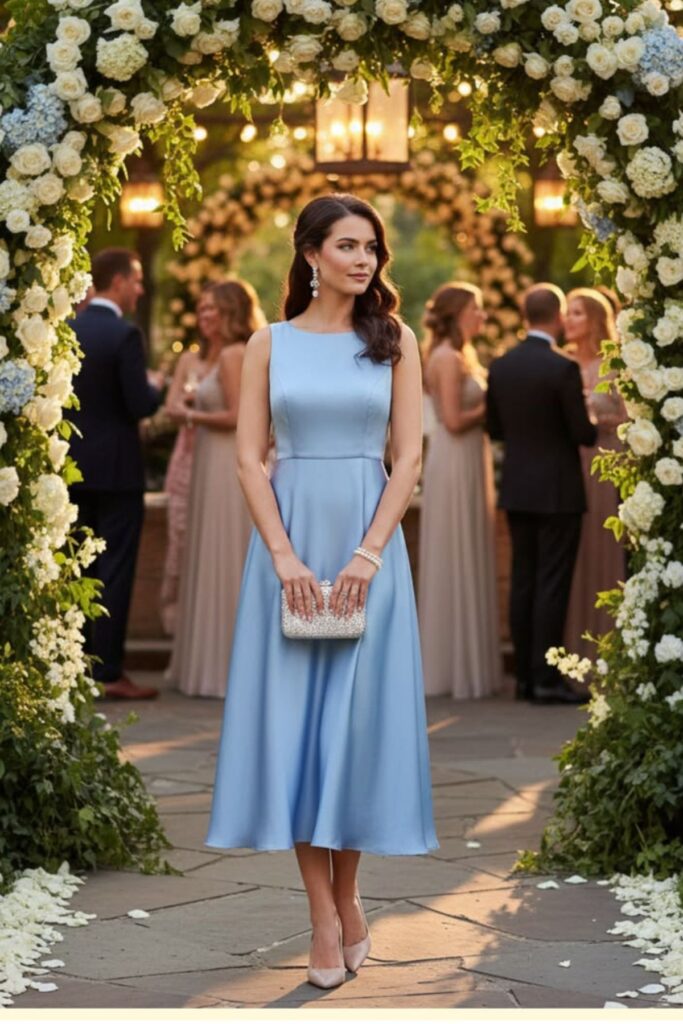
Your wedding guests are usually doing much more behind the scenes than couples realize, especially when travel, childcare, clothing, and accommodation are involved.
They may stay quiet because they know you already have plenty to organize, even when they have several practical questions.
That silence does not always mean everything is perfectly clear, because some guests simply do not want to add another task to your list.
The things guests secretly wish couples would tell them earlier are often small details that can make attending your wedding much easier.
Think about the information you would want if you were traveling to someone else’s wedding.
You would probably want clear directions, sensible clothing guidance, transportation information, and enough time to make arrangements.
Your guests are likely thinking about many of those same things while preparing to celebrate with you.
A little thoughtful communication can help them arrive relaxed, prepared, and genuinely ready to enjoy your special day.



2 Comments