

10 Mistakes Couples Make When Planning Their Honeymoon
Disclosure: Some of the links in this post are affiliate links. This means if you click on the link and purchase an item, I will receive an affiliate commission at no extra cost to you.
Planning a honeymoon should feel exciting, but the mistakes couples make when planning their honeymoon can quickly turn excitement into unnecessary stress. After months of wedding planning, you may want to book everything quickly and finally breathe, but rushing can create expensive problems later.
Your honeymoon deserves thoughtful planning because it can become one of your first major adventures as newlyweds. The goal is not creating a flawless vacation, but choosing experiences that fit your personalities, budget, and energy levels.
Before you start packing those matching sunglasses, let us look at the 10 mistakes couples make when planning their honeymoon.
10 Mistakes Couples Make When Planning Their Honeymoon
1. Booking The Trip Too Quickly

After months of wedding planning, it is tempting to book the first honeymoon package that looks beautiful.
A gorgeous hotel photo, glowing review, and attractive price can make clicking the reservation button feel like the easiest decision you have made all year.
The problem is that an exciting deal can hide details that matter once you arrive. Y
ou might discover that the hotel sits far from everything you wanted to see, the room faces a noisy area, or transportation costs much more than expected.
Before booking, give yourself enough time to compare several options. Look at hotel locations, flight schedules, transfer arrangements, cancellation policies, meal plans, and guest reviews.
You should also check what the room rate actually includes because the cheapest option may become expensive after additional fees appear.
A little research can save you from spending your honeymoon wondering why you did not read the fine print.
Your partner should also be part of the decision because you may have completely different expectations.
One person might picture a quiet beach with a book, while the other imagines hiking, sightseeing, and trying every restaurant nearby.
Neither preference is wrong, but ignoring those differences can create disappointment.
Talk about the kind of trip you both want before opening your wallet. Decide whether relaxation, adventure, food, nightlife, privacy, or sightseeing matters most.
Then choose a destination and hotel that support those priorities.
Among the mistakes couples make when planning their honeymoon, rushing the booking process can create problems that follow you throughout the trip.
2. Forgetting To Set A Realistic Budget
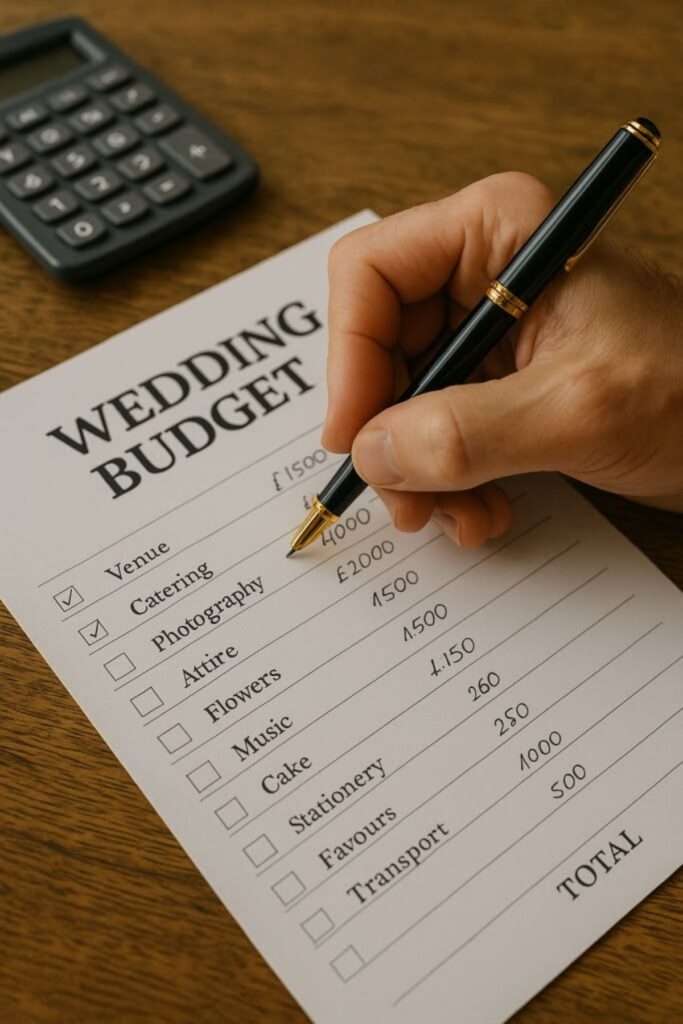
Honeymoon spending can become surprisingly slippery because small expenses rarely look serious individually.
A coffee here, a taxi there, and one spontaneous dinner can slowly turn into hundreds of extra dollars.
Couples often focus on flights and hotels while forgetting about meals, tips, transportation, excursions, shopping, and resort fees.
Start by deciding how much you can comfortably spend before choosing your destination. Then divide the amount into categories that reflect how you expect to travel.
Accommodation might take a large portion, while transportation, meals, activities, and personal spending receive separate amounts.
You should also create an emergency cushion because travel rarely follows a perfect spreadsheet.
A delayed flight might require an unexpected hotel night, while a sudden transportation change could create another expense.
You may never use the extra money, but having it available can make stressful situations much easier.
Talk openly with your partner about spending habits before the trip. One person may happily spend $200 on a special dinner, while the other might prefer putting that money toward an excursion.
These differences can become surprisingly emotional when you are tired and far from home.
Agree on your priorities before traveling so you both understand where spending more feels worthwhile.
You can save on ordinary meals while enjoying one memorable restaurant. You can also choose a comfortable hotel without booking the most expensive room available.
A realistic budget should give you freedom rather than making every purchase feel like a financial crime.
Your honeymoon should include room for enjoyment because constantly checking your bank balance can take some sparkle out of the experience.
This is one of the mistakes couples make when planning their honeymoon because excitement can easily overshadow practical financial planning.
Knowing your limits before booking gives you a much better chance of enjoying the trip without returning home to unnecessary financial stress.
3. Choosing A Destination Without Checking The Weather
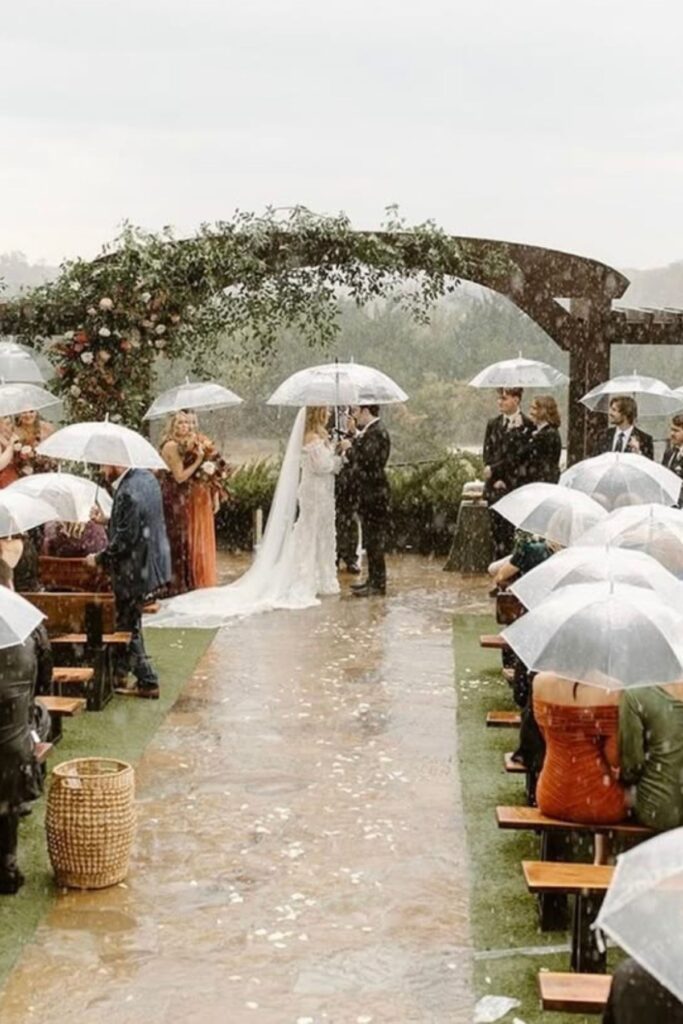
A destination can look absolutely perfect online while having completely different conditions during your travel dates.
Beautiful beach photos can make almost any location seem ideal, but those pictures rarely show the rainy season, extreme heat, hurricane risks, or chilly evenings.
Check the typical weather for your exact travel month before making reservations. Look at average temperatures, rainfall patterns, storms, humidity, and seasonal conditions.
You should also research whether certain attractions operate differently during that period.
Weather matters even more when your honeymoon plans involve outdoor activities. Hiking, snorkeling, boating, sightseeing, and beach days can become difficult when conditions are poor.
You may still have a wonderful trip, but your experience could look very different from what you imagined.
Do not rely on one weather website or a few social media photos. Look at several reliable sources and read recent traveler experiences when possible.
Seasonal conditions can vary, so understanding the broader pattern gives you better expectations.
You should also consider what kind of weather you personally enjoy. Some couples love hot, sunny days, while others become miserable when temperatures climb too high.
If one person loves tropical heat and the other prefers cool mountain air, your destination choice deserves an honest conversation.
Packing also becomes easier when you understand the conditions ahead of time. You can bring suitable shoes, rain gear, lightweight clothing, sweaters, or other essentials without guessing.
Choosing a destination during its busiest weather season can also affect prices and availability.
Popular periods may cost more because many travelers want the same conditions. Checking alternative dates could give you better rates and a more comfortable experience.
Ignoring weather patterns is one of the mistakes couples make when planning their honeymoon because it can affect almost every activity.
4. Packing Too Much

Wedding planning may convince you that every possible outfit deserves a place in your suitcase.
After all, you have probably spent months choosing wedding clothes, reception outfits, rehearsal dinner looks, and accessories. It can feel natural to bring that same energy into your honeymoon packing.
The problem appears when your suitcase refuses to close.
Overpacking can create unnecessary stress during flights, hotel transfers, and sightseeing days.
Heavy luggage may also lead to additional airline charges, especially when you are traveling with multiple bags.
Start by checking the weather and your planned activities before choosing clothes. A beach honeymoon may require swimwear, casual outfits, comfortable shoes, and one or two nicer looks.
A city trip may call for walking shoes, layers, and clothing suitable for restaurants.
Choose pieces that can work together rather than packing completely separate outfits. A simple pair of shoes can often work with several looks, while versatile tops and bottoms can create different combinations.
You should also think carefully about how often you will change hotels.
Moving between several destinations makes heavy luggage much more annoying because every transfer requires packing everything again.
Leave some space for souvenirs because you may discover something beautiful during your travels.
Bringing home a local piece can become a wonderful reminder of the trip, but it becomes less fun when your suitcase is already bursting.
Avoid buying an entirely new wardrobe unless your existing clothes genuinely do not suit the destination. You probably already own more travel-friendly clothing than you realize.
Packing fewer items can also make getting ready easier because you have fewer choices. After a wedding weekend filled with decisions, having fewer clothing options may actually feel refreshing.
Overpacking is one of the mistakes couples make when planning their honeymoon because it seems harmless until you are dragging two oversized suitcases through an airport.
5. Forgetting To Check Travel Requirements
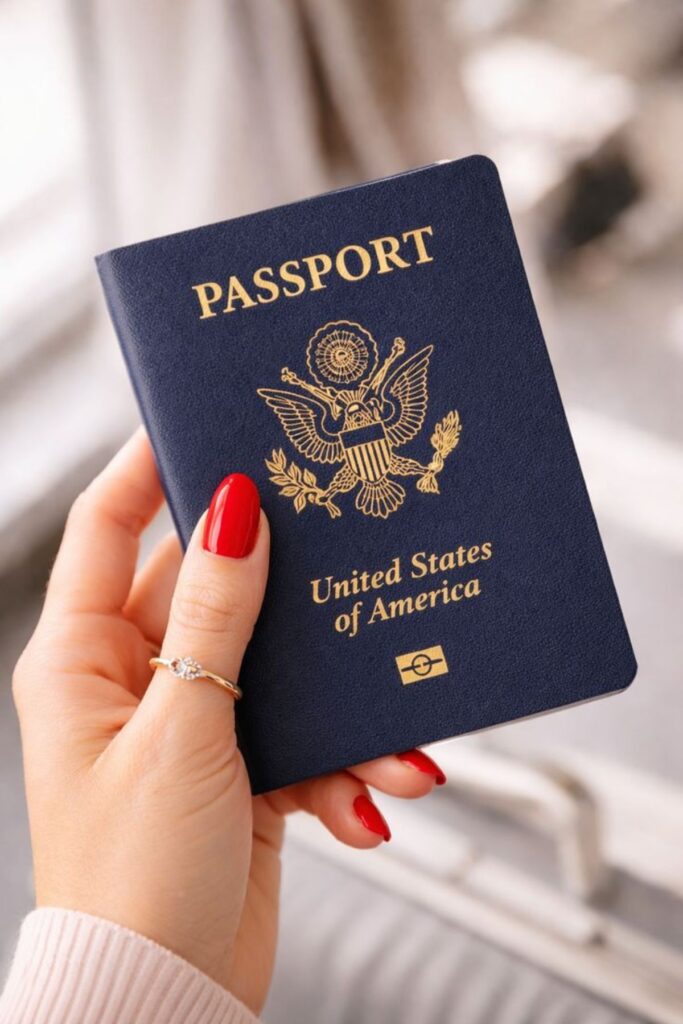
Travel requirements are easy to overlook when your attention is focused on wedding invitations, vendors, seating charts, and final payments.
Unfortunately, missing one important document can create a much bigger problem than forgetting a pair of sunglasses.
For international honeymoons, check passport requirements, visa rules, entry permits, and other documentation well before departure.
Requirements can vary depending on your destination and citizenship, so never assume another traveler’s experience applies to you.
Check your passport expiration date too because some destinations require additional validity after arrival.
A passport that is technically valid may still create problems if it does not meet the destination’s specific rules.
You should also research transportation requirements for your trip. Some destinations may require specific documents for rental cars, while others have rules concerning international driving permits.
Keep copies of important documents in secure locations, including your passport, reservations, insurance information, and emergency contacts.
Digital copies can provide another layer of convenience if you lose a physical document.
If you need a visa or travel authorization, check processing times before booking nonrefundable reservations. Some applications may take longer than expected, especially during busy travel periods.
Do not leave these checks until the week before your honeymoon. Last-minute paperwork can create unnecessary anxiety when you should be thinking about relaxing after your wedding.
It can also help to create a simple travel document checklist for both partners. Write down what you need, when you need it, and where each document will be stored.
Forgetting travel requirements is among the mistakes couples make when planning their honeymoon because one missing document can disrupt an otherwise wonderful trip.
6. Planning Every Minute Of The Trip

After spending months organizing a wedding, couples sometimes approach their honeymoon with the same planning energy.
Every morning gets an activity, every afternoon gets an excursion, and every evening gets another reservation.
At first, that schedule can look exciting because you want to experience everything your destination offers. After a few days, however, constantly watching the clock can become exhausting.
Your honeymoon is also a chance to slow down and enjoy being together. You may discover that an afternoon spent beside the pool feels better than rushing across town for another attraction.
Build your itinerary around a few experiences that genuinely matter to both of you. Then leave open spaces between those plans so you can rest or change your mind.
You should also account for travel fatigue, especially after a long international flight. The first day may not be the right time for a packed sightseeing schedule.
Give yourselves permission to sleep late, order room service, wander around without a plan, or spend an afternoon doing absolutely nothing. Those moments can become some of your favorite memories.
Planning free time also protects you from unexpected delays. A late flight or slow restaurant service will feel less stressful when you do not have another reservation waiting immediately afterward.
Think about your energy levels as well. An activity that sounds wonderful at home may feel completely different after several days of travel.
The mistakes couples make when planning their honeymoon often come from assuming more activities automatically mean more memories. In reality, rushing between experiences can make it harder to appreciate any of them.
7. Ignoring Travel Time Between Locations

Adding several destinations to a honeymoon can sound like the perfect way to see more places. The idea is especially tempting when two cities or resorts look close together on a map.
The problem is that changing locations takes more time than most couples expect. You have to pack, check out, reach the station or airport, travel, collect your belongings, check in again, and unpack.
Even a short transfer can consume several hours once everything is included. If flights or ferries are involved, the process can take much longer.
Before adding another destination, calculate the complete travel time instead of looking only at the distance. Check airport locations, transfer schedules, traffic patterns, and expected waiting periods.
You should also consider how much vacation time you have available. A two-week honeymoon can accommodate several stops more comfortably than a four-day getaway.
If your trip is short, staying in one location may give you more time to relax and actually enjoy the destination. You will also avoid repeatedly living out of suitcases.
For longer honeymoons, splitting your stay can create variety without becoming exhausting. You could spend several nights exploring a city before moving somewhere peaceful for the final part of the trip.
Think about your personalities too. Some couples love moving around and discovering new places, while others would rather unpack once and stay there.
Ignoring travel time is one of the mistakes couples make when planning their honeymoon because travel days can quietly consume a large portion of your vacation.
Before booking multiple hotels, ask yourself whether the extra destination is worth the time required to reach it. If the answer is yes, plan the transfer carefully and keep the surrounding schedule light.
A honeymoon should give you experiences, but it should also give you time to enjoy them. Spending half the vacation checking out of hotels may not match the relaxing trip you imagined.
8. Choosing A Hotel Based Only On Photos

Beautiful hotel photography can make almost any property look like paradise. Perfect lighting, neatly arranged beds, sparkling pools, and carefully photographed meals can create very high expectations.
Photos are helpful, but they should never be your only source of information. They rarely show traffic noise, construction, crowded public areas, inconvenient locations, or rooms that look less impressive in person.
Read recent guest reviews before making your reservation. Pay attention to repeated comments about cleanliness, service, noise, food, transportation, and the condition of the rooms.
Location deserves special attention because it can affect your entire honeymoon. A hotel may look close to attractions online while requiring expensive rides every time you want to leave.
Check a map and look at the surrounding area before booking. Consider restaurants, beaches, transportation, shops, and activities that matter to you.
You should also examine the room categories carefully. Two rooms at the same hotel can provide completely different experiences based on location, view, size, and amenities.
Read the cancellation policy too because plans can change after booking. A flexible reservation may cost slightly more but provide valuable peace of mind.
Look at the final price rather than the advertised nightly rate. Taxes, resort fees, parking, breakfast, and other charges can significantly change the total.
The mistakes couples make when planning their honeymoon often begin with trusting attractive photographs too much. A beautiful picture can show you what a hotel wants you to see, but reviews can reveal what staying there actually feels like.
Do your research before making the reservation, and choose a property that matches your real priorities. Your honeymoon deserves a hotel that looks good online and feels good in person.
9. Forgetting To Plan Around Your Energy Levels
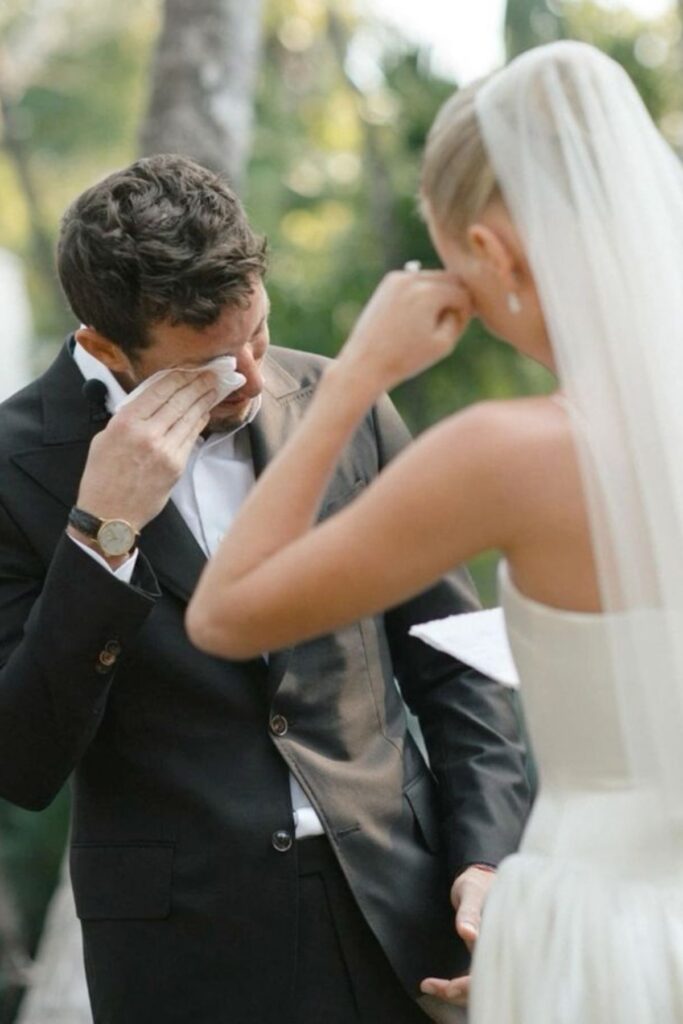
Wedding weekends can leave couples more exhausted than they expect.
After months of planning, late nights, emotional moments, dancing, traveling, and socializing, your body may ask for a serious timeout.
That makes your energy level an important part of honeymoon planning. A packed itinerary may sound fantastic before the wedding, but you might feel differently once you arrive.
Consider scheduling a slower first day if you are traveling immediately after the ceremony. Give yourselves time to sleep, eat, unpack, and settle into your surroundings.
You can always add activities later if you feel energetic. Adding something spontaneous is much easier than canceling a prepaid excursion because you are completely exhausted.
Think about your travel schedule too. An overnight flight followed by a full day of sightseeing can leave you running on caffeine and pure determination.
Jet lag can also affect your sleep and appetite, especially when traveling across several time zones. Give your bodies some time to adjust before planning demanding activities.
This does not mean your honeymoon needs to become a weeklong nap. It simply means balancing exciting plans with realistic recovery time.
You should also discuss energy preferences with your partner. One person may wake up ready for adventure while the other needs a slow breakfast and several cups of coffee.
The mistakes couples make when planning their honeymoon often involve forgetting that a honeymoon follows a wedding. You are not starting the trip as two perfectly rested travelers with unlimited energy.
Plan with your actual selves in mind, including the tired version that may appear after months of wedding preparation.
10. Forgetting To Leave Room For Unexpected Expenses

Even the most carefully planned honeymoon can produce expenses you never saw coming. A delayed flight, unexpected taxi ride, lost item, or sudden change of plans can affect your spending quickly.
That is why your honeymoon budget should include a cushion for surprises. You do not have to expect problems, but having extra money available can make them easier to handle.
Start by identifying expenses that could reasonably appear during the trip. Transportation changes, baggage fees, medical needs, weather-related changes, and last-minute meals are a few possibilities.
You should also leave room for spontaneous experiences. Perhaps you discover a restaurant that looks incredible or find an excursion you had never considered before.
If your entire budget is already committed, saying yes to something unexpected can become stressful. A little flexibility lets you enjoy opportunities without worrying about every dollar.
Keep emergency funds separate from your regular daily spending when possible. That way, you know exactly what money is available for ordinary expenses.
It can also help to carry more than one payment method. Keep backup cards in a secure place instead of carrying everything together.
Before traveling, check whether your credit cards charge foreign transaction fees if you are leaving the United States. Those small charges can accumulate during a longer trip.
The mistakes couples make when planning their honeymoon often involve budgeting only for the expenses they already know. Travel has a funny way of introducing costs that were never invited to the party.
Leaving a financial cushion can protect your experience without requiring you to spend more than necessary. If you return home with unused emergency money, that is actually a wonderful outcome.
The goal is simple: plan carefully, stay flexible, and give yourselves room to enjoy the trip. Your honeymoon should feel like a celebration of your marriage, rather than a test of how perfectly you can control every expense.



4 Comments